

Today is not a “Day X City Name” piece. I came across a story so fascinating that I’m going to break the travelogue mode and share what I learned today. It stays with my overall quest to share the lesser-told stories and places I find on my journey.
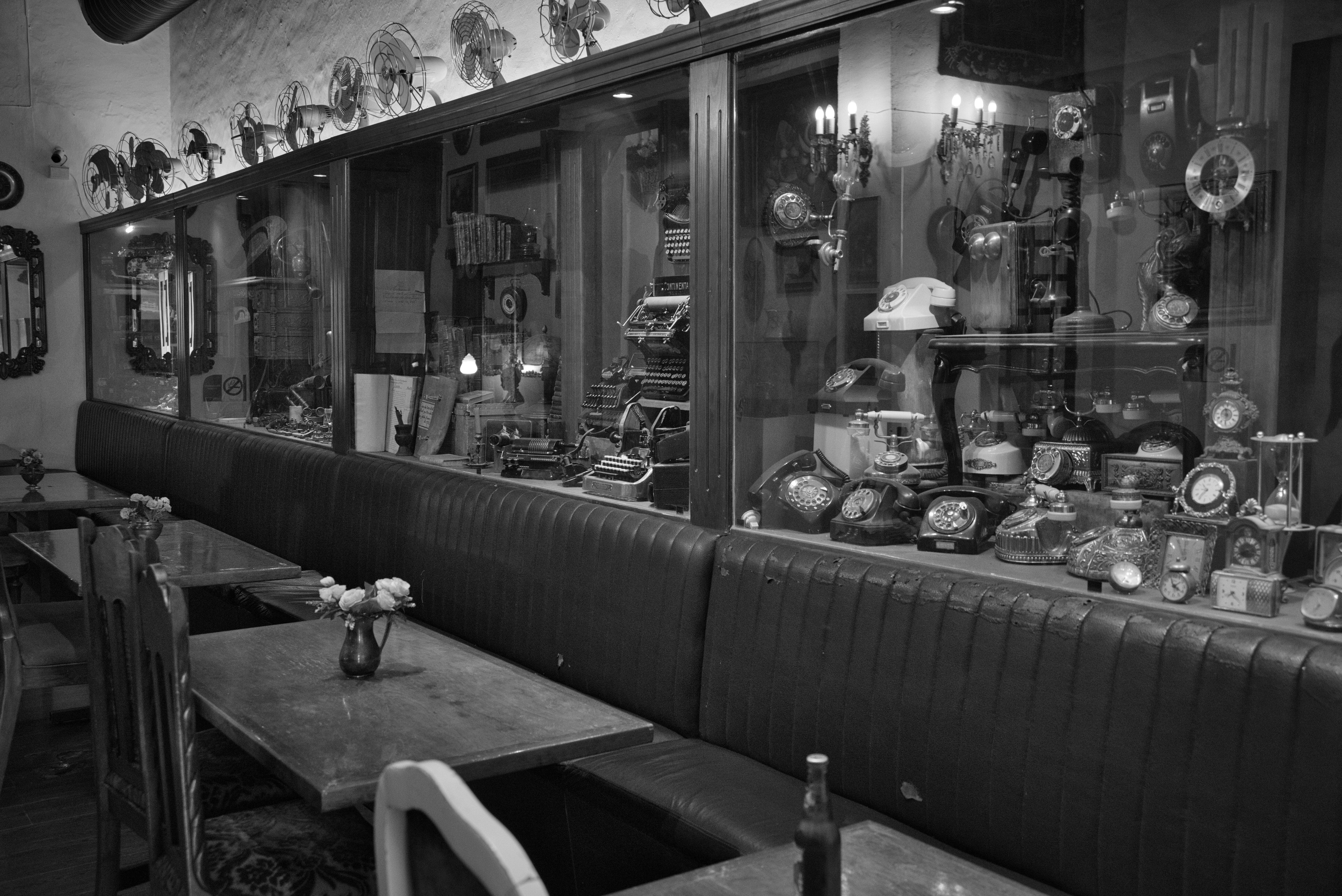
For lunch today, I wanted to try the best Caldillo duranguense (or caldillo durangueño), the signature beef-and-chile stew of the state of Durango. My culinary research led me to Restaurante Mendoza. It is a classic, old‑school spot in central, historic Durango. The place has a museum‑like setting and places special emphasis on Dolores del Río, who was born in this town.
So, who was this woman, and what was her life’s story? Telling it needs a bit of explanation. It’s fascinating.
Dolores del Río was born María de los Dolores Asúnsolo y López Negrete in 1904 in Victoria de Durango, into a wealthy, conservative family tied to the Porfirian elite. When the Mexican Revolution began, the family’s assets were wiped out; they fled Durango under threat and eventually resettled in Mexico City under the protection of relatives in political power.
In Mexico City, she attended elite schools, studied dance, and moved in artistic and high‑society circles that linked her to painters, intellectuals, and future filmmakers. A hospital charity performance in 1921 led to her marriage to Jaime Martínez del Río, a rich, cultivated young man whose surname she adopted professionally.
Hollywood and the “female Valentino.”
Economic trouble after a failed cotton venture led Dolores and Jaime to accept director Edwin Carewe’s invitation to Hollywood in 1925. Carewe aggressively marketed her as an aristocratic Mexican beauty, hyping her wardrobe, lineage, and money, and casting her as the “female equivalent of Rudolph Valentino,” a Latin lover for the silent era.
She quickly landed roles in silent films like “Joanna,” “Resurrection,” “Ramona,” “The Trail of ’98,” and “The Loves of Carmen,” becoming a romantic lead opposite white male stars at a time when Hollywood usually typecast non‑Anglo actors. Studios, fan magazines, and publicists leaned hard into her “exotic” image, but she was simultaneously sold as a universal ideal of beauty rather than as a niche ethnic star.
Lovers, husbands, and entanglements
She wasn’t strictly living a cloistered life off‑screen. Over the decades, Dolores had three major marriages and several high‑profile love affairs that overlapped with her career peaks.
• Jaime Martínez del Río – Her first husband, a young aristocrat and would‑be writer, married her in 1921 and took her on an extended European honeymoon. Financial collapse and the stress of their Hollywood gamble destroyed the marriage; she filed for divorce in the late 1920s, and he died not long after in Europe.
• Cedric Gibbons – In 1930, she married MGM art director Cedric Gibbons, one of the most powerful visual stylists in Hollywood and often credited as the man behind the Oscar statuette’s design. They built a glamorous Art Deco home and played the golden couple in studio circles, but the marriage frayed as her Hollywood career stumbled in the late 1930s.
• Orson Welles – During that breakdown, she began an affair with Orson Welles, already a comet in American culture and busy making “Citizen Kane.” Welles’s daughter later described Dolores as the great love of his life, and Welles was reportedly obsessed with her. She followed him into radio, theater, and film projects, including “Journey into Fear.” Still, his self‑immolating war with William Randolph Hearst and his chaotic South American trip blew back on her. When stories of Welles’s Rio excesses reached her, she ended the relationship bluntly by telegram and never received an answer.
• Lewis Riley – After returning to Mexico and rebuilding her career, she met American businessman Lewis Riley in Acapulco in 1949. They married in 1959 after a long courtship, and he remained her husband until her death, backing her theatrical ventures and handling production work on many of her stage projects.
Along the way, she was surrounded by admirers—directors like John Ford and Francesco Rosi, writers like George Bernard Shaw, and painters such as Diego Rivera, who all treated her as much a muse as an actress.
The legend of her beauty
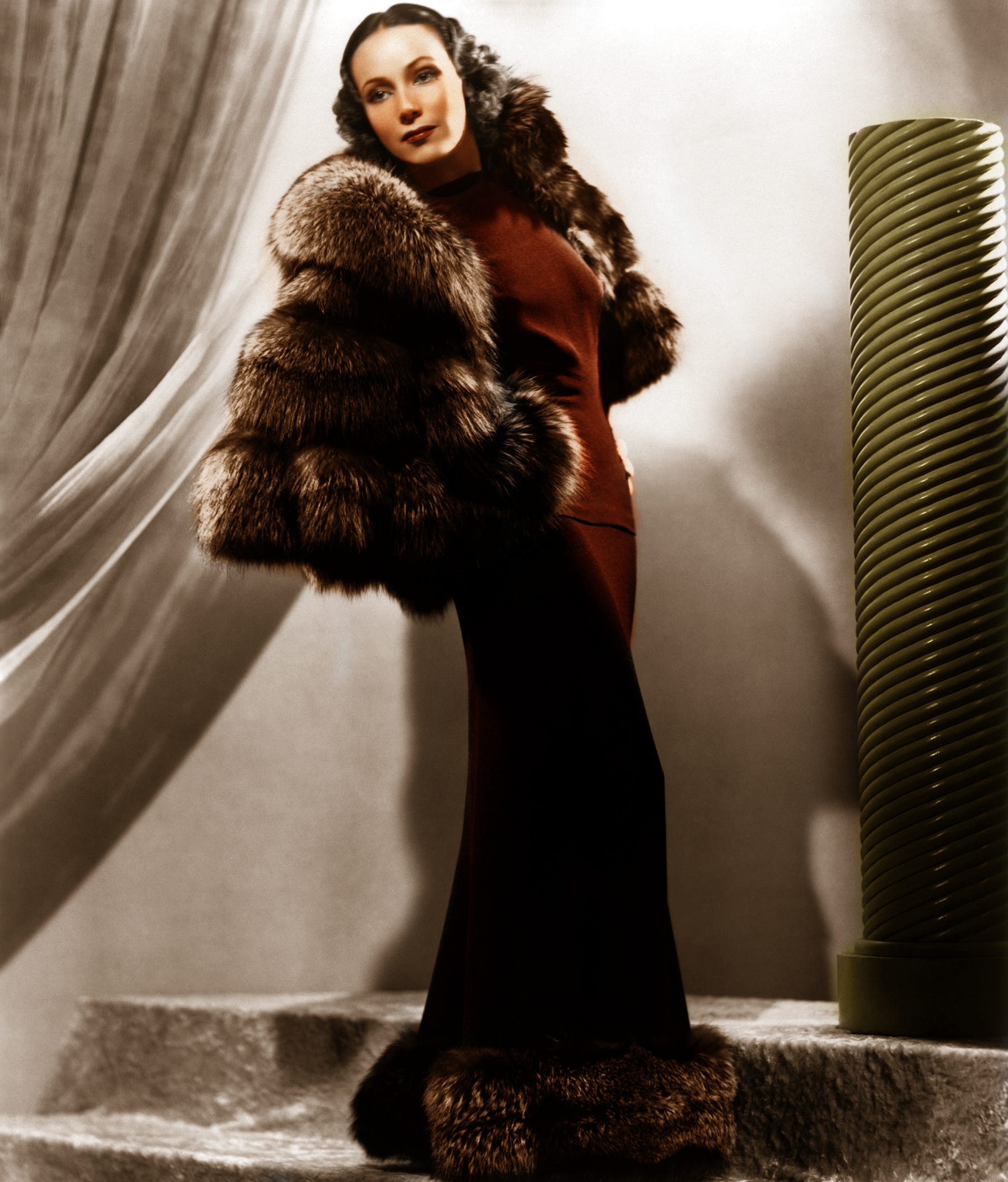
Dolores del Río wasn’t just “pretty” by studio standards; she was treated as a sort of Platonic ideal of female beauty in the 1920s and 30s.
• Contemporary film magazines and critics dubbed her “the female Valentino” and “Latin lover” counterpart, yet emphasized her elegance and restraint over vamp clichés.
• Marlene Dietrich reportedly called her “the most beautiful woman in Hollywood,” a judgment you could argue Dietrich was qualified to make.
• Bernard Shaw supposedly quipped that the two most beautiful things in the world were “the Taj Mahal and Dolores del Río.”
• Diego Rivera raved that she was “the most beautiful, the most gorgeous of the West, of the East, of the North, and of the South,” adding that his and millions of other people’s obsession with her couldn’t be wrong.
Visually, she helped define the 1930s “Deco” face: prominent cheekbones, heavy but perfectly shaped brows, full dark lips, and sleek hair that favored her angular bone structure rather than softening it. That look influenced other stars, with some critics suggesting even Joan Crawford’s sculpted image took cues from del Río. She was the first woman to wear a two-piece swimsuit, adding to her allure.
Career shifts and redevelopment
Sound films cut down many silent stars, but Dolores adapted and remained bankable for a while. She produced notable talkies like “Bird of Paradise,” “Flying Down to Rio,” and “Wonder Bar,” and studios attempted to position her as a rival to Garbo and Dietrich. But industry racism, the Great Depression, and typecasting into hyper‑sexualized “exotic” roles narrowed her options.
By the early 1940s, she was seen in the U.S. as “box‑office poison,” lumped together with other glamorous but allegedly unprofitable stars, and her relationship with Welles, plus her friendships with left‑leaning artists, made her politically suspect during the building paranoia that would become
McCarthyism
Her answer was to go home and become something bigger. She continued to work in Mexican and European films, then reappeared periodically in U.S. productions like “Flaming Star” with Elvis Presley and “Cheyenne Autumn” with John Ford in the 1960s. She also moved heavily into theater, touring plays in Mexico, the U.S., and Argentina, and later served on festival juries at Cannes and San Sebastián.
Late‑life work
From the 1950s on, she also became an important cultural organizer and philanthropist—helping to found the Acapulco film review, a group to protect Mexico’s artistic heritage, a daycare center for actors’ children, and serving as a spokesperson for UNICEF in Latin America. Even as her health declined, she stayed involved in festivals and public events, and was honored for both her artistic career and her role as a public ambassador.
By the time she died in 1983, Dolores del Río had gone from Durango heiress to Hollywood’s first Mexican superstar, to Mexican screen diva, to respected elder stateswoman of film.
Upon my return home, I shared this story with local Mexican friends, and they explained that many girls born in this time were named after this famous Dolores from Durango.