

Today started with heavy dew and fog. The rainy season lasted longer and produced more precipitation here than on my last trip to Northern Mexico.
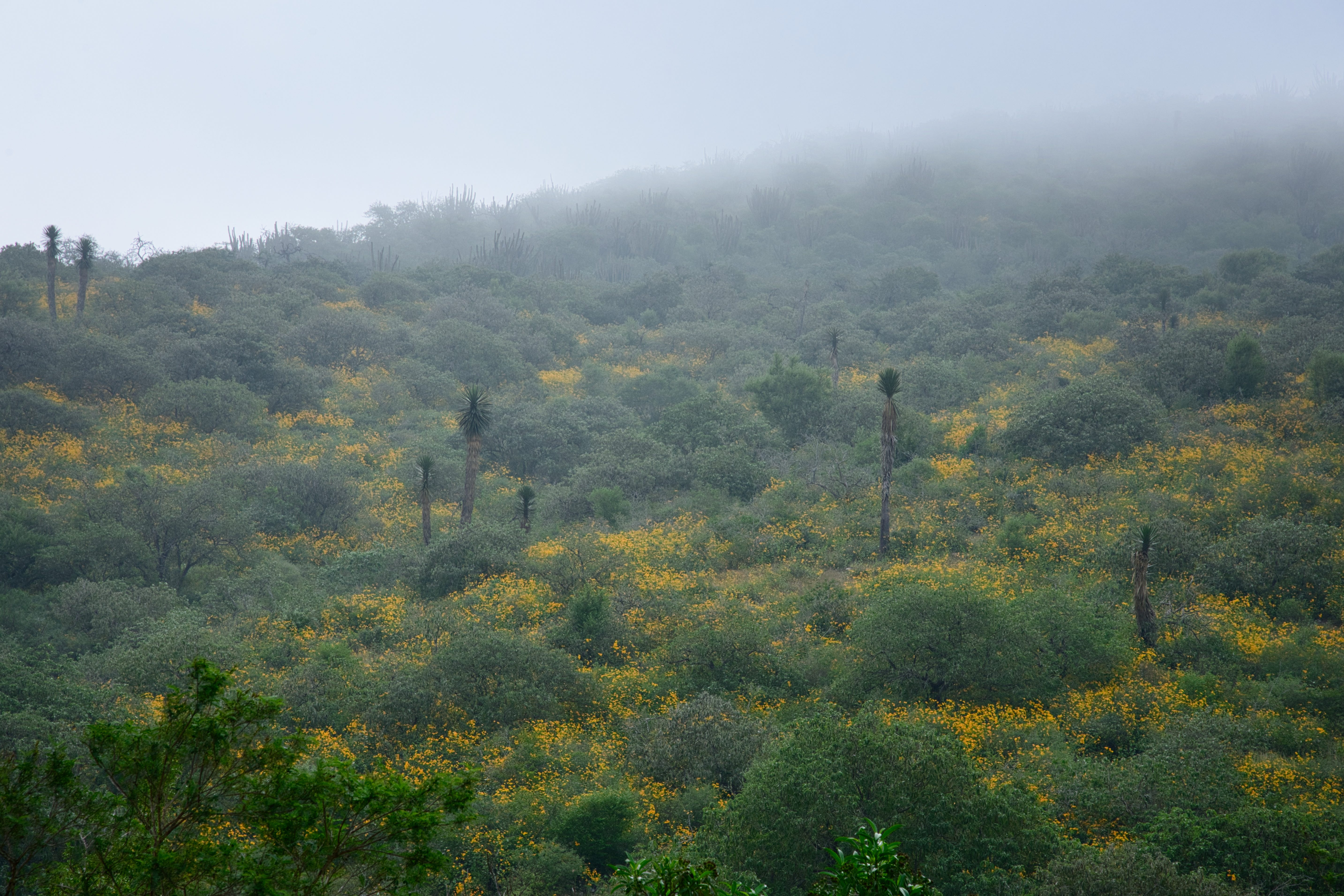
I was riding the results, and it’s been outstandingly green.
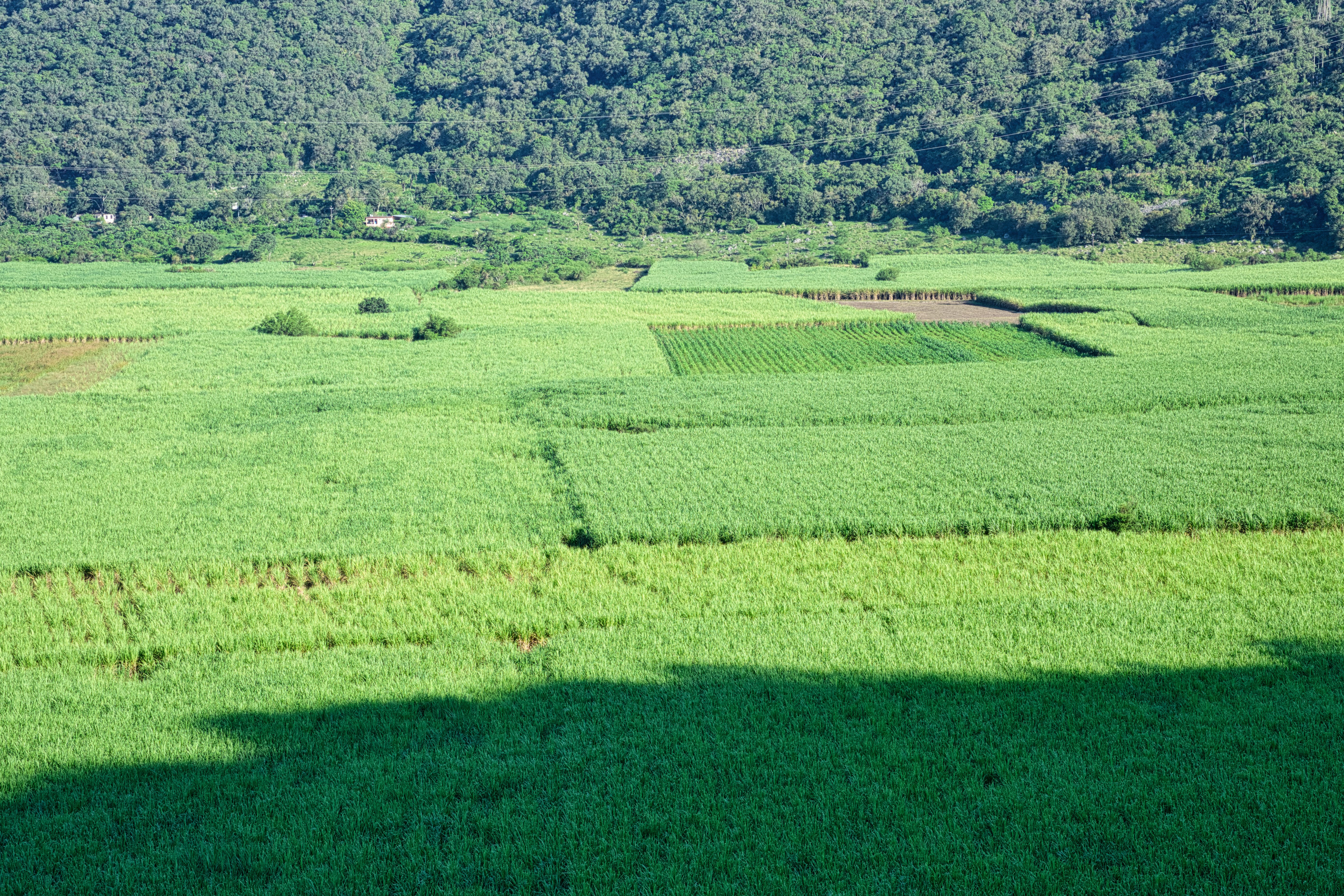
I had it in my head that this ride would be pretty much the same scenery until reaching the coast, but my head got it wrong. In Rioverde it’s dry country scrub, except for the irrigated fields. But then, climbing into the limestone Sierra Madre Oriental, it becomes dry deciduous forest with wide valleys.
Against my better judgment, I decided to ride into Tamasopo on a Sunday to see the area’s outdoor recreation attractions, Puente de Dios and Cascadas de Tamasopo. Both are major Huasteca draws. Upon arriving, I saw the honking tour buses and throngs of people in town and ditched that ill-considered plan.
Instead, I had breakfast of what else but enchiladas Huasteca and cecina (thinly sliced, slightly-dried beef), two of the most popular regional dishes.
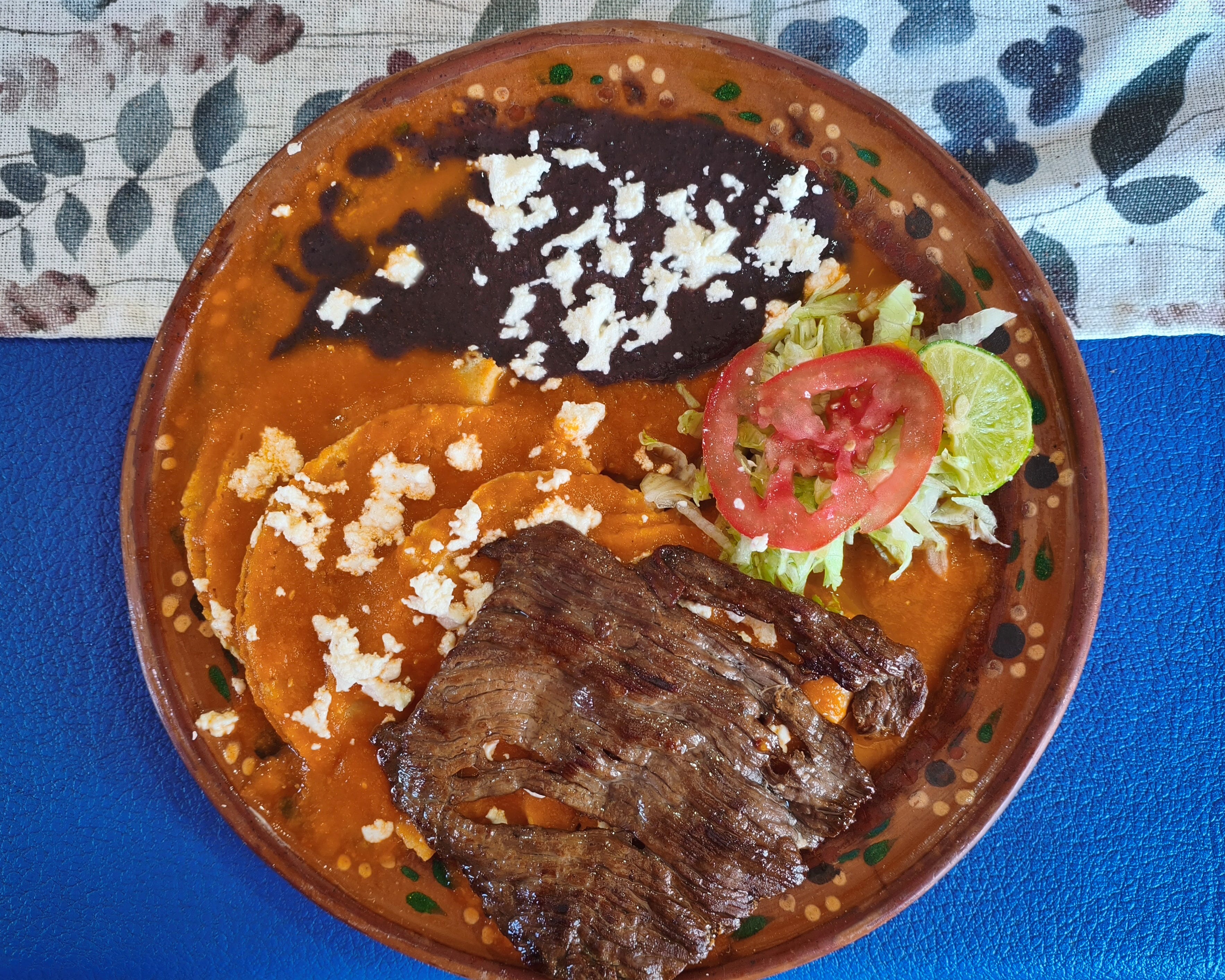
When I walked into the fully packed Casa Frida, every last man, woman, and child craned their necks to see a gringo in full road-riding gear and an oversized camera enter. After adjusting to the jarring sight, everyone resumed eating and now just stealing occasional glances.
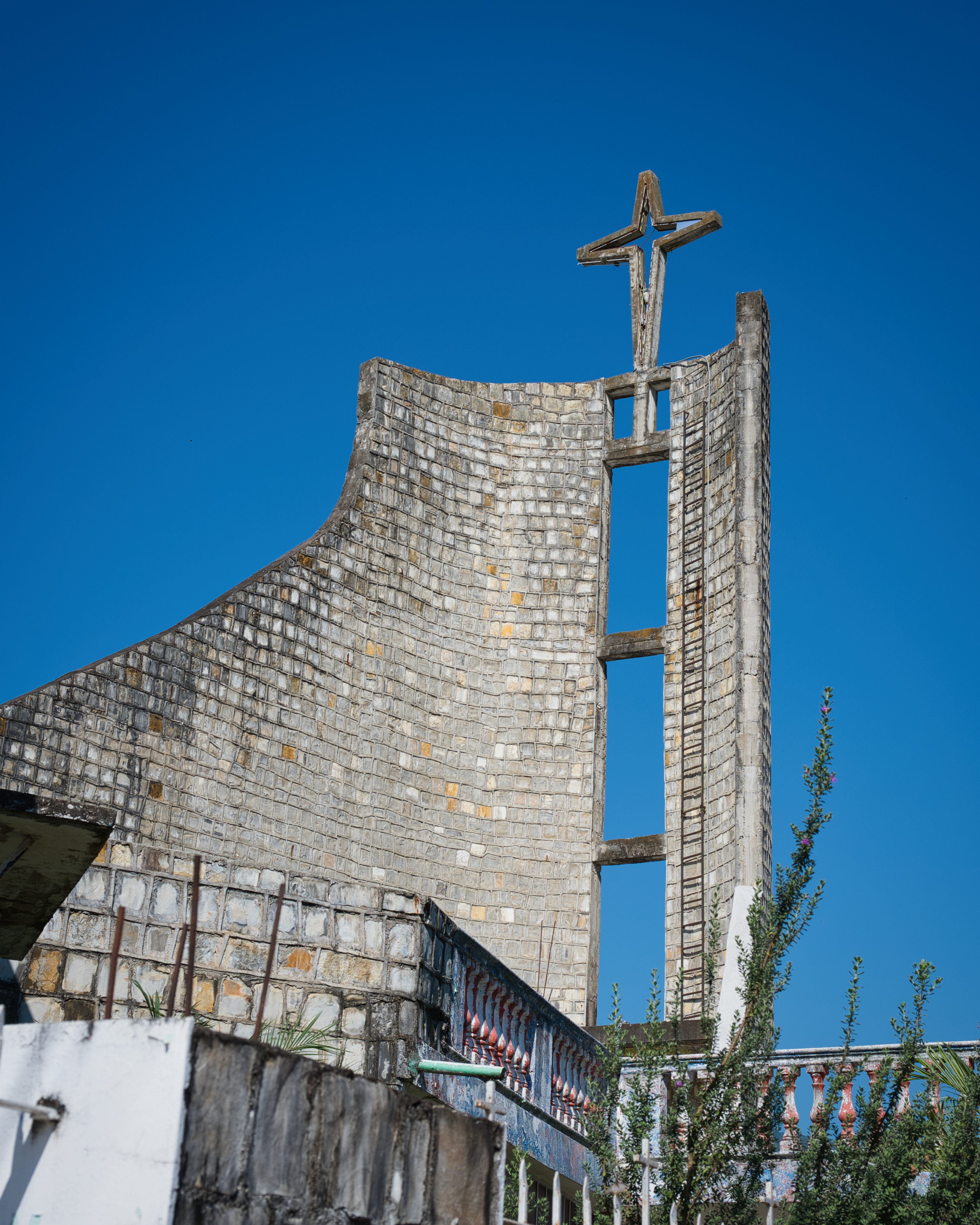
Tamasopo, while heavily visited for outdoor recreation, the core remains a bustling farming village of modest means. The church is low-budget cinder blocks, but I saw one full mass of attendees empty out and the second filling to Standing Room Only.
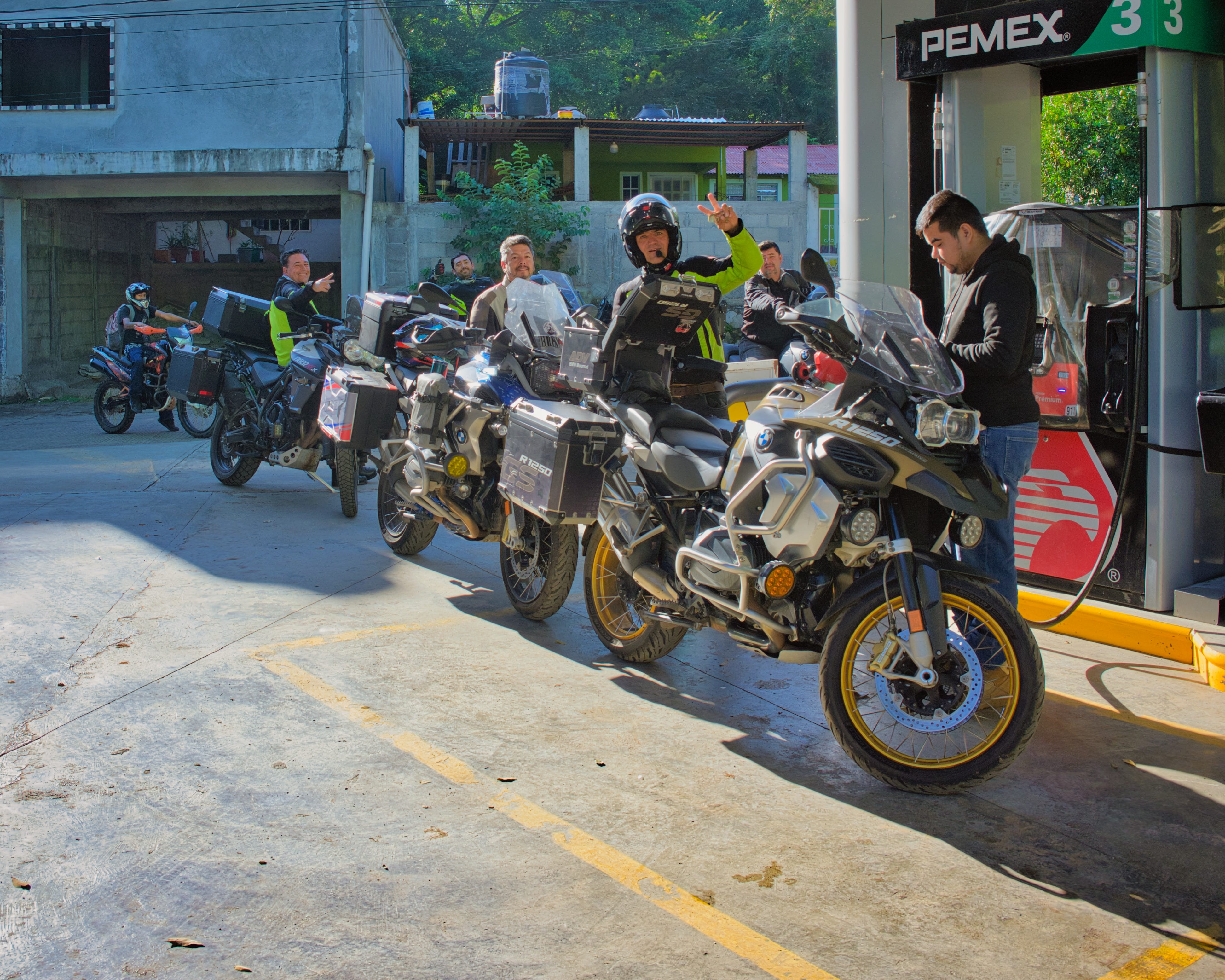
Before I left town, I needed gas. I found the smallest Pemex station I’ve ever seen, hidden down a steep street, not visible from the highway. Several sleeping dogs and a young female attendant. She was quite nervous when I asked for rojo (premium) and to fill it to the top (lleno). Filling a motorcycle is a two-person job: she worked the nozzle, and we both stared down the filler neck, trying to agree on exactly where full was. You need every drop since your range is much less than a car, and don’t you dare get one drop on the paint.
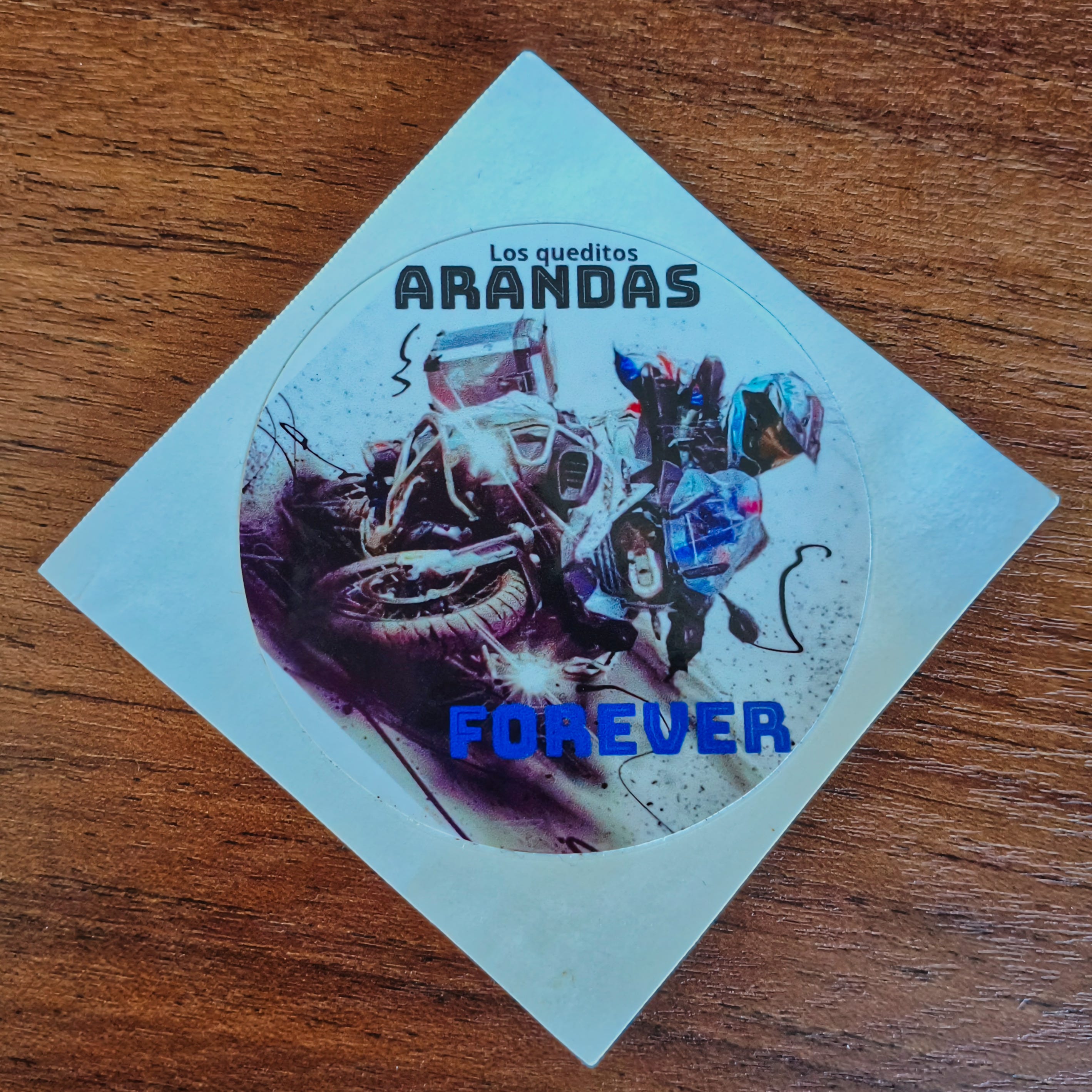
We struggled through getting the bike filled, but then the card reader wouldn’t work, so I paid cash to turn around from that dead end. Now a dozen BMW riders rolled in to fill up. I took a couple of photos of the guys from Arandas, Jalisco, and exchanged some stickers, and got the hell outta there.
That was going to be an hour to get all those bikes fueled.
I discovered a sinuous mountain ridge road, and as I snaked down, the forest changed as I approached Ciudad Valle, shifting from tropical deciduous forest to semi-evergreen forest. There were vines everywhere and big-leafed trees. The canopy made the road look like a green tunnel. Special riding.
I had to get back on the cuota (freeway) for the last leg into Tampico. It started pristine and fast, with little traffic. Then it dropped to two lanes with wide shoulders. And the road surface was deteriorating. It was about that time that there were no more toll booths.
And I noticed that there was now lots of garbage alongside the road. And I got to see it closer as the road narrowed further, with the shoulders disappearing. Then began the undulating surface. The road wasn’t broken up. It was just moving up, down, up, down, ad nauseum.
In 1900, some oilmen found oil seeping out of the jungle, and a refinery was built in Ébano in 1904. Exactly the place I was riding. This oil was difficult to process into regular fuel oil. Still, it worked well for making asphalt. So, they formed an asphalt paving company that used their product all over Mexico and the U.S., and here I was experiencing one of the worst asphalt roads in Mexico.
In 1915, Pancho Villa’s forces attacked El Ébano for 10 weeks on the way to Tampico, trying to take control of the industry. Served them right for building such a shitty road.
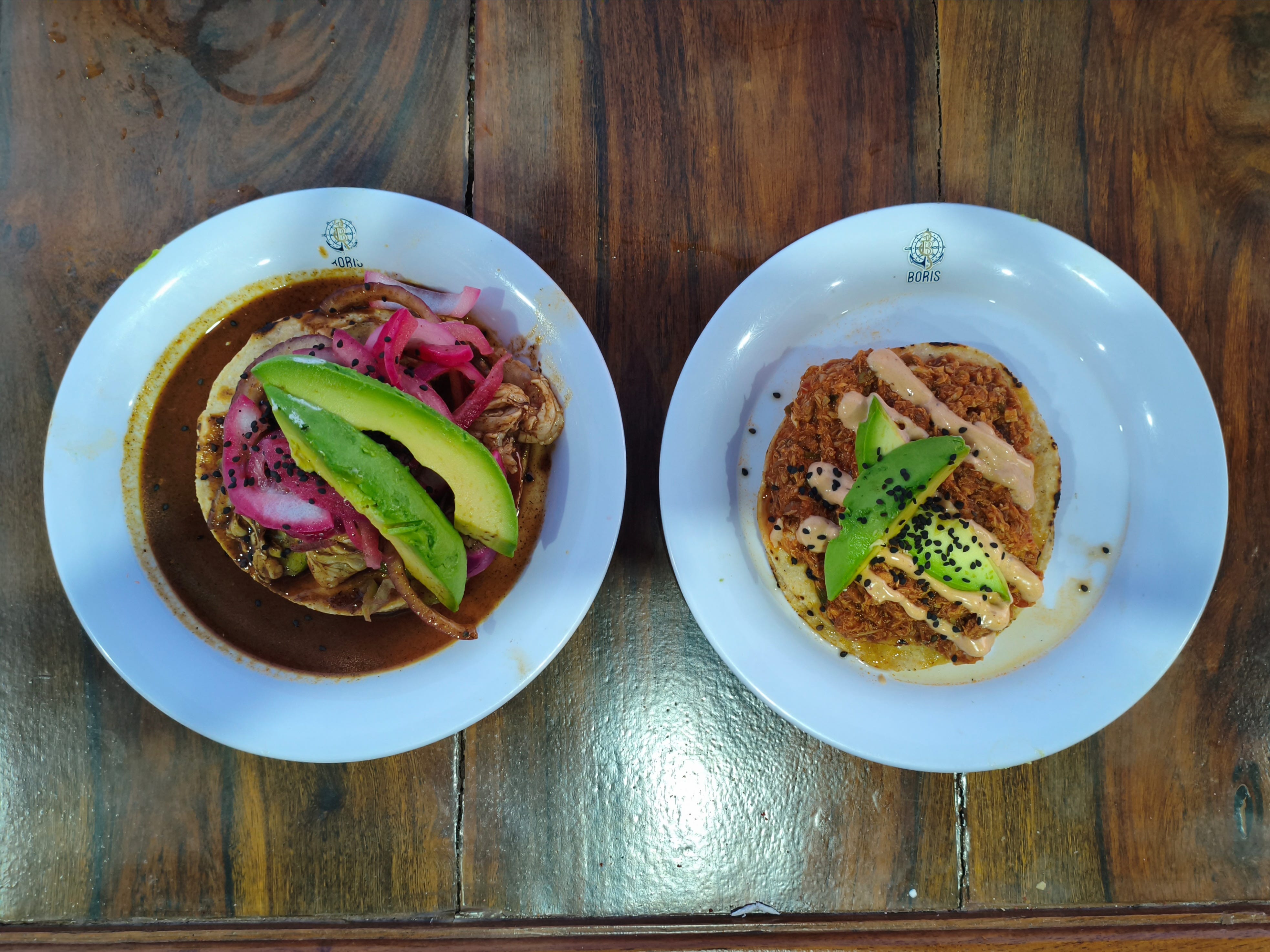
I came into Tampico as the sun left. I was ravenous, but lucky. I was staying in a house alongside the banks of the Río Pánuco (see note below), with a top-notch seafood restaurant a few steps down the road. I had my first Tampico seafood dinner of local specialties: Jaiba (crab) a la Frank empanada, a tostada Salpicón, and a tostada Aguachile (raw shrimp in lime and an overdose of fiery chiles), plus two damned cold beers. A great culinary introduction.
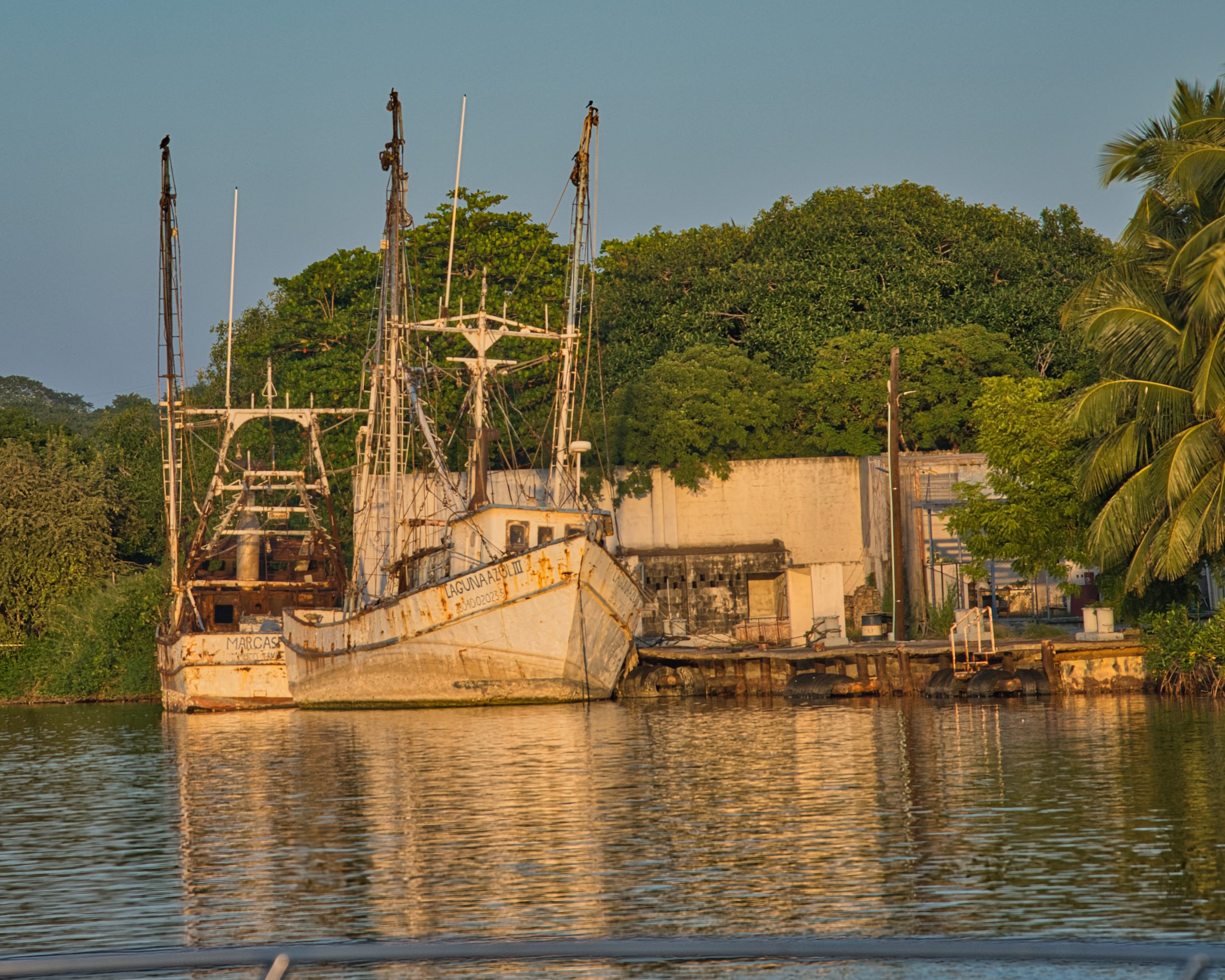
And a great view of a boat in ruins bathed in yellow by the setting sun
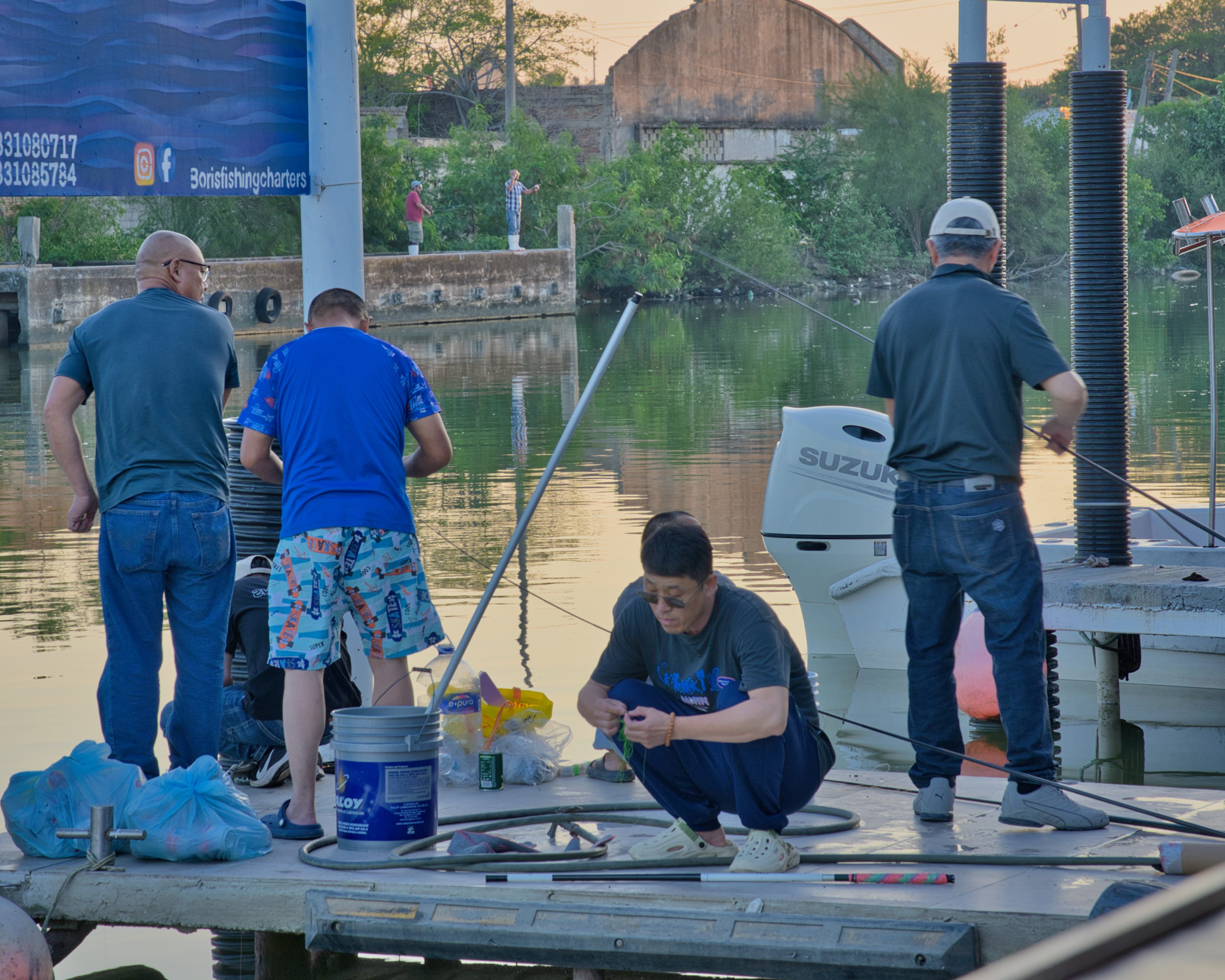
I was entertained by a group of Asian fishermen who had stationed themselves on the dock next to the restaurant. Each had a unique method, but they all knew what they were doing. They fished with great earnestness, earning them a bucketful of fish by the time I left. I silently dubbed them The Snook Club.
Late into the night, I walked to Centro, taking photos of the many decrepit buildings in this port city. I wasn’t looking for them, but that’s what was along the way.
Tomorrow: Really discovering the place and its oily past.
NOTE: The Río Pánuco has fascinated me ever since I stood at Presa Zimapán, a monster of a dam on the border between Hidalgo and Querétaro. That’s where the Tula and San Juan rivers meet and become the Moctezuma. The Moctezuma then runs northeast until it meets the Tampaón, and the pair become the Pánuco, which finally empties into the Gulf between Tampico and Ciudad Madero, on the line between Tamaulipas and Veracruz. Curious, I traced the headwaters back, and they lead way back to the Valley of Mexico. In other words, the river that ends in Tampico starts in Mexico City.
More Photos
Day Two: Rioverde, San Luis Potosí

A heavenly fall day in Rioverde, with some writing and editing in the hotel courtyard under the olive trees.
So, are you most enjoying the food or the people? Great riding and great writing. Stay safe amigo.