

Casa Madero Winery
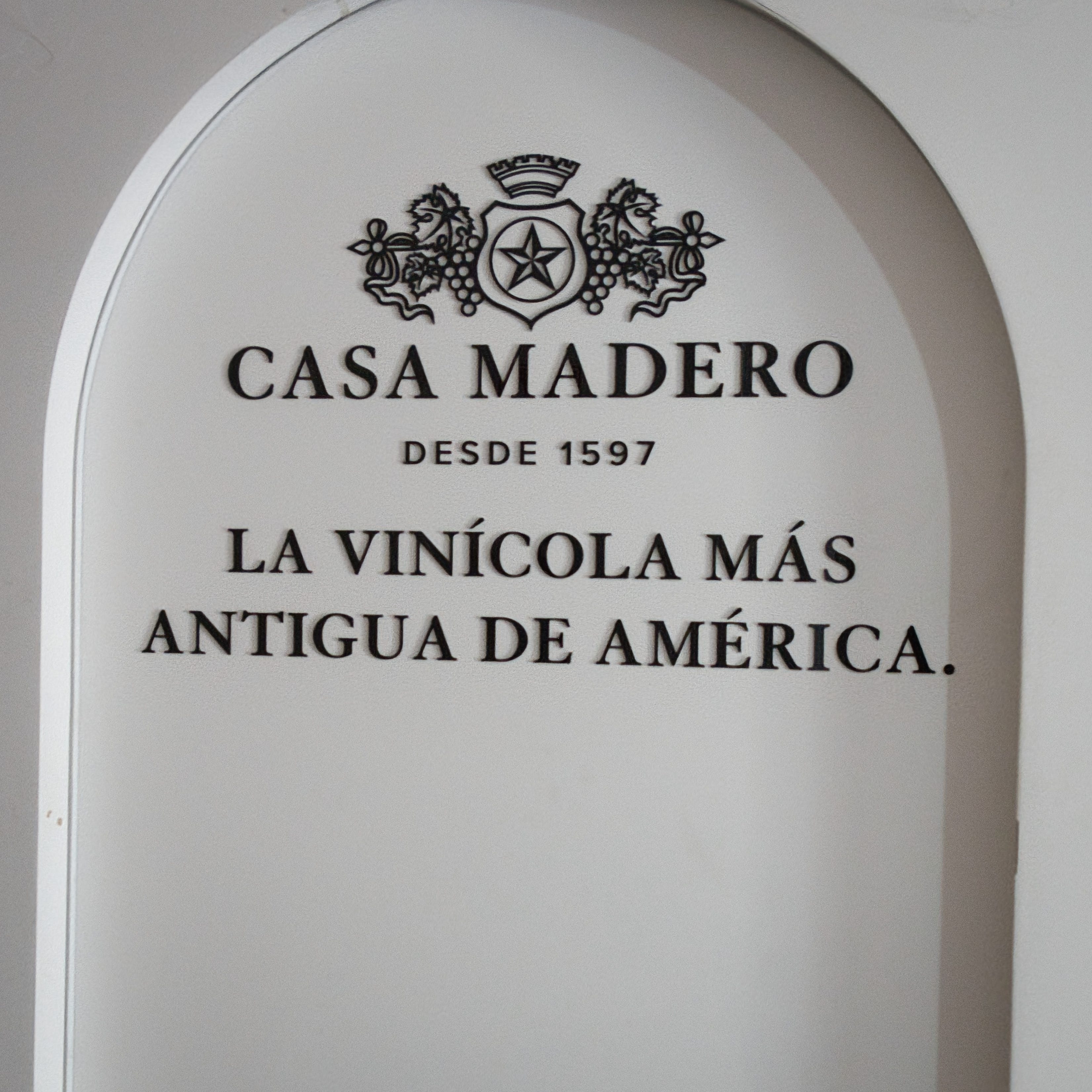
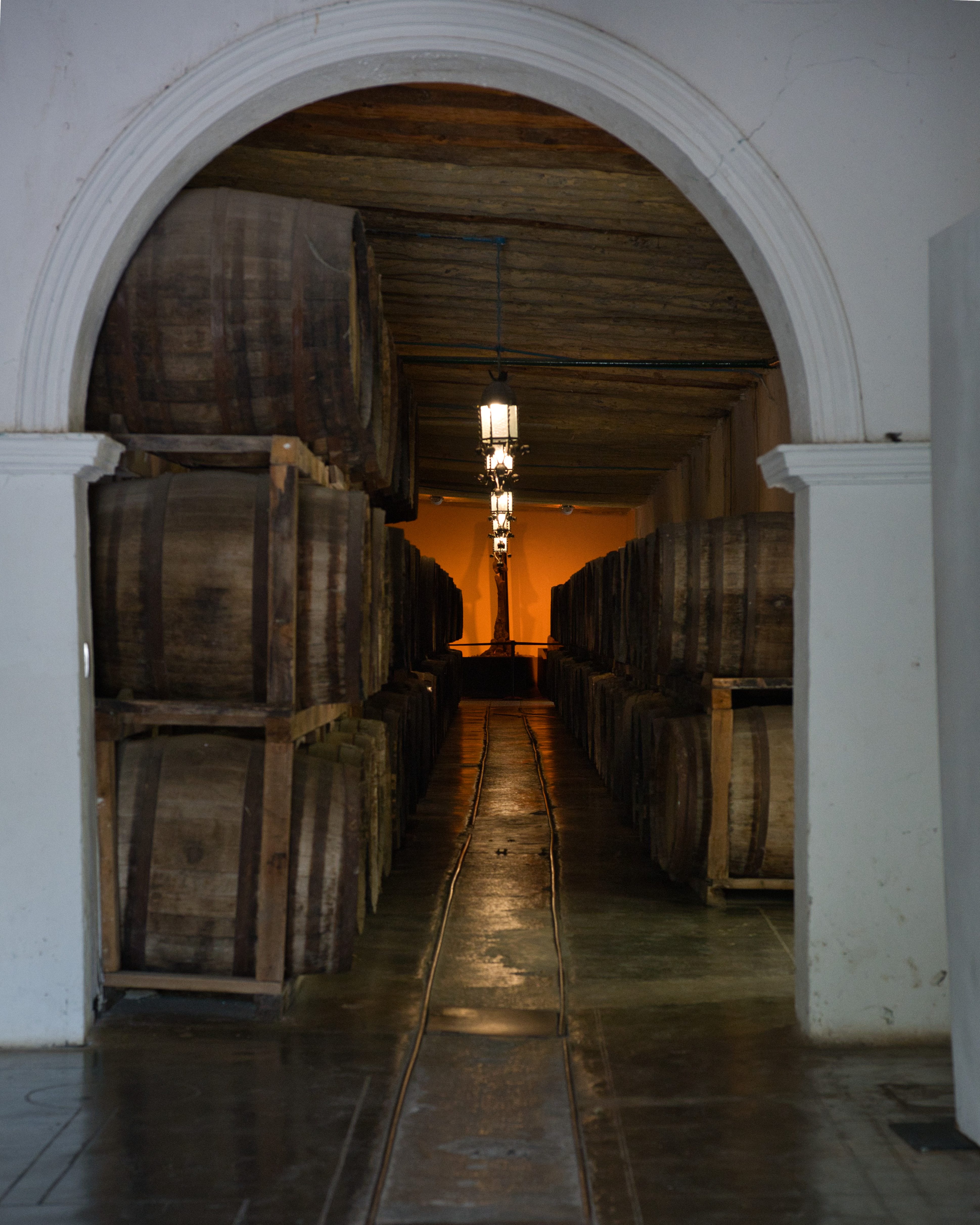
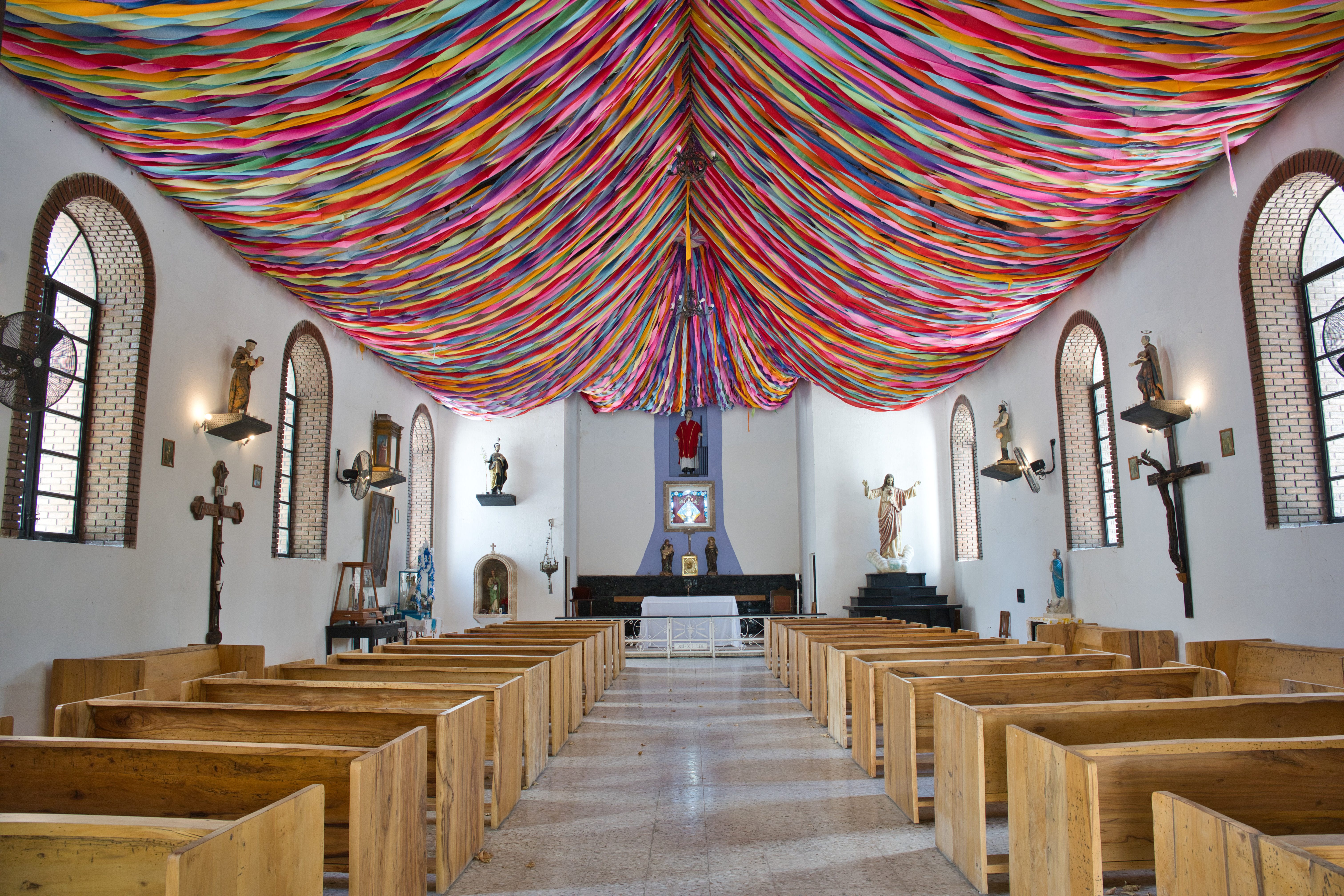
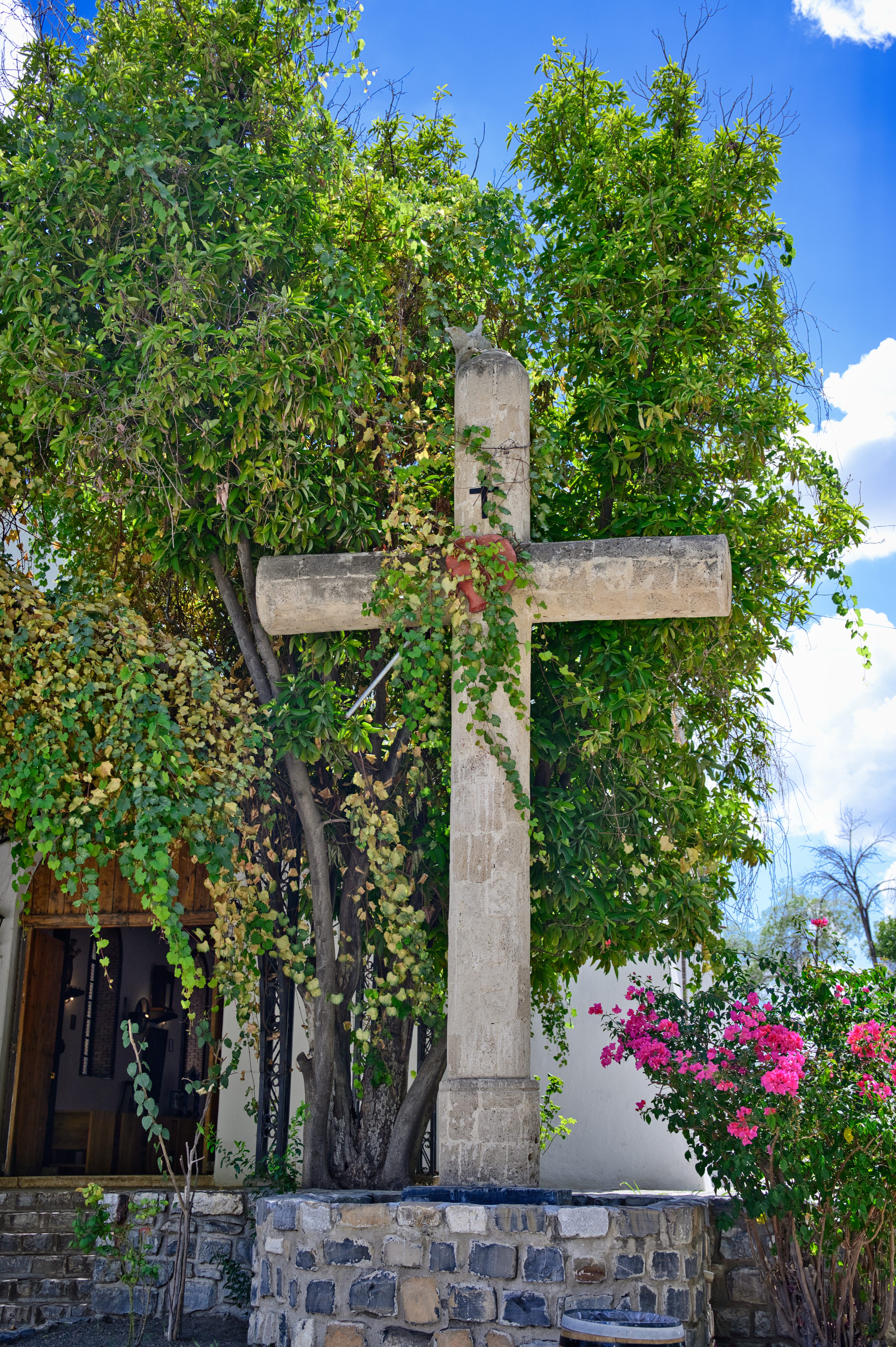
Parras was a short visit, but I made time on the way out to visit the iconic Casa Madero Winery. I was found and asked to leave each publicly accessible area (the places without locks): the tasting room, production area, and cellar, because I didn’t have a ticket for anything. I just act innocent and apologize after I get my hurried shot in. I think I was only slightly abhorrent to the paying masses. I bowed my head, lifted my left hand, hoping all was forgiven.
When I got home and reviewed my articles on Leg One of my journey, I realized I sometimes gave pedantic lectures and spewed facts. I was a walking Wikipedia. But for this article, I am going to be the Leg One me as I unearthed some fascinating stuff about this place.
Most of the common knowledge of this business comes from the winery itself, and as such, it reads as a well-crafted, perfect “story”.
It is true that on August 19, 1597, a merced (land grant) signed by the governor to Lorenzo García was well documented. The grant did not specify grape growing. Wild grapes grew on the land, but they were later replaced with the Mission grape, a variety introduced from Spain.
The modern company Casa Madero was legally formed in May 1946.
Researcher Gildardo Contreras Palacios describes San Lorenzo and Urdiñola’s estates together, which would eventually be called Casa Madero, as a regionally important slaveholding center. A smallpox epidemic killed estate workers in 1609–10. None of this appears in the winery’s official story.
The hacienda changed hands 13 times between 1597 and 1893. And throughout all of these changes, they remained in constant wine production? The winery’s own timelines show that the estate spent the mid-20th century mainly as a brandy house. So, how did that magic happen
The Madero fortune got its big boost running Confederate cotton through Mexico during the U.S. Civil War, around the Union blockade
The winery claims more than 1,400 international competition medals. From what I’ve read, Casa Madero wines get better-than-average reviews, more like a reliable, good-value, well-made Mexican wine.
Currently, the water war is the big story. Local ejidos claim they have water flow rights guaranteed by law and have accused the winery of drastically reducing the flow.
In May 2022, a group with machetes and shovels occupied the irrigation network for about 24 hours, diverted all of the water, and forced a temporary closure of the winery.
In January–February 2025, the occupation resumed. A fire hit the winery, and authorities linked it to earlier threats. Casa Madero claimed the Parras fire department had instructions not to help.
The winery now employs hooded, armed guards to protect its interests against the ejidos.
End of the face barf, but I couldn’t find any place that published the full Casa Madero story instead of regurgitating the winery’s marketing fluff.
Riding through the Chihuahuan Desert
I left the dramatic exposé on Casa Madero behind. Now it was a three-hour immersion ride into the Chihuahuan Desert, often described as North America’s largest.
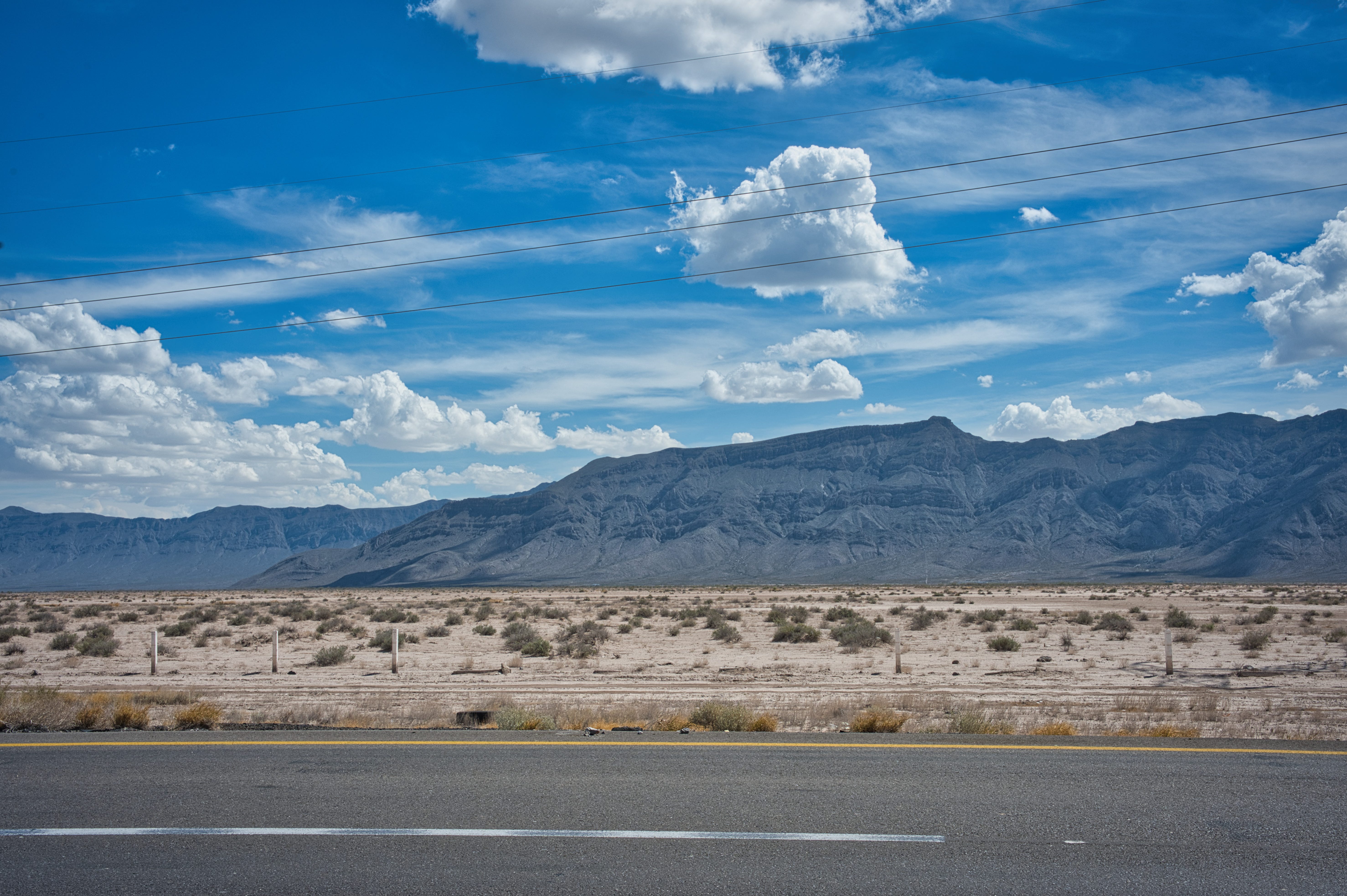
It’s categorized as a grassland desert. It feels unbounded. But it is not featureless: there are occasional mesas, jagged ranges, and arroyos, and a very occasional cow.
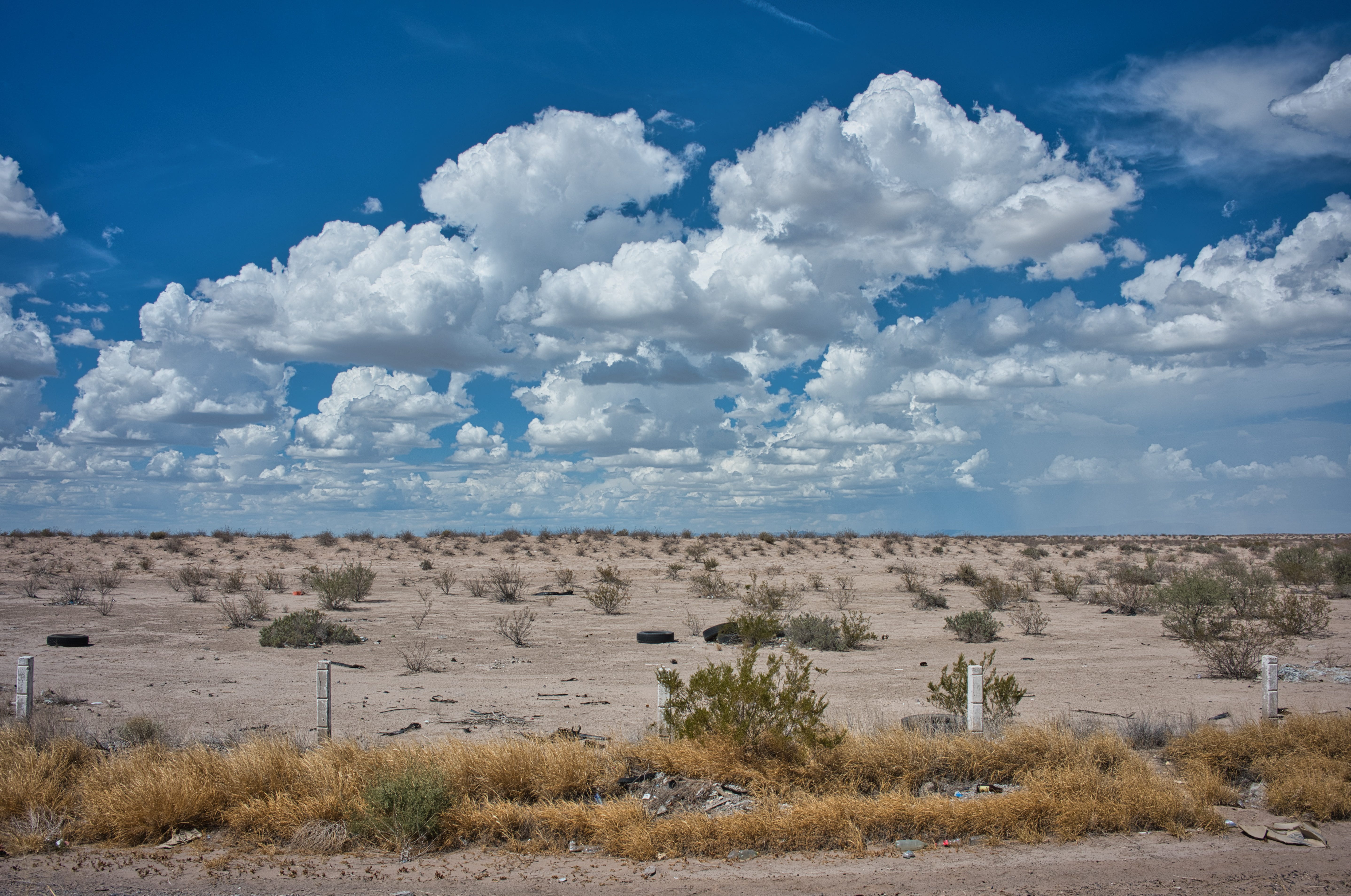
More on this place in my next post.
Torreón, a city and a story
Coming in on a backroad to Torreón, I came across an accident, and traffic was halted. My phone sat on top of my frickin-fancy-expensive tank bag, where it promptly overheated and stopped working, well-baked by the intense sun. So, my phone was cooked, I was wilted, and now I didn’t have a way to get to my hotel. I took a quick detour to OXXO, where we cooled everything down. A slight delay, but it was made up for by an icy lime paleta (popsicle).
I had got back on the road when a truck ahead of me suddenly swerved. No big deal, I wasn’t that close to him. But he had swerved to avoid a 9” long piece of 4x4 wood. That would have been a real big deal had I been in that lane.
I had my story on Torreón. It had been sitting in a dark corner of my brain as I had nearly visited it on Leg One and had done my research. It was going to be a real roast. And I was revved up because of what I had just encountered,
The place has no colonial anything. Its summers are brutal; the landscape is industrial sprawl, and what little groundwater there is contains arsenic from the lead smelter, the hot dairy farm cowshit odors. I could go on, but I was hungry, and the vitriol could wait until after dinner.
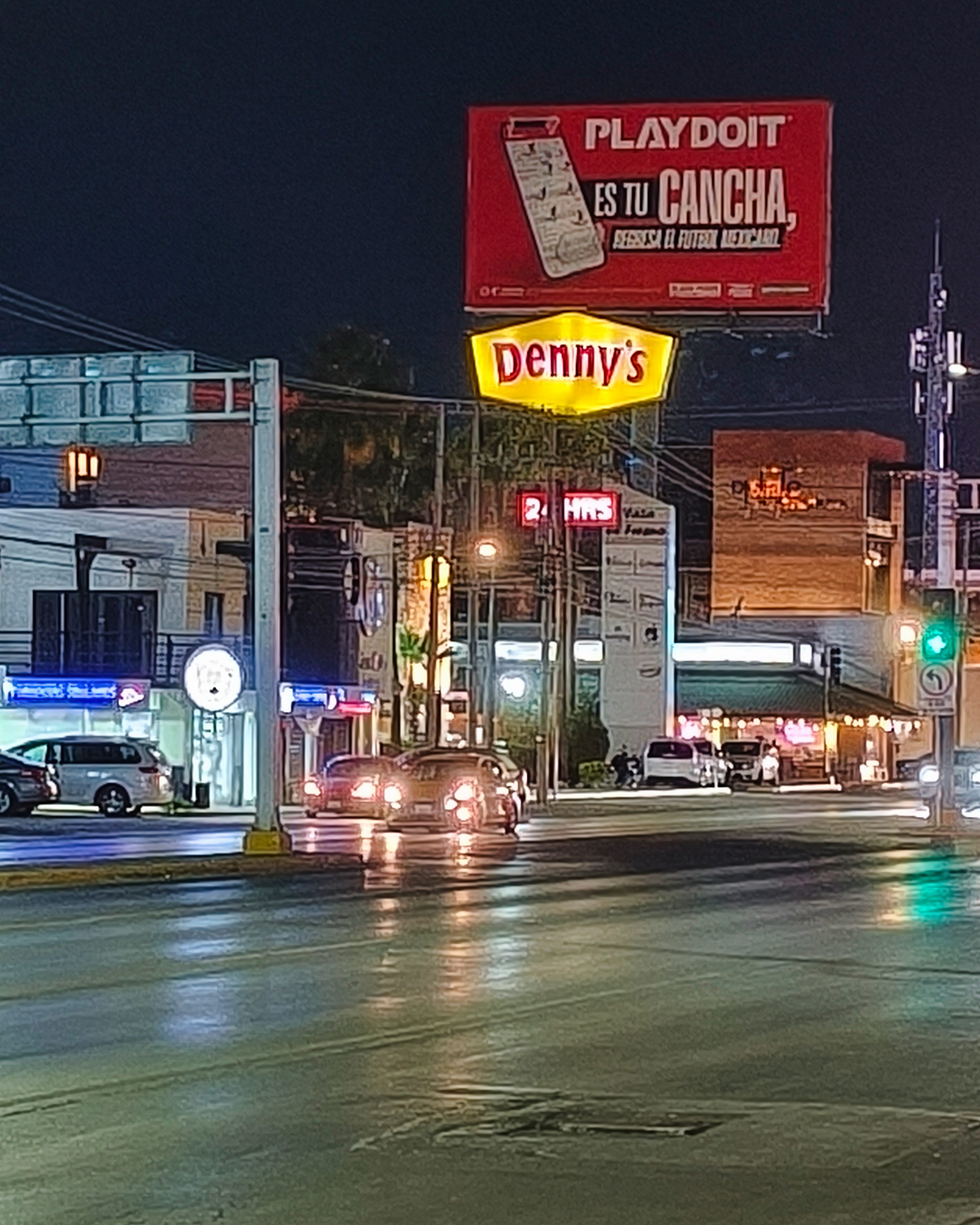
Charly Beach was across the street, and it had great reviews for its superb seafood. During my short walk, I must have seen a dozen chain restaurants, most American-based
.
My server was David. He was a young guy who spoke admirable English. He treated me like I was special. He brought me free food. Each time he came to the table, he was excited to continue our conversation. On the surface, we had little in common. Ignore that, it’s wrong.
I handed him my postcard, and he took it back to the waiter’stations where he looked up my posts. He came back to my table, totally animated. He said his dream was to ride throughout Mexico and the United States. He gushed with admiration for my plan.
When I told him that I thought that he would one day likely manage the restaurant, he gave me the gentle look reserved for people who have announced a discovery already known to everyone else. “I’m already the capitán,” he said.
But what he really wanted to do in life was what I was doing. He bid me goodbye by telling me to have a great night, a great adventure, and a great rest of my life.
I was going to trash the city of Torreón and, along with it, the Torreonenses too. After all, what kind of person would like to live in this wasteland of a city? Well, David lives here. He’s smart, has a great spirit, is exceedingly kind, and is passionate about his life. I need to learn that every place has its place, and every person has their home, their life, and their dreams. So Randy, drop the judgments.
Thank you, David. I hope you get your motorcycle, your miles, and every damned thing you are aiming for in your young life.
Torreon annual rainfall: 224mm (9”)
Altitude: 1,120 meters (3,675 feet)
Distance ridden: 1,138