

Escaping the metallic urbanity of Torreón, I chased the sunrise to ride cool and eat some early desert highway, since Parral was a decent day’s ride away. But soon, it reminded me of a smell I knew growing up on the farm. I passed many large dairy farms, all hugging the highway for some reason… and stinkin’ to high heaven. Note: I learned that saying was a mutation of the 16th- and 17th-century phrase “stinks in the nostrils of God.”
I was now pleasingly deep (keep your mind out of the proverbial gutter) into the Chihuahuan Desert. A first time for me. So excited to be riding in the largest, highest, and coldest desert in North America. This was one of my highlights of travel planning
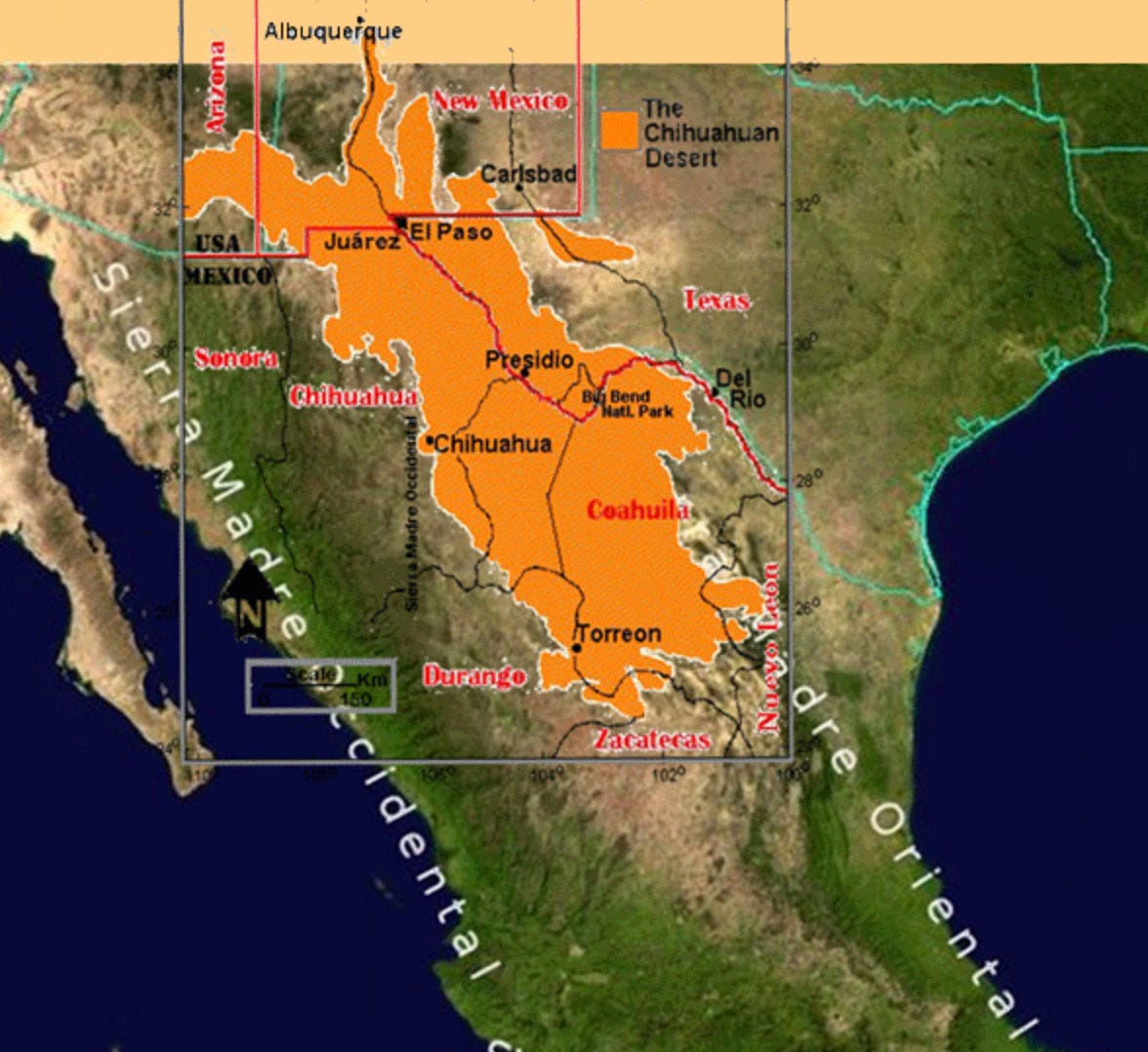
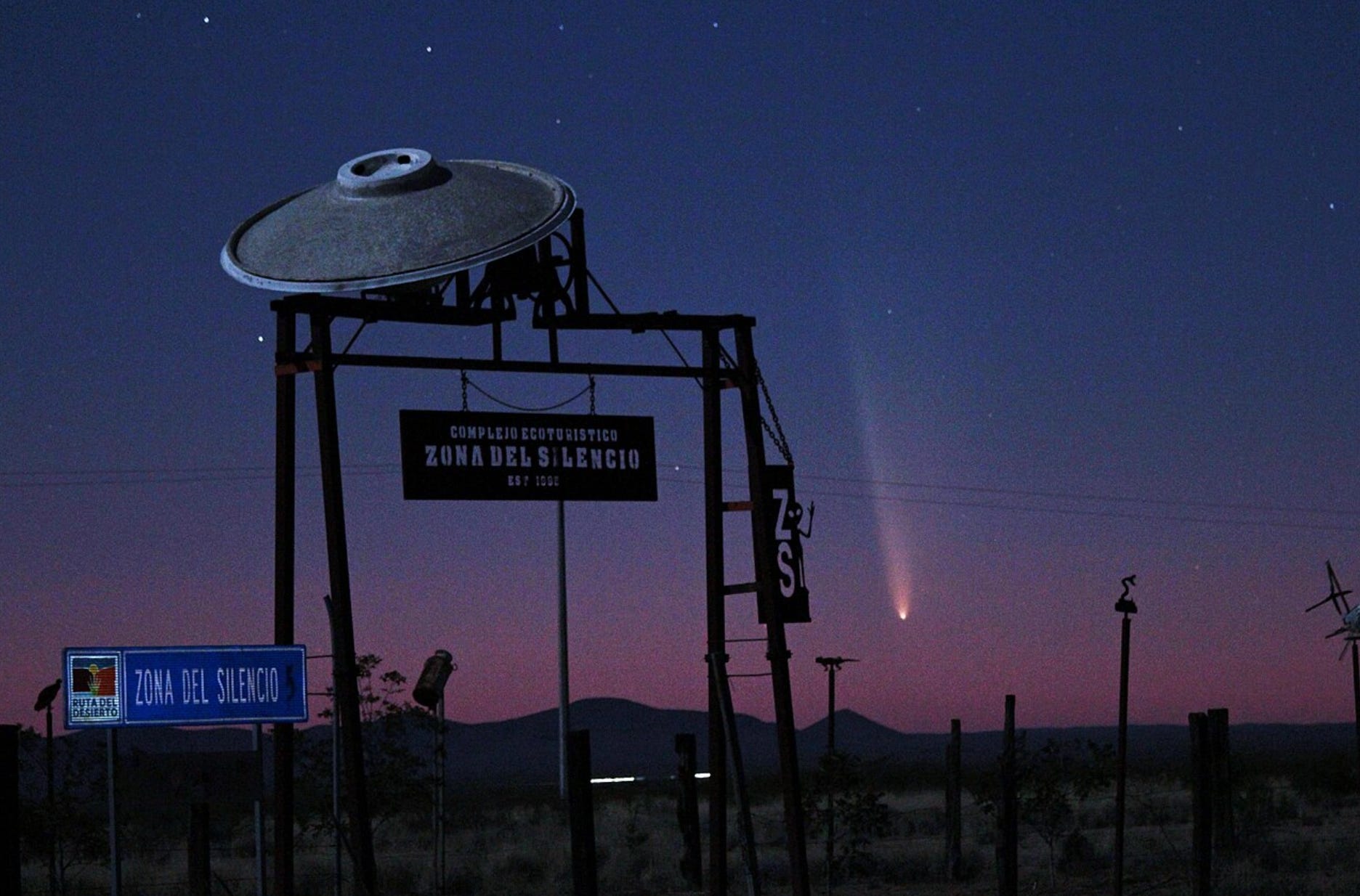
Beyond the natural (overused) beauty and awe, there is also a weird, many-dimensional story in the middle of this vast area. This is home to the Zona del Silencio, an area that could have been the premise of a Carl Hiaasen novel... If only in Florida
The myth was birthed in 1966 when a Pemex explorer reported significant radio problems in an area of the Chihuahua Desert. The conclusion was that this was caused by magnetite mineral - extraterrestrial debris delivered by meteorites. Thus, the Zone of Silence
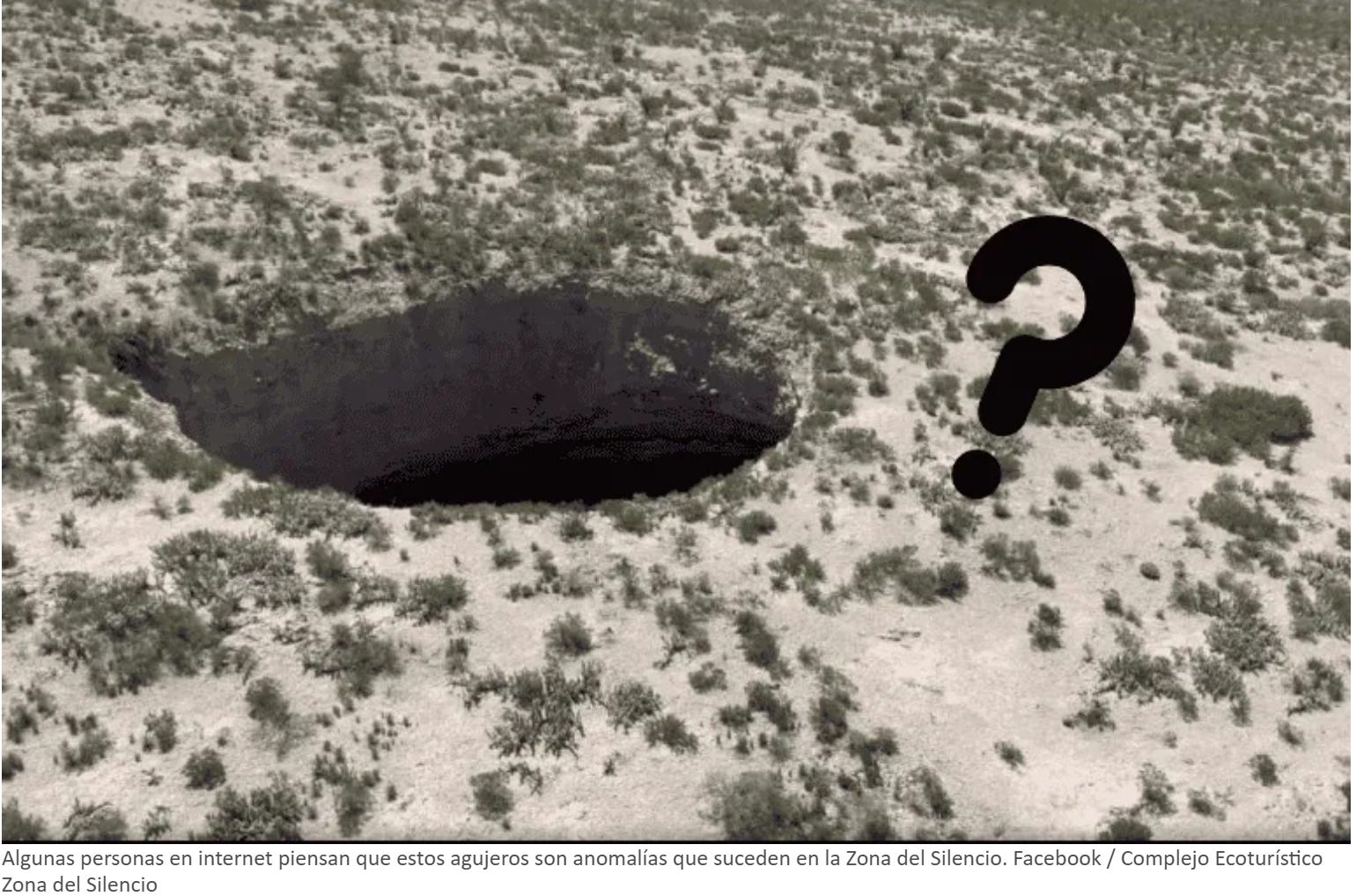
Then we take a hard turn down Weird Alley. In 1970, a U.S. rocket, weighing 16,000 pounds, launched from Green River, Utah, toward White Sands, New Mexico. It went badly off course and crashed in this area. It was carrying two small containers of radioactive cobalt-57. The cleanup operation involved a large Mexican workforce, a temporary rail spur to the impact area, and removal of the wreckage
Now, for the top layer of this Oddity Cake: there is a paranormal element, because deserts are famous for attracting bonkers stuff. UFO lore here claims encounters with tall, blond, perfect Spanish-speaking extraterrestrials who ask travelers for water, then disappear. Know that this is also the country of high-alcohol Sotol
And then there is the tortoise story.
This area is also in the Mapimí Biosphere Reserve. The reserve’s most important resident is the bolson tortoise, an endemic, endangered giant tortoise and North America’s largest land reptile. So there you have the twilight drama and an oversized turtle… excuse me, tortoise.
Riding through these storybook places was exhilarating. And then there was the ever-recurring toll booth and the OXXO, on the paid side. I went through the typical rider de-cramping process and looked around. Now, I was seeing some green. A very short ride into the village of Jiminez. I rode down a wide boulevard lined with leafy trees, boasting bright green leaves. It reminded me of Davis, California on a May afternoon
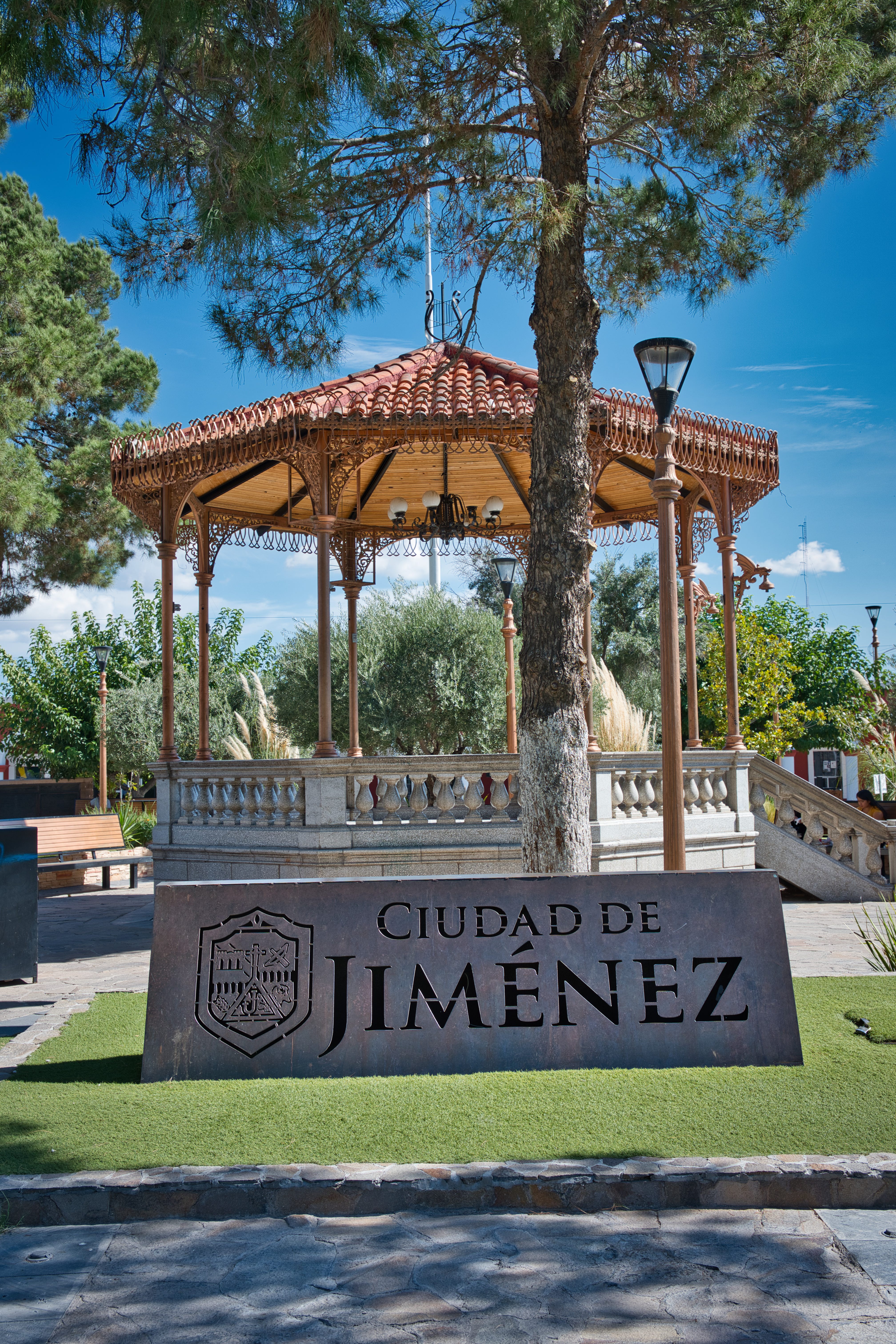
Jiminez Oasis
At the substantial risk of leaning on a worn cliché, this was an oasis in the desert. Lots of signs pointing one to the best hot springs. Fortunately, no Wellness Hotels. Just don’t get me started on upscale hotels selling $400 USD-a-night rooms and wellness treatments. I’m not a doctor, but spending thousands of dollars for a week at a fancy hotel doesn’t cure anything except a fat bank account.
It was a treat talking to a woman and her two beautiful daughters in the town square. The two daughters spoke excellent English. Mom, not. They say they are now fans of my project.
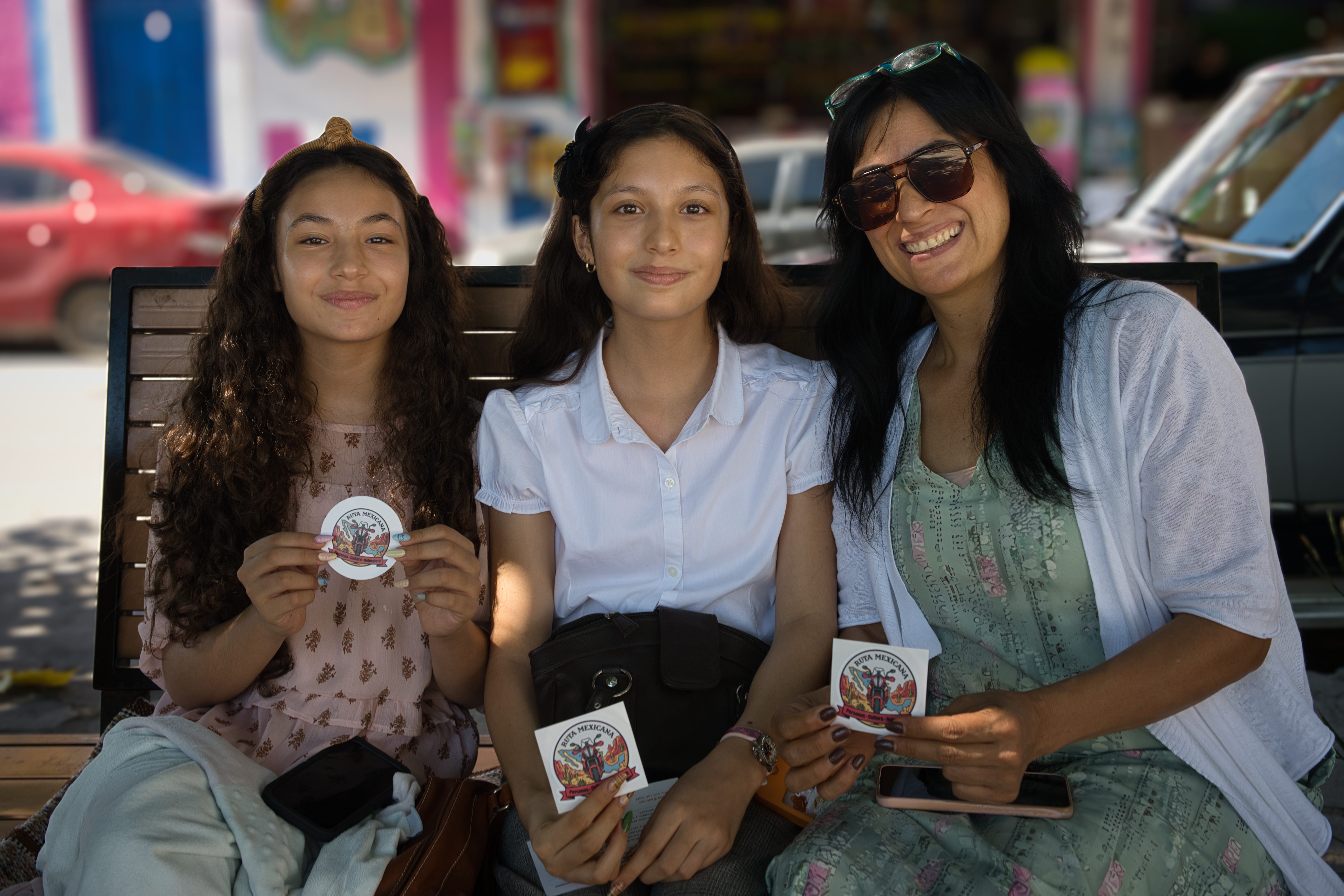
Valle de Allende
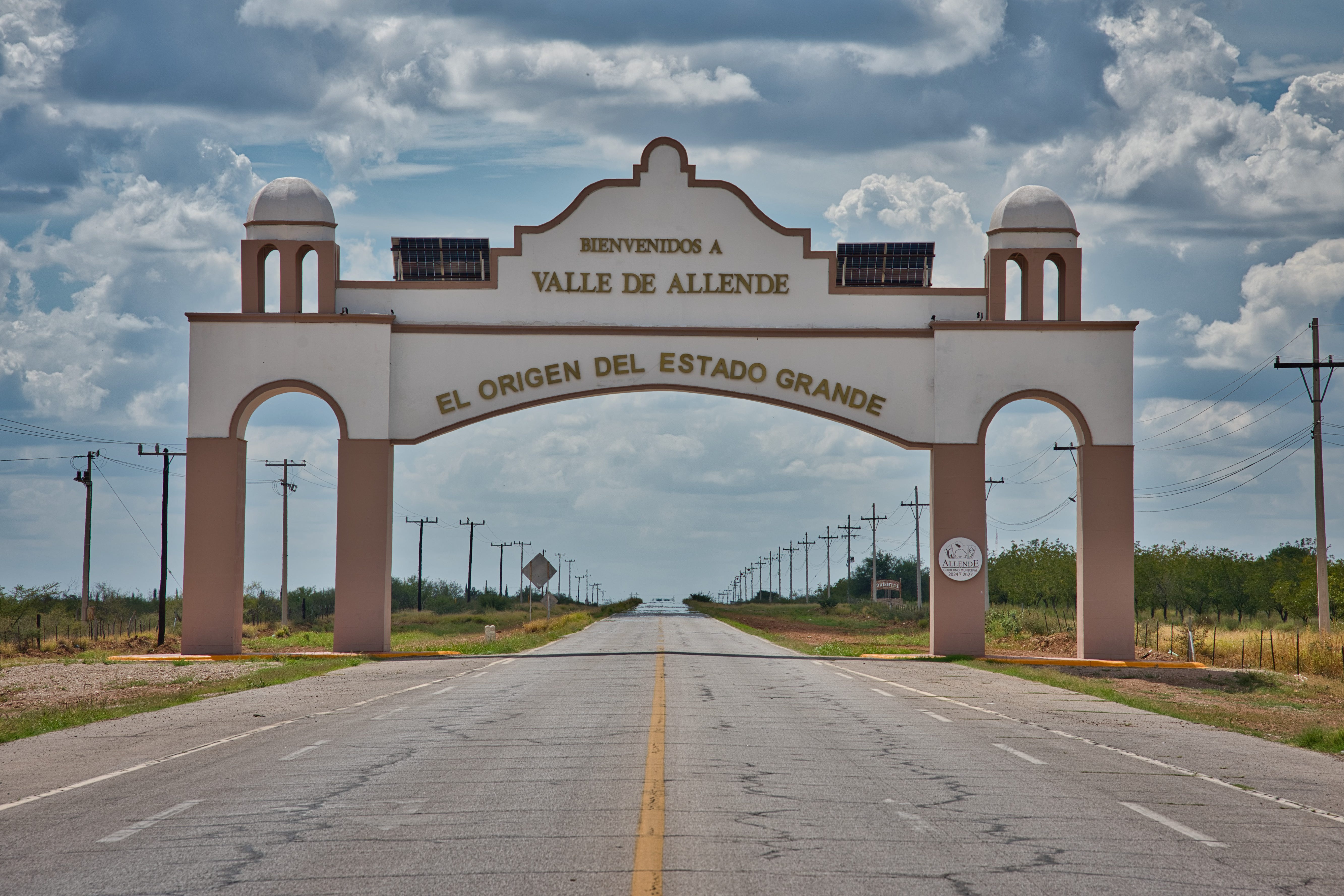
Now off Parral with a quickie side trip to Valle de Allende. What is this place that has borrowed our name? It is an old agricultural mission town—formerly Valle de San Bartolomé supplying the mining towns. Its recent claim to fame is a meteorite that hit in 1969. The Smithsonian compared it to the size of a Buick. They didn’t say what model
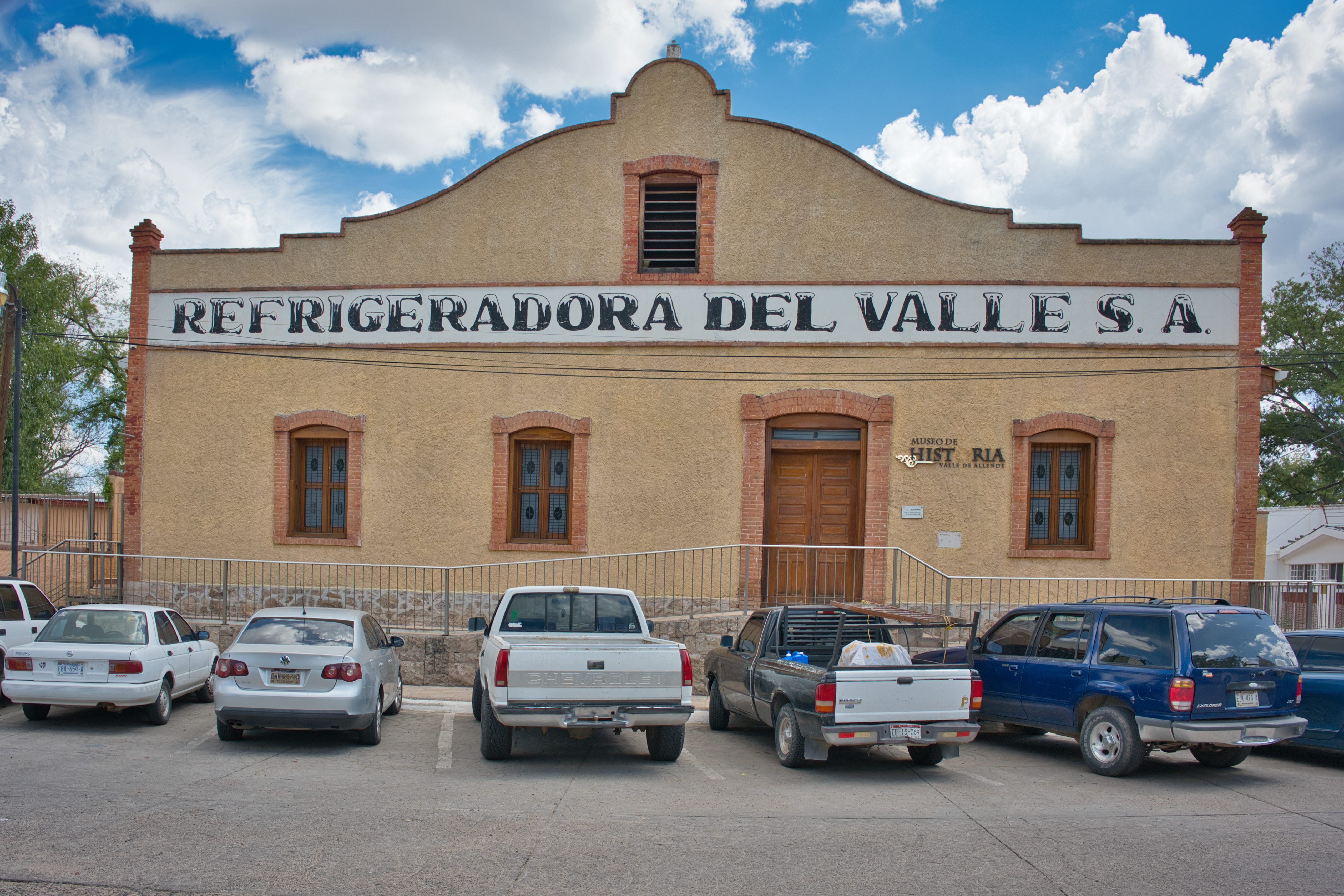
Parral Arrival
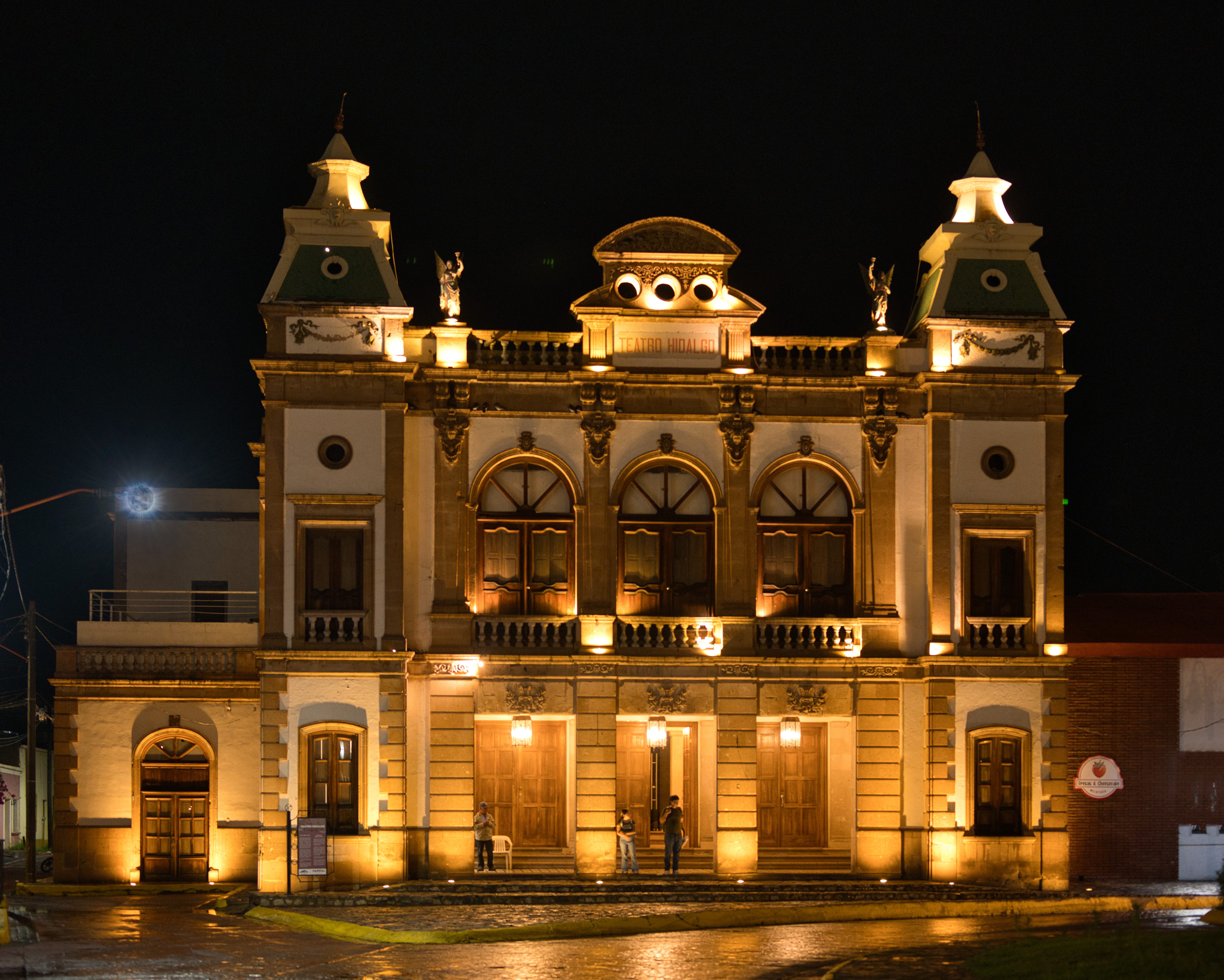
The day ended in Parral, where I would set up camp for three nights. It was time to rest the two wheels, take a break from the daily packing/unpacking ritual, and devote time to a fascinating place
Parral annual rainfall: 494 mm (19.4 inches)
Altitude: 1,722 meters (5,650 feet)
Distance Rode: 1,497 km