

Unlike the voladores, who stood me up twice, this parade actually showed up.
Mexican Revolution Day is a civic ritual holiday, not a fiesta. It marks the call to arms in Madero’s Plan de San Luis Potosí. The main event is the desfile deportivo. What was a military parade has now become a parade of athletes, school groups, and dancers.
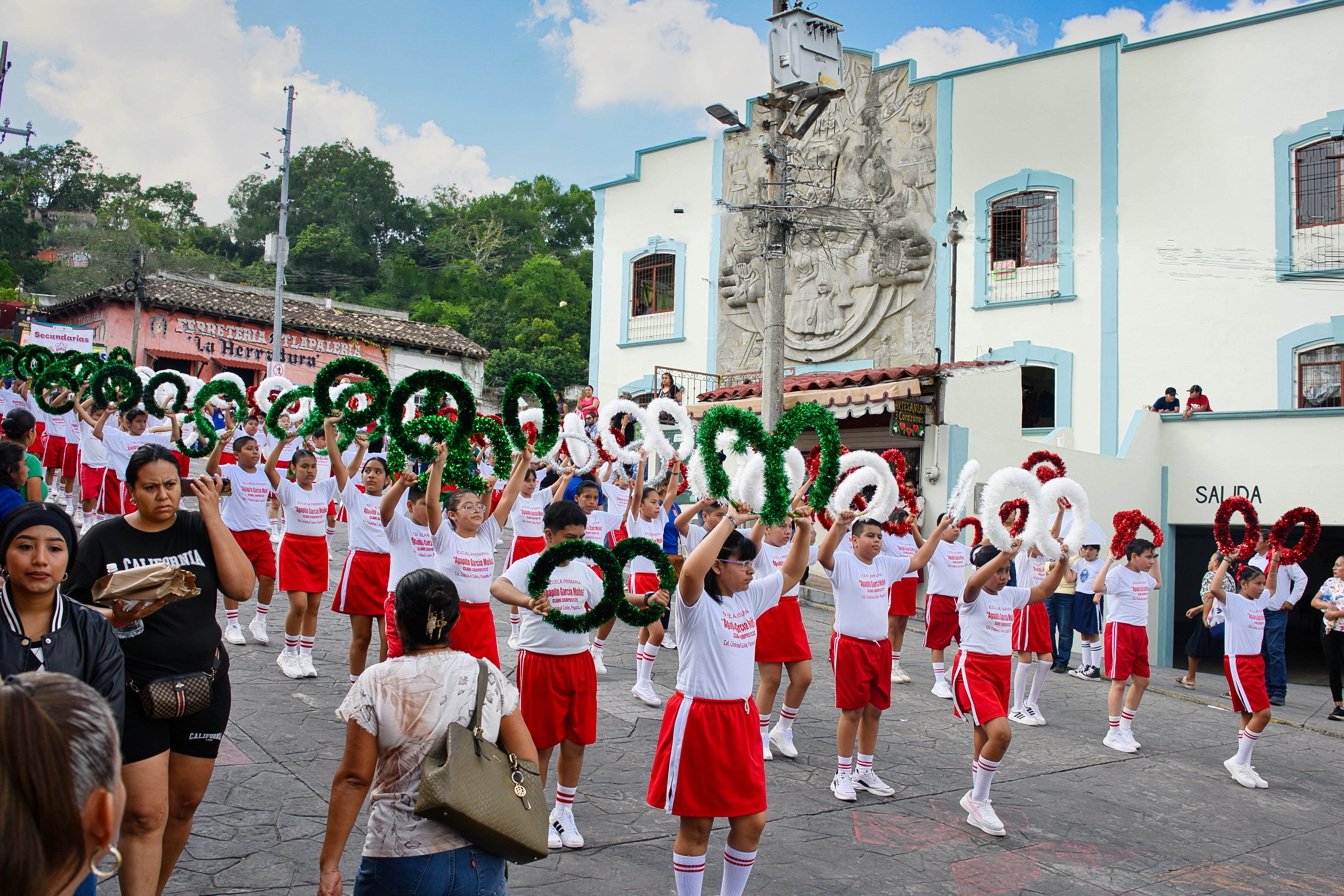
I saw the boys dressed as revolutionaries: think Zapata and Villa with oversized mustaches, rifles, crossed-over cartridge belts, and large sombreros.
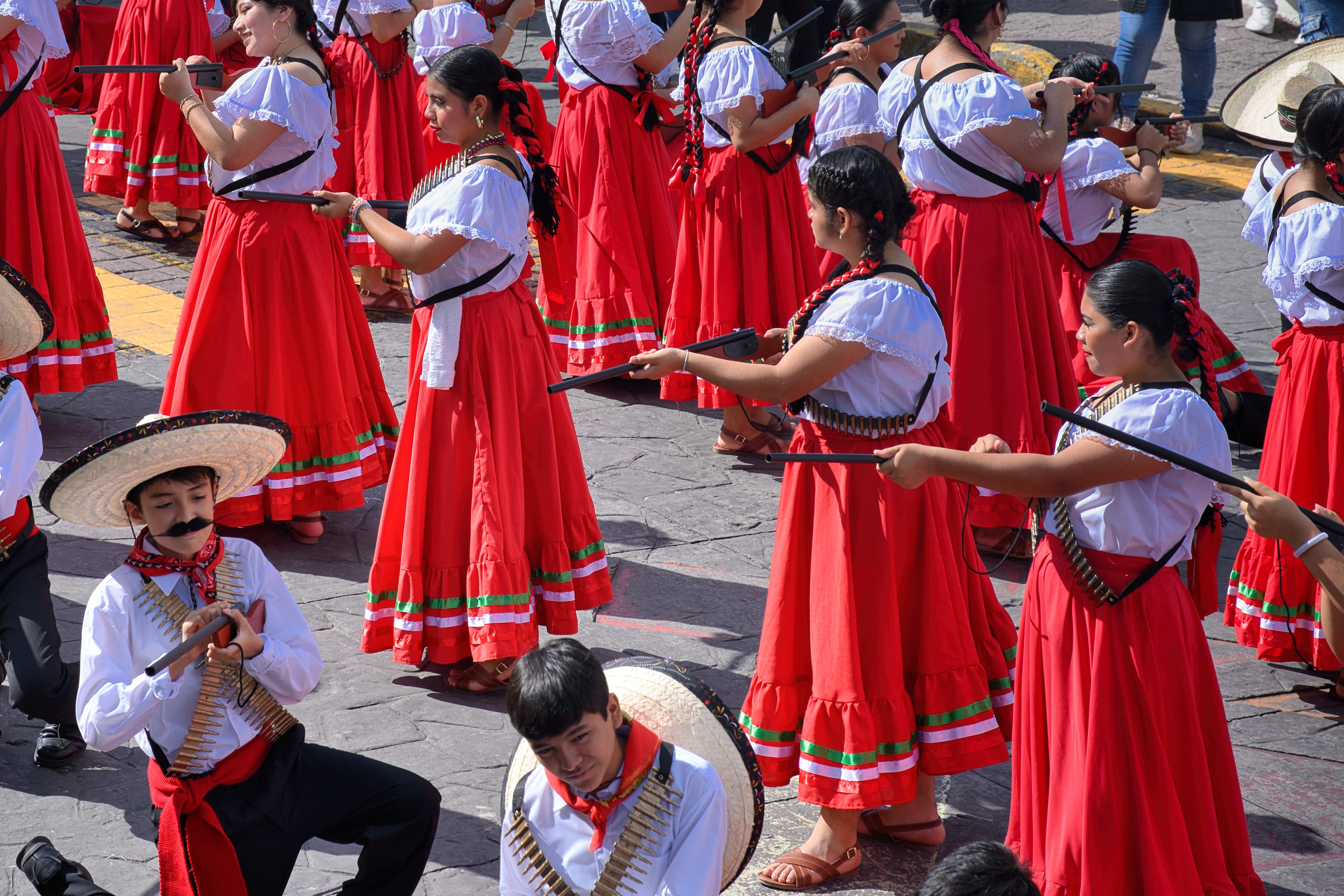
The Soldaderas (representing the women who went to war) wear long, billowing skirts, white blouses, crossed bandoleers, and sometimes guns too.
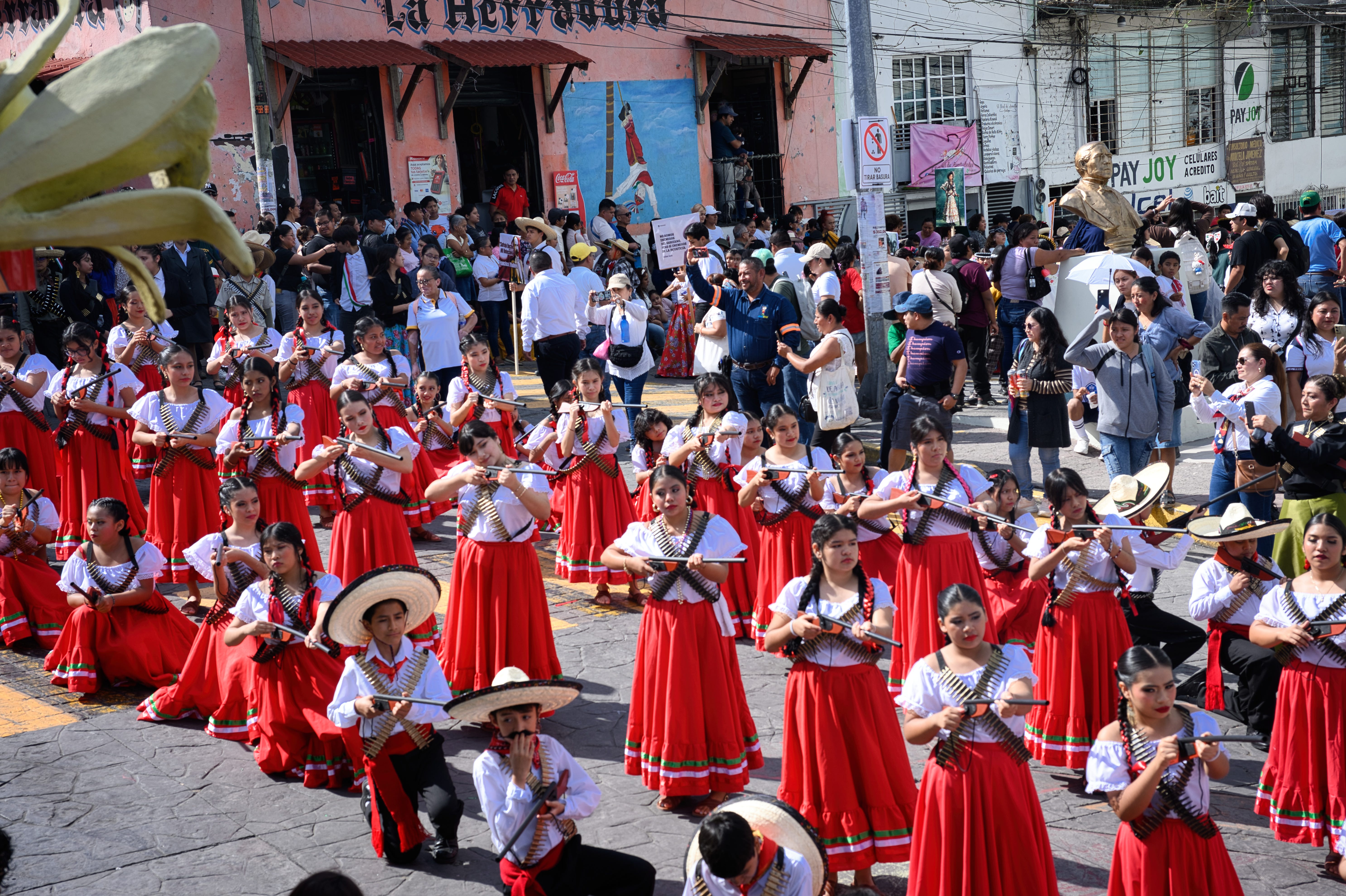
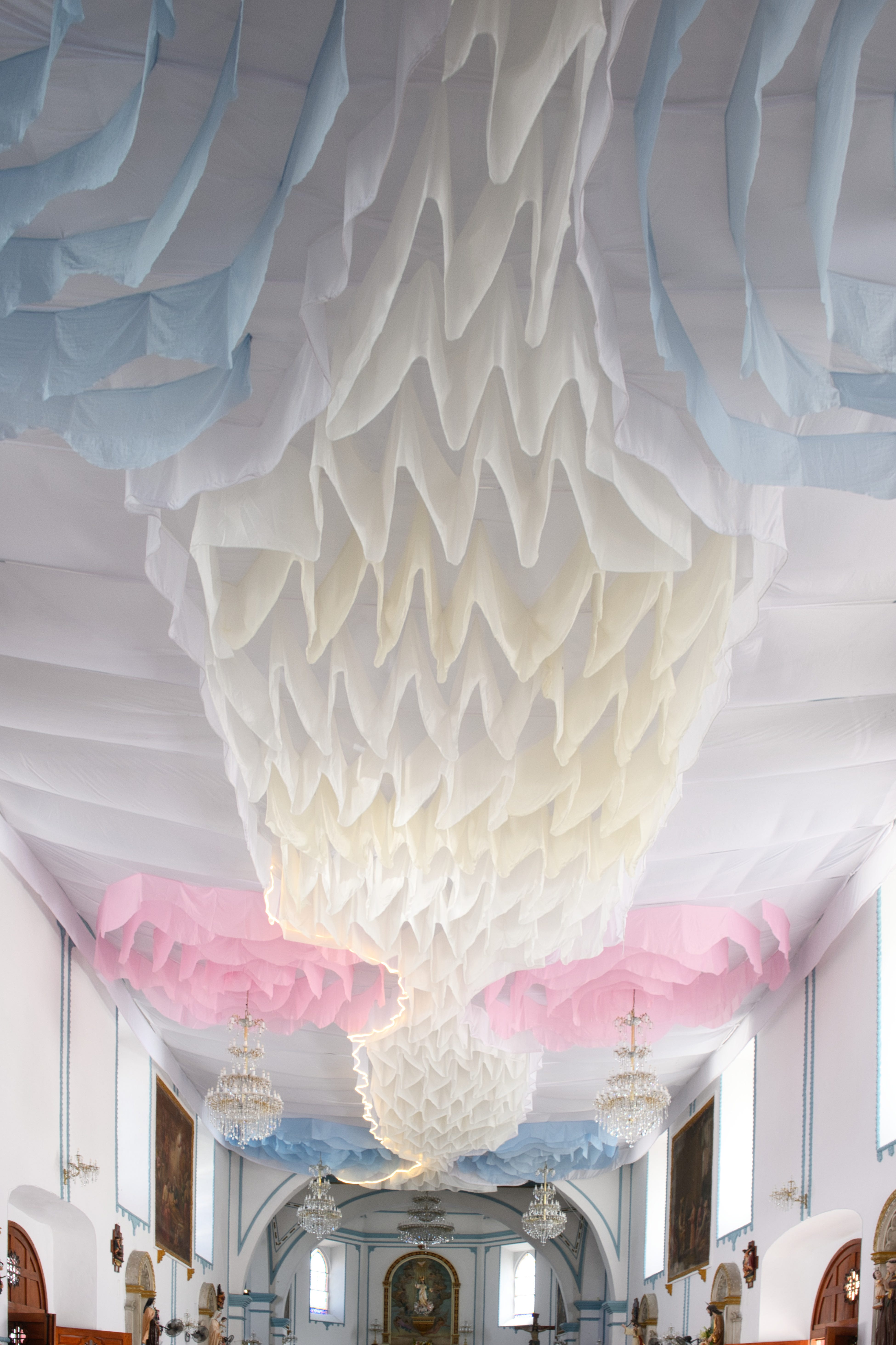
After way too many photos (including that church ceiling photo that I finally got), it was time to say adios to this scene and Papantla, and head to Veracruz, Veracruz.
It’s a common theme in Mexico, with 12 states sharing their name with their capital cities, but in this anomaly, Xalapa is the capital, and Veracruz was made the party town.
The old potholed road from Papantla south along the coast had me riding through palm, banana, and orange country. An endless string of beach towns.
And one beach hotel after another. It got me thinking, “Who stays in these hotels?” It certainly isn’t American tourists; I know that because I’m always the only gringo there. It’s Mexicans, mainly families. They tend to take long weekends, travel by car, and bring the whole family, and maybe the dog and nanny too. Americans travel by air, usually in pairs, or maybe two couples, each with separate rooms.
I stopped for lunch at Los Pampanos in the fishing village Casitas. Of course, me being me, I had to choose the most remote restaurant in town, at the end of a muddy road with waterholes that would have swallowed my bike if they’d had the chance. A Cóctel de Camarón Grande (large shrimp cocktail) and my de rigueur Victoria cerveza. 200 pesos, including tip.
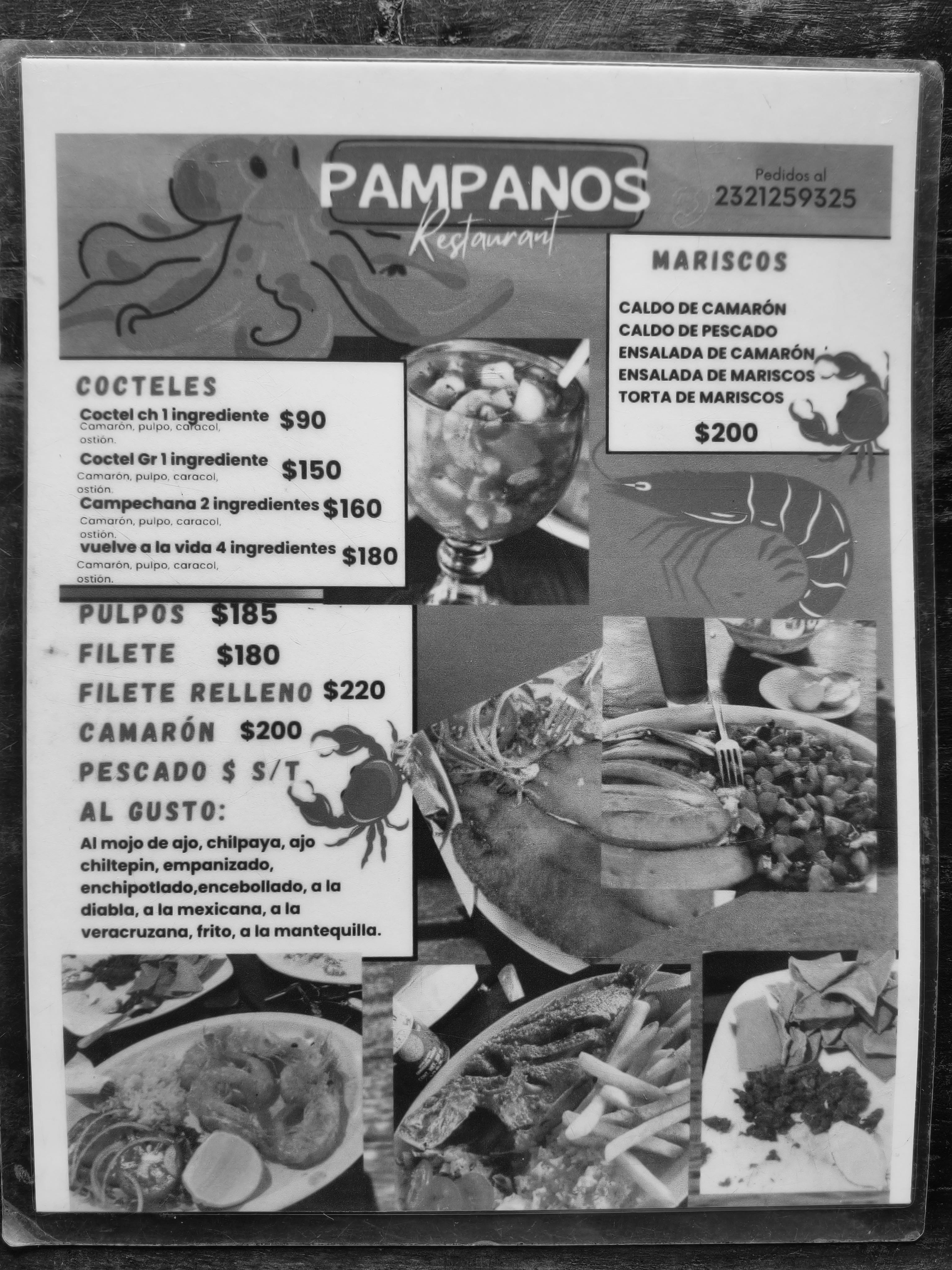
That morning, these shrimp were swimming in the ocean in front of me. Yet another superb meal at a Mom & Pop & Daughter restaurant.
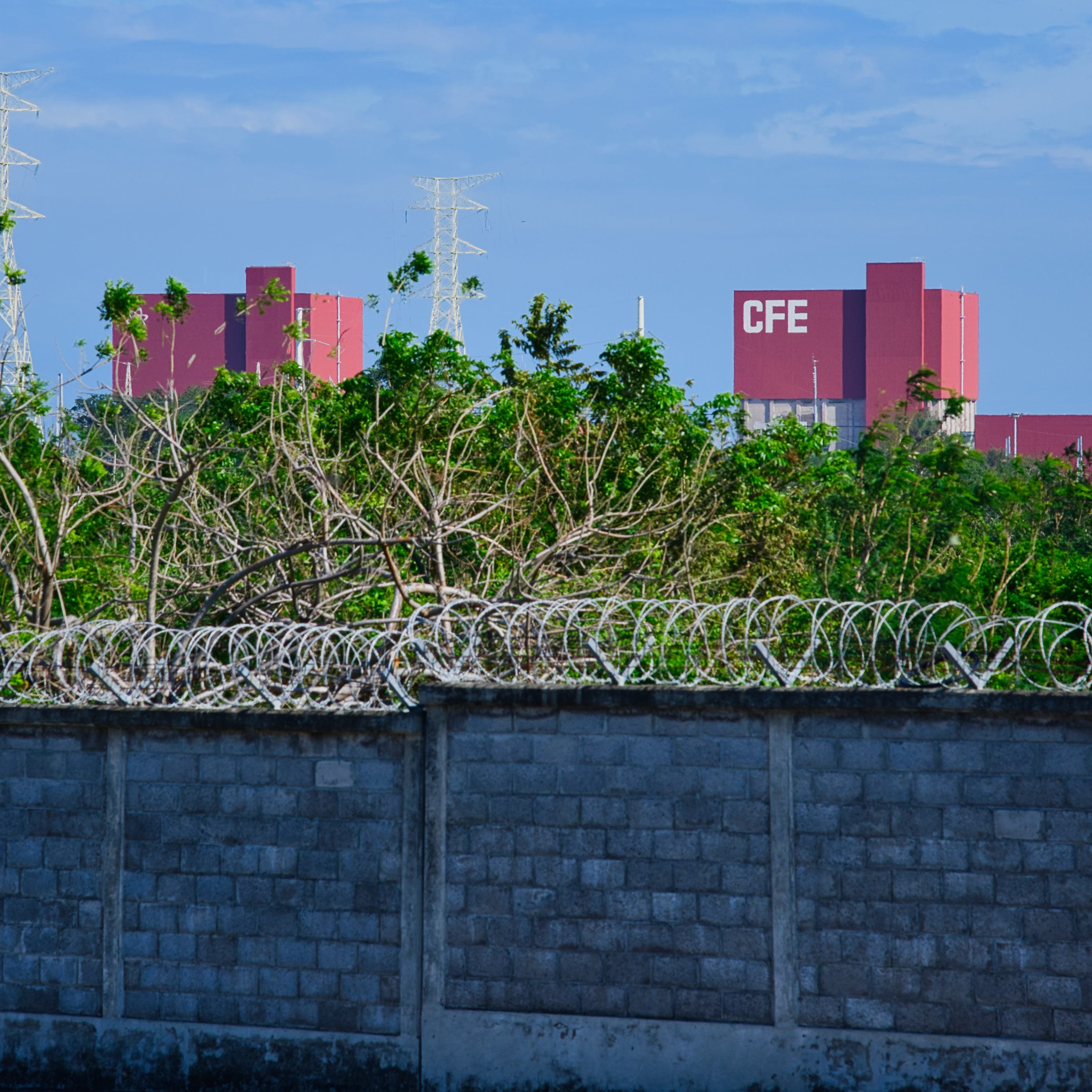
The next attraction was Mexico’s only nuclear power plant. They started construction on Laguna Verde in 1976, but Unit One didn’t go online until 1989. On Mexican Time.
Rolling into Veracruz, the four-lane, high-speed tollway narrows, slows, and becomes a city street. My room was one turn off the “freeway” and was two blocks from the main zócalo.
I had a short stroll through the zócalo as a scouting trip. The main event is tomorrow night.
This is probably a good time to mention the various names used for the main area of a Mexican city. Zócalo” started as the name of Mexico City’s one square and spread. “Jardín” is the word you hear used all over Guanajuato. Both mean “la plaza principal.”
I did see something during my walk that I hadn’t seen since I was a kid. A man using tweezers and a mirror to groom his beard. This was a guy in Dannebrog named Lemme Grim who used that same grooming technique. Shaving by a thousand pinches.
Tomorrow: danzón in the zócalo
More photos
Day 7: The Totonac People and El Tajín

The previous Monday, while I was hunkered down in Tampico, heavy rains and serious flooding hammered much of Veracruz. Papantla didn’t dodge it, and when I arrived at the gates of El Tajín not far out of town, it was still soggy.
Ride on Randy and I’ll read on. 😀
"They started construction on Laguna Verde in 1976, but Unit One didn’t go online until 1989. On Mexican Time."
Hate to say it, but PGE started construction of Diablo Canyon in 1968 and it didn't go online until 1984...so their thirteen years beats our sixteen.