

The plan was for Cuauhtémoc to be a necessary transit point, not a destination city. Then luck intervened. All of the hotels in Cuauhtémoc are franchise boxes, all negative on the Charmometer. So I scanned Airbnb and found something promising, an “entire guesthouse,” what we in San Miguel would call a casita
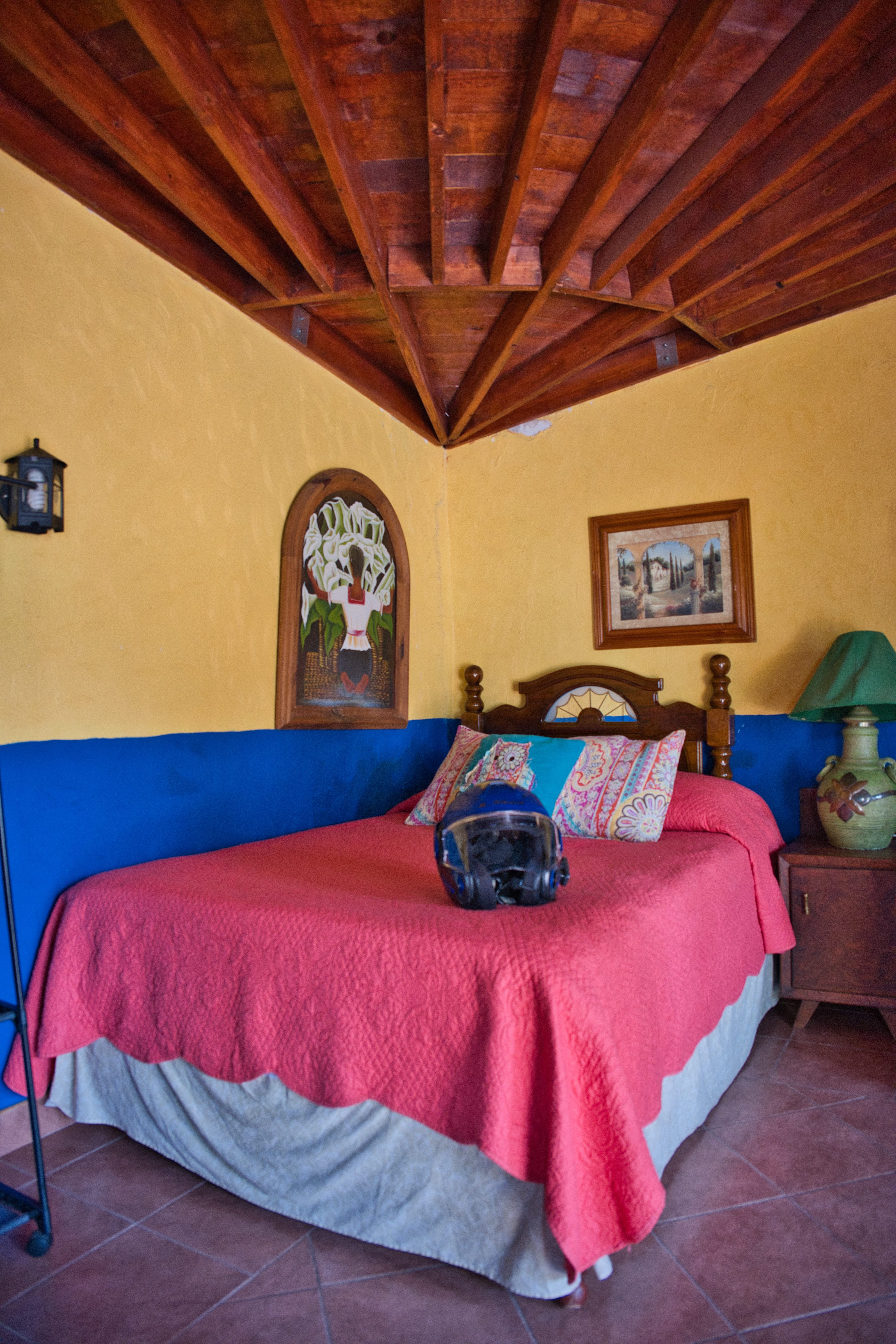
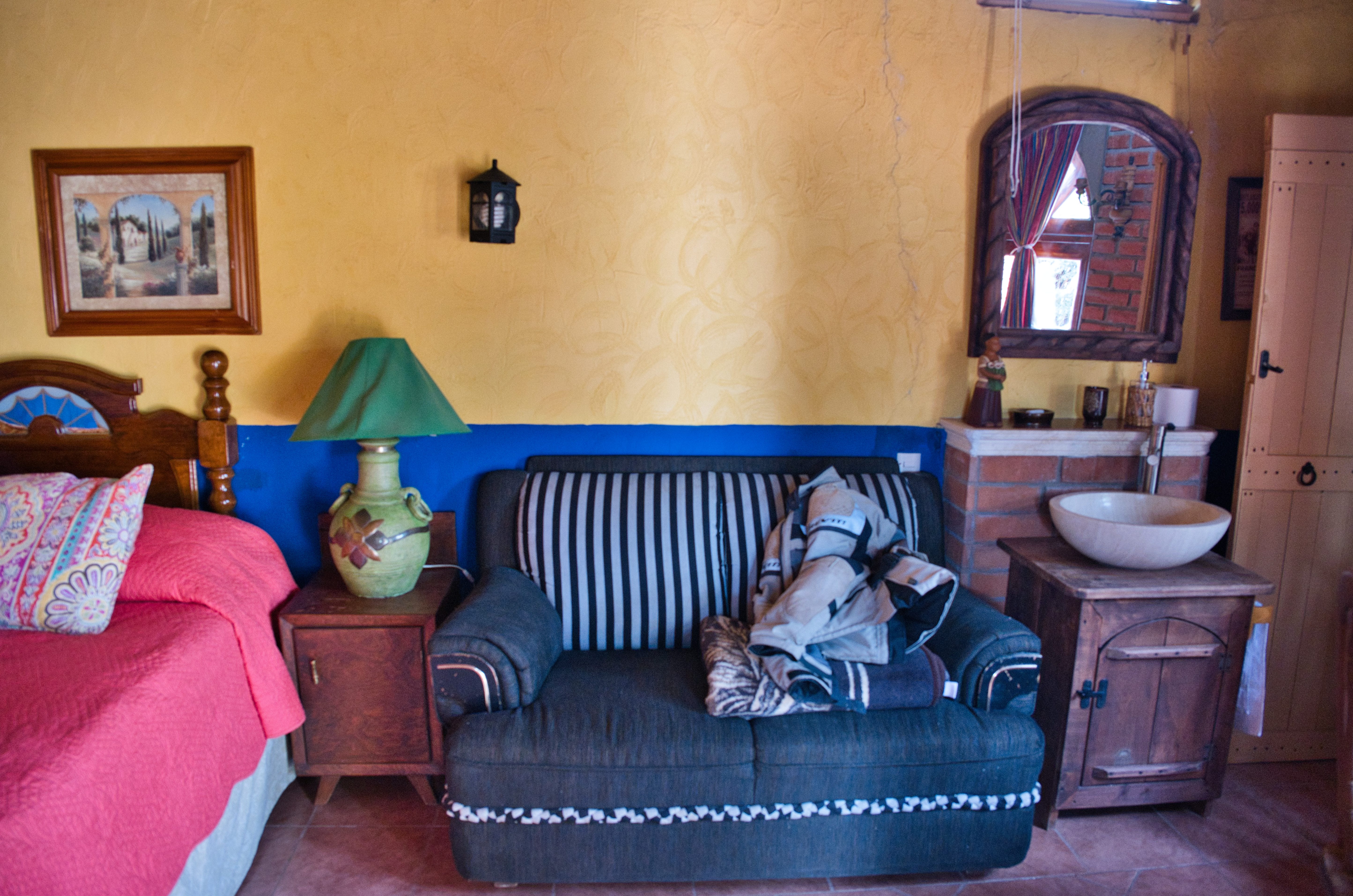
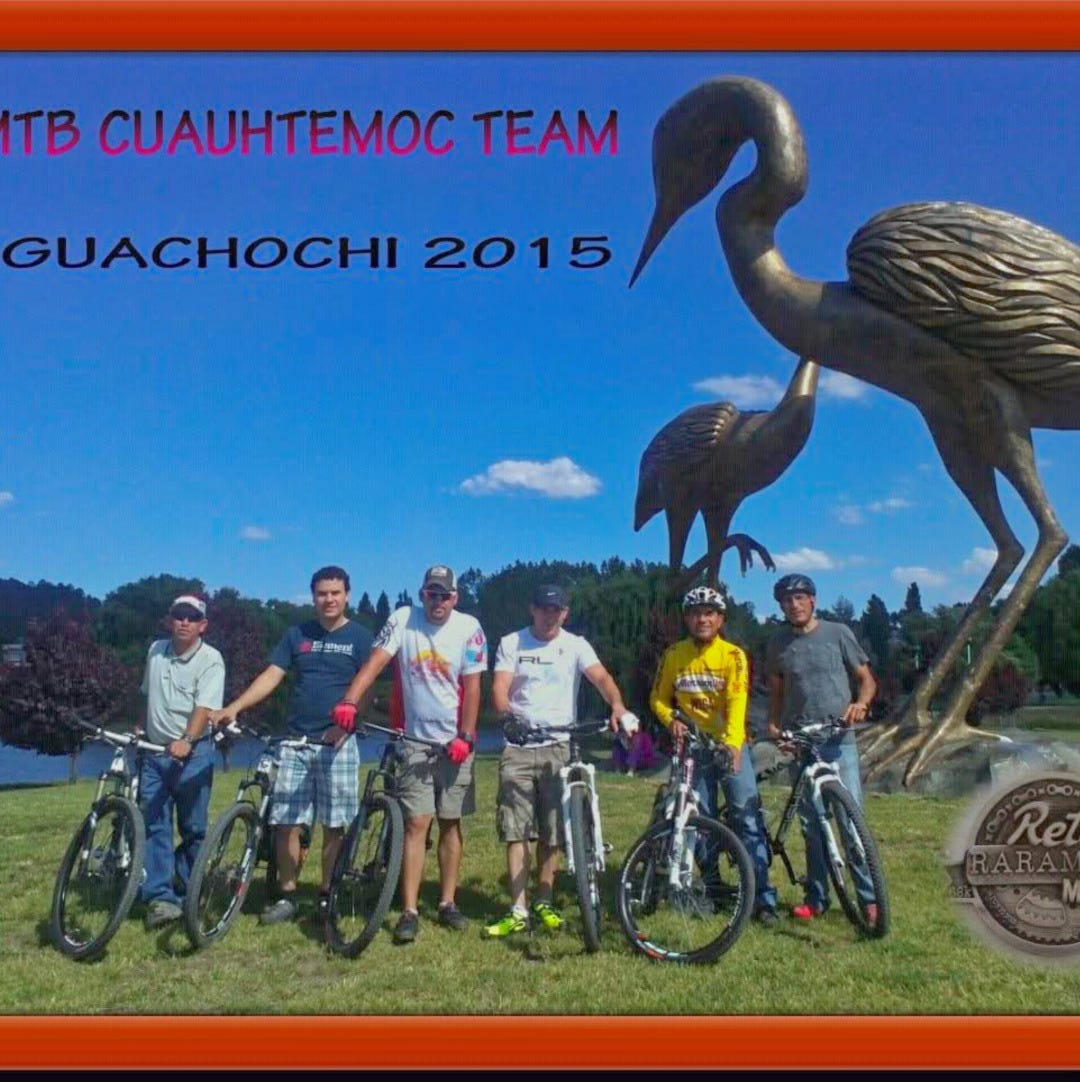
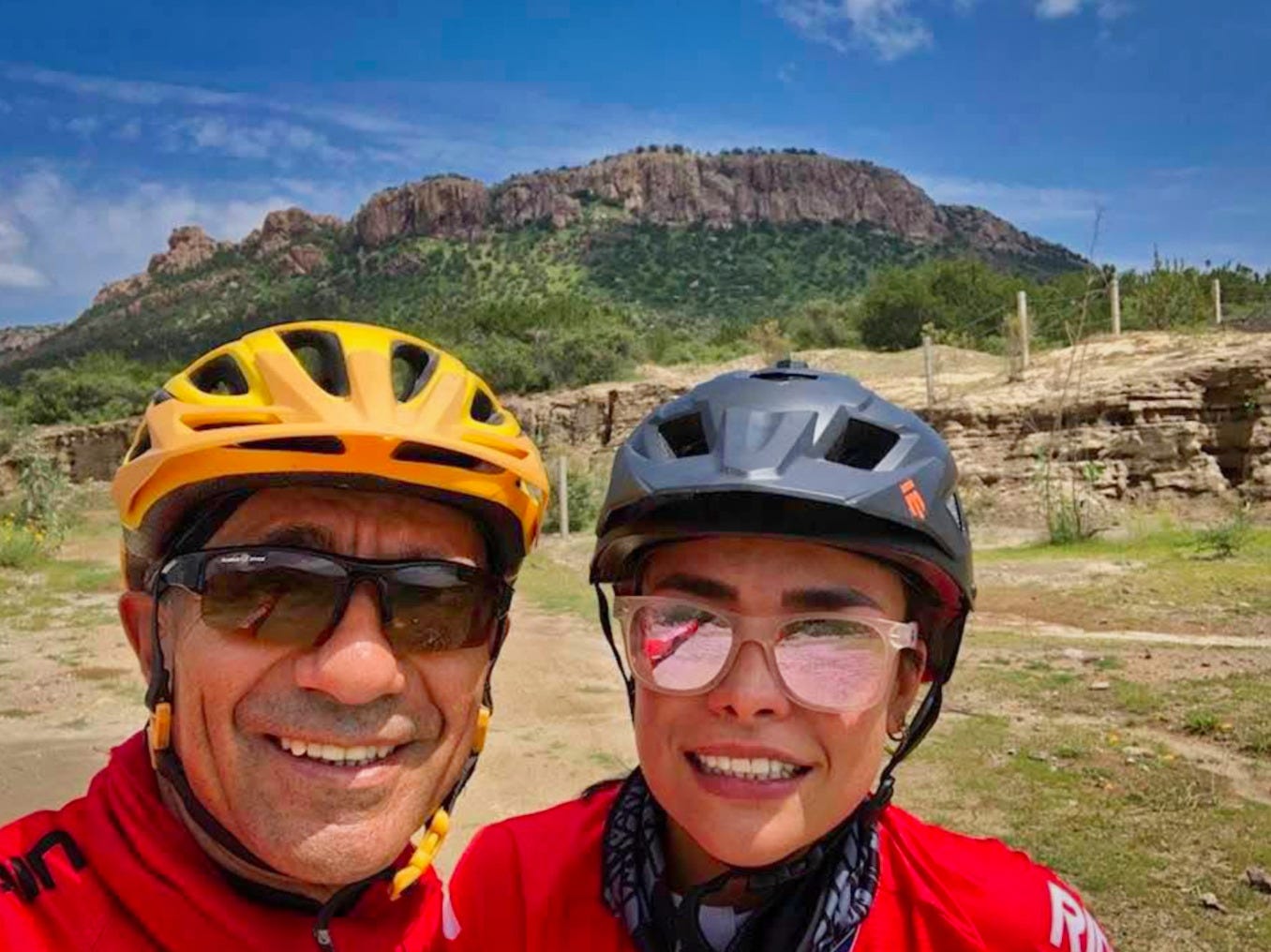
Sayra, a delightful young host, met me. I explained that my wife Mary and I had been through Cuauhtémoc many years back. We clicked right away when she learned that Mary’s family is from Chihuahua and that her 70-year-old father still rode a motorcycle like me. He was an avid mountain biker, too. Sayra boasted that her father rode his bike from Tijuana to Cabo San Lucas, called La Baja Mil, in 20 days in 2000.
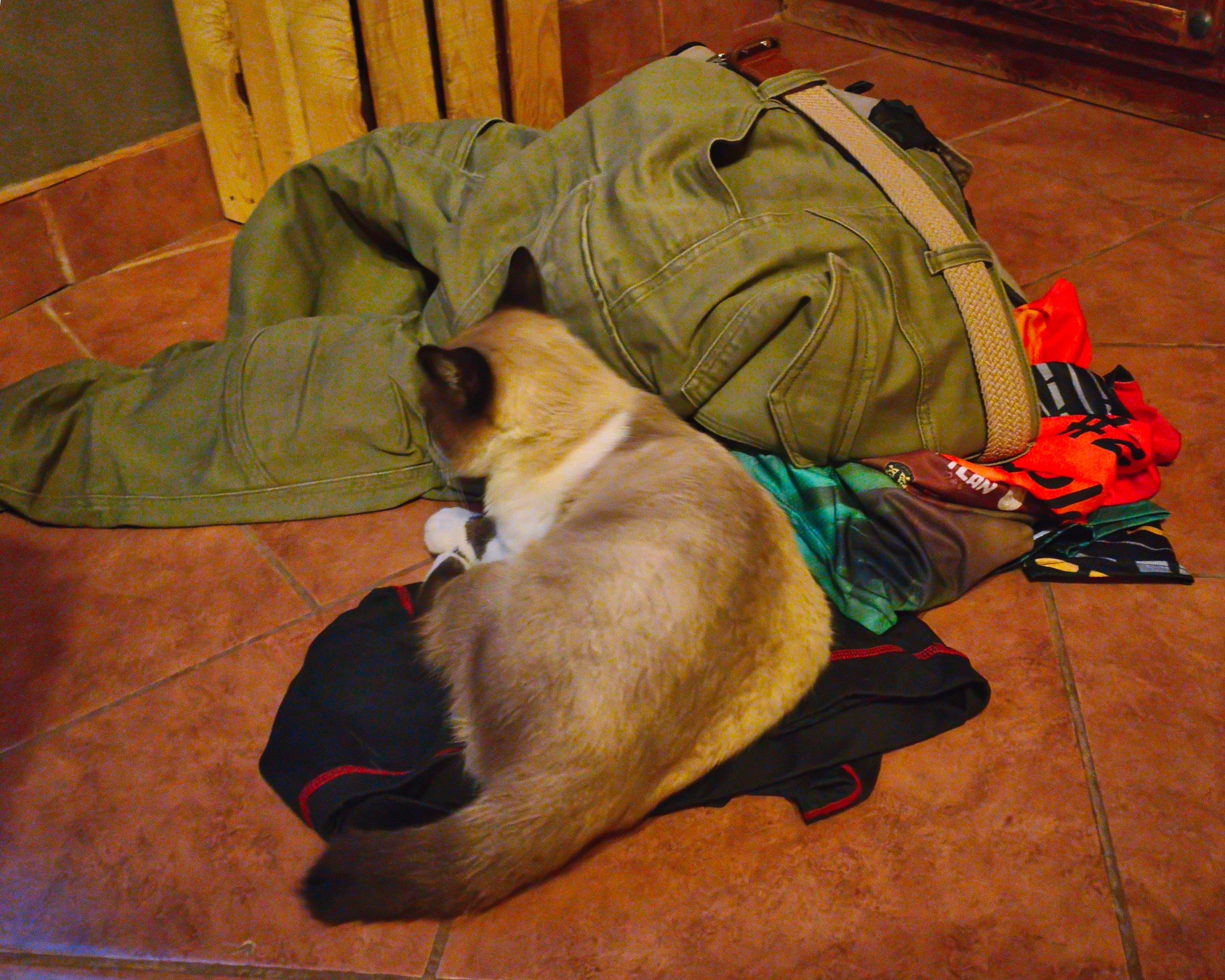
I unpacked and quickly bonded with the family cat, who promptly turned my riding gear into a bed.
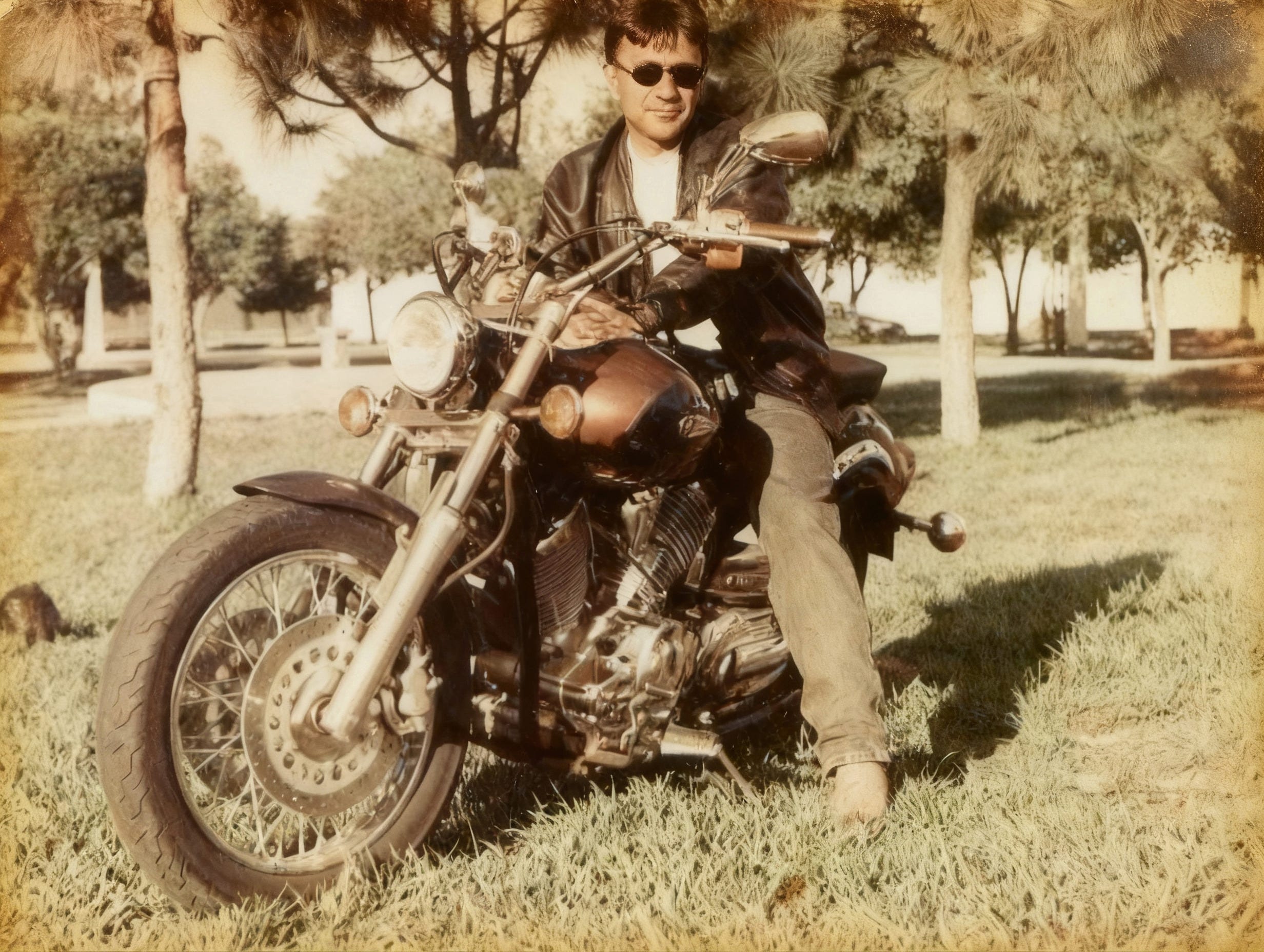
Soon, Arturo arrived, and we talked about motos and my trip for a short while. When you meet a fellow rider, you bond quickly.
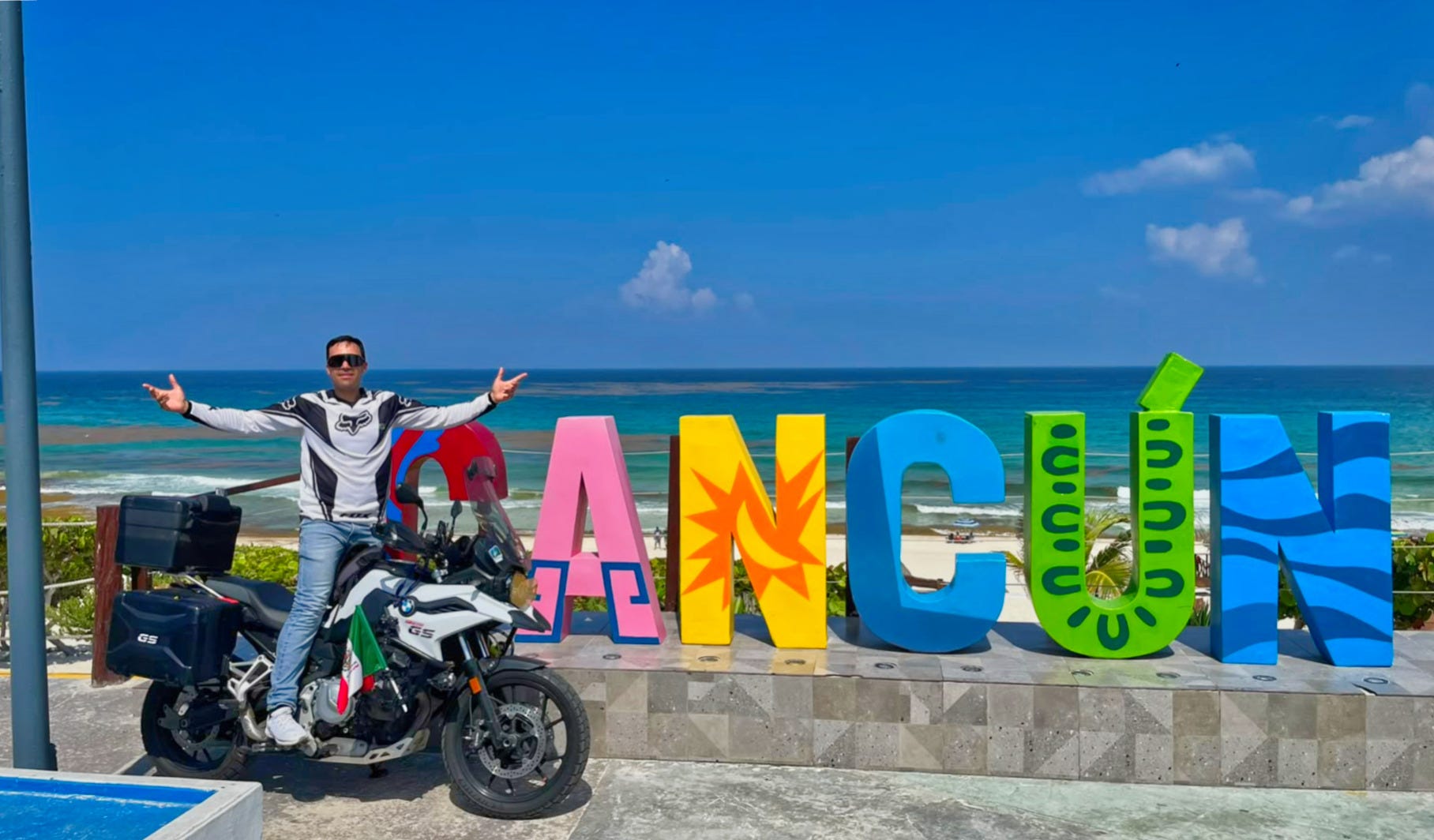
We talked about his kid’s attraction to two wheels. Sayra rides a mean mountain bike, and her brother (also named Arturo) just returned from a motorcycle trip to Cancún.
Later that evening, I got a WhatsApp message from Sayra saying her Dad was offering me a free night. I had to decline as I was in a race against Hurricane Polo. And that the next time Mary and I visited family in Chihuahua, we could stay with them again gratis. Sayra quoted Arturo: “motorcycle and adventure guys don’t have to pay.” I now feel much fonder of this city. I pleaded with them to make a family visit to San Miguel.
Cuauhtémoc itself is a flat, sprawling ag-service town with almost no colonial core. A curious story is the Mennonites. It’s basically the Nebraska of my childhood. (Mary asked if I saw lots of people who look like me). Their home language is generally Plautdietsch—also called Mennonite Low German —but many speak Spanish outside the home.
I won’t turn this into a cultural and history piece, but I did dig up some interesting tidbits to share:
They are cheese and apple people. 85% of Mexican apples are from Chihuahua. And they make so much cheese that they cleverly opened pizza restaurants and became major cheese buyers. And yes, now that you ask, some of the shops make a sweet apple-and-cinnamon pizza, finished with a generous layer of Mennonite cheese. I had to gracefully decline Arturo’s chicken soup lunch offer so I could eat Mennonite pizza. It’s not Italian pizza, but everyone here loves it.
The Mennonites arrived by train in 1922, pissed off that Canada was forcing their kids into English-language schools. Then-President Obregón offered them their own schools, church, and no military service. Today the region around Cuauhtémoc holds roughly 50,000 Mennonites in a cluster of colonies. Mennonites are recognized as conservative family types, and they say they leave the tequila to the Mexicans...that’s what they say.
The next morning I felt something might be coming. I went out to start packing, and within moments Arturo had a full breakfast plate ready for me.
Arturo and Sayra had become my personal welcoming committee in a town I had expected to treat as a quick overnight stop. They reminded me of one truth about travel: you can research roads, weather, hotels, history, and food, but you cannot schedule the people who make a place matter.
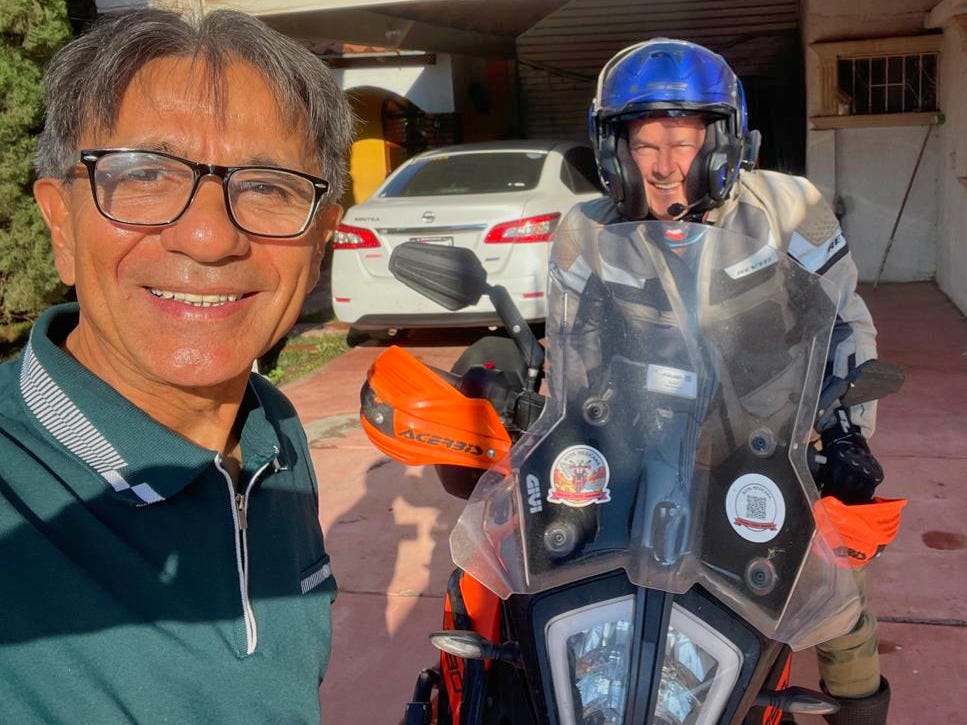
See you next time—though apparently I will not be allowed to pay.
Cuautemoc annual rainfall: 450 mm to 492 mm ( 18 to 19 inches)
Altitude: 2,060 meters (6,760 feet)
Cumulative distance ridden: 1,761 kilometers