

DAY SIX: ZACATECAS
Zacatecas feels high. Chilly, slightly thin air.
Something you notice early on when visiting is the sheer number of callejones—many of them narrow and steeply climbing hills. It’s a hallmark of the city’s look.
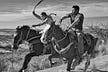
People from Zacatecas are a mix of deep indigenous roots (Chichimeca groups like the Zacatecos), colonial mining mestizo culture, and a huge migrant tradition that’s shaped their identity as tough, mobile, and damn proud. The modern population grew around silver mining, which began in 1546, and drew in Spaniards, indigenous groups, and later other migrants to work some of the richest silver lodes in the world.
The city’s population is 150,000–200,000 people. Guadalupe, its overgrown suburb, has around 210,000. So the suburb Guadalupe is larger than the historic and political center Zacatecas. Curiously, the state of Zacatecas sits near Mexico’s geographic center and borders eight states.
The main square is Plaza de Armas. But there were no balloon or toy vendors. They’ve been displaced by protesters living in tents. A coalition of campesinos (bean producers in particular), students, unions, and other groups marched in and occupied the space. By the looks of it, they’ve been there a while. They’re accusing the state government of repression after police violently broke up an earlier frijolero protest and detained demonstrators. If people don’t like what’s going on, they make sure everyone knows.
I found only one park, so it’s not a particularly verdant city, nor does it have many open plazas. Go to San Luis Potosí for that. But the stone buildings—those are the wondrous splendor of this place. Zacatecas is the pink stone city, built from cantera rosa. Churches, civil buildings, markets, theaters, aqueducts—everything is clad in it. The historic center is UNESCO-listed largely because of its 16th–19th century stone architecture stacked onto steep hillsides. Come to Zacatecas for the pink.
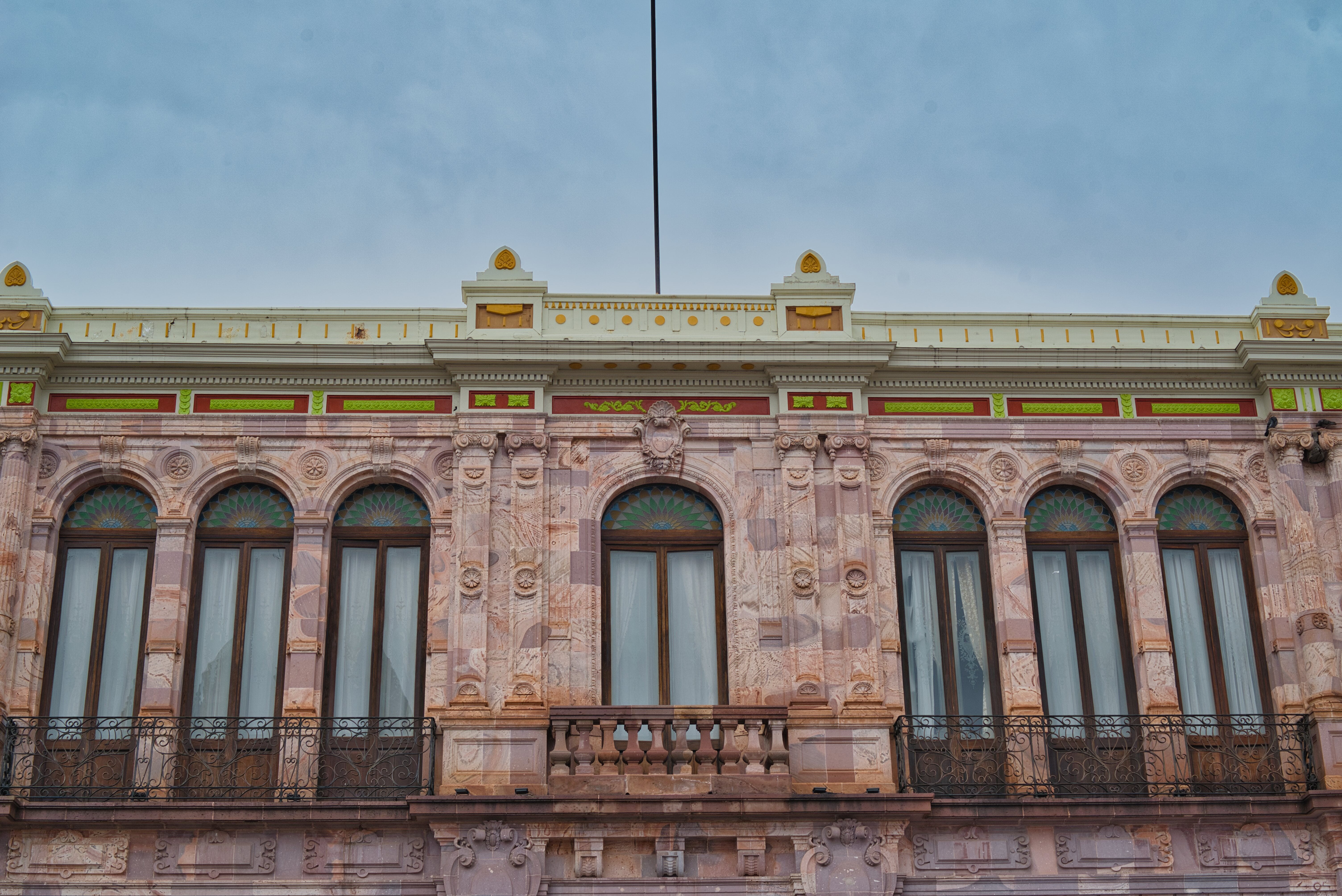
A unique attraction is the Quinta Real, built inside a former bullring. The Plaza de Toros San Pedro was inaugurated in 1866, next to the historic El Cubo aqueduct. Once the stage for some of the world’s most renowned bullfighters, it is now a hotel.
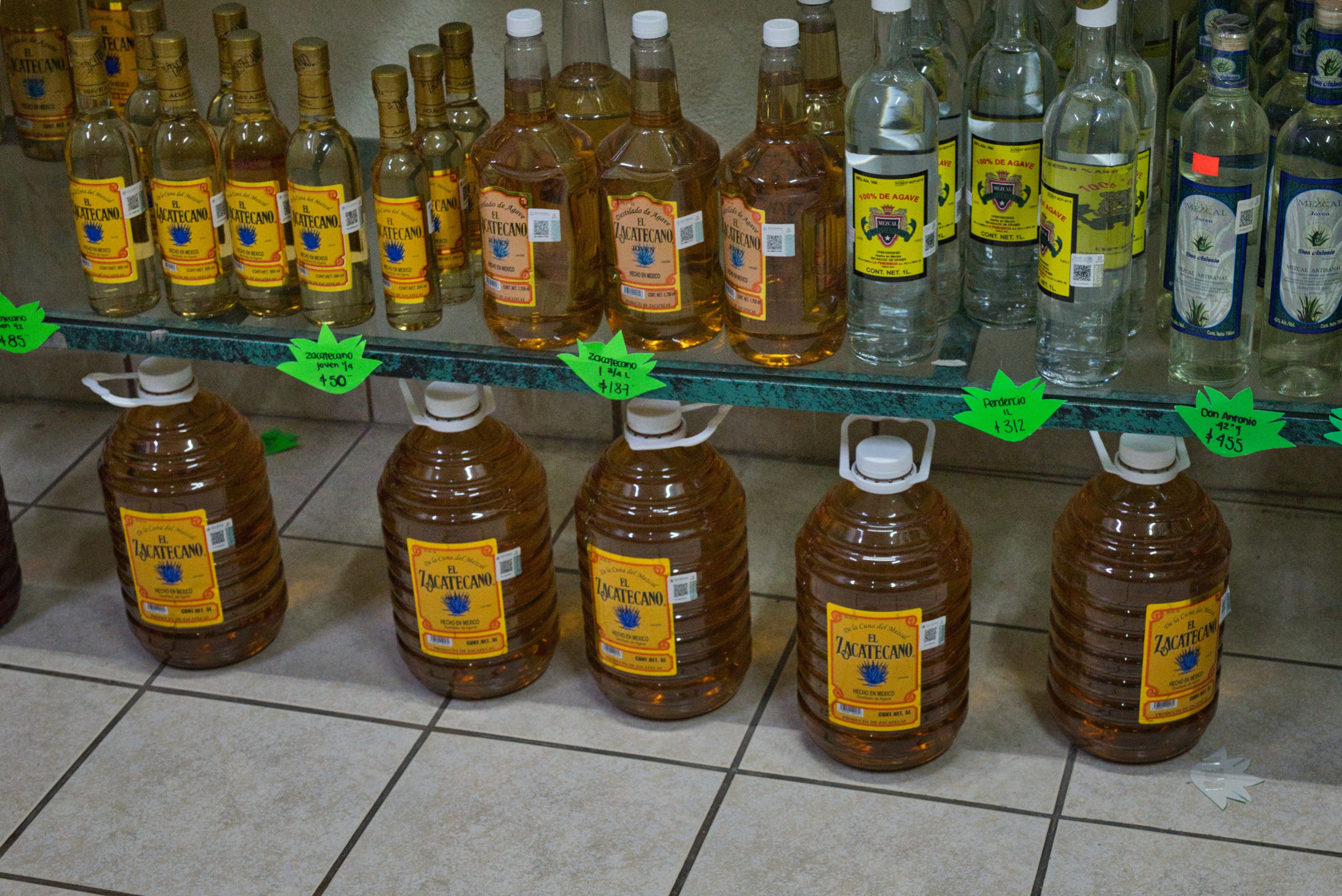
Although Zacatecas is a regional tourist destination, there wasn’t much evidence of it while I was there—except for the endless liquor stores selling cheap 38% “Mezcal” to tourists. And it’s made from blue agave, making it taste more like tequila than the real thing. One brand goes for 79 pesos a bottle. What is it about tourists and cloyingly sweet, inauthentic swill? Seems to be universal. Do people leave good taste at home when they travel?
Zacatecanos are honkers. They love leaning on the horn in traffic. It’s a bit of a jolt after being away from the obnoxious horn heavies in the U.S. The state accounts for 1.3% of Mexico’s population, yet 6.1% of Mexican migrants come from Zacatecas—apparently the U.S. is where horn training begins, and returnees show off their newfound skill.
One final observation is that many restaurant owners in Zacatecas are creative in naming their businesses.
Expenses: Room was 1,400 pesos, breakfast 155 pesos, and dinner—Zacatecas’s signature dish, mole-inspired wedding stew called Asado de Boda—came in at 237 pesos. Retail pink cantera in the U.S. runs about 8–20 USD per square foot.
Still not a Gringo in sight. Where are they hiding? There’s no City Market here. Hmmm.
Tomorrow: Callejoneadas and La Bufa.