

I woke for my first day of discovery of this fascinating place. A place soaked in history — sodden enough that I extended my stay by another day. And it turned out that was still a day short of being just right.
The place I’m staying doesn’t have a lock on the entrance. Shortly before I arrived, the owner’s father died, and she left for the funeral. I guess there was nobody second-in-charge. The other guest, who visits frequently, says it wasn’t a problem. People don’t break into houses here. I went with the flow. What else was I going to do, call Security?
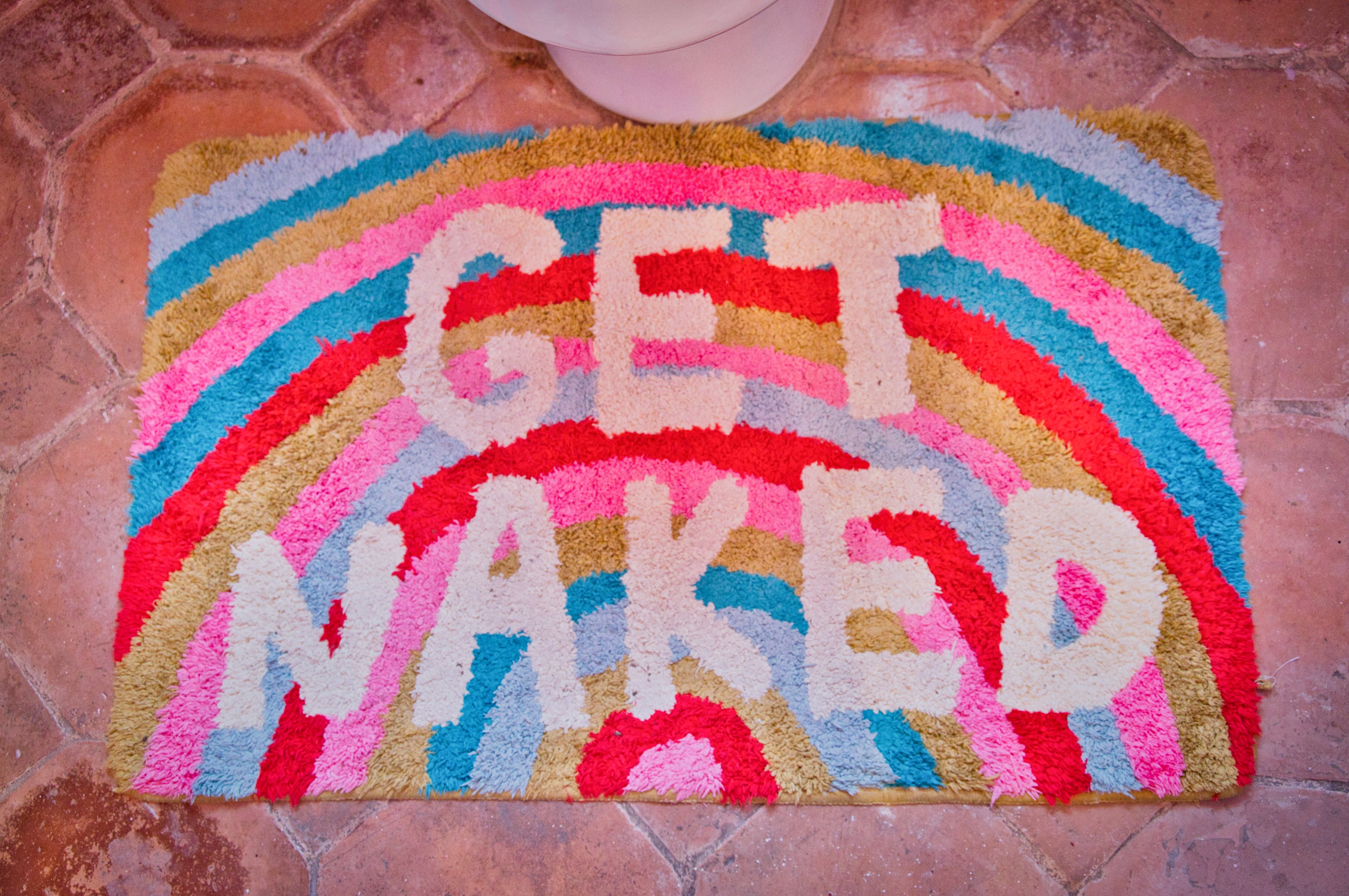
The wiring in the bedroom was superb. The electrical components and craftsmanship in the bedroom were special, and the bathtub plumbing was classic. I didn’t have a chance to make dinner on the two-burner stove, but the other guest said it made superb tea. The décor is whimsical, reflective of the artistic musician who inhabits this home.
I would have liked to have met her. Mexican, born in Real de Catorce, she moved to Denmark with her family when she was 10. She came back for a short vacation 18 years later and never went back.
As an aside, the previous night’s cackles were coming from over my backyard wall. It turns out it’s a full-blown chicken rancho.
Long before the Spanish found silver here, the Wixárika (Huichol) people considered the entire surrounding desert — known as Wirikuta —their most sacred territory on earth. The Wixárika people still make annual month-long pilgrimages of up to 400 km from their homelands in Jalisco and Nayarit. Along the way they search for peyote (the sacred cactus they call jicuri) and commune with their deified ancestors. It’s a big deal.
Real de Catorce was founded in 1779 and quickly grew. Estimates are that 15,000 to 40,000 people moved in to support the booming silver mining business. Being so isolated, it had no real roads, no water supply, and no government. It was miners, suppliers, swindlers, and, while I wasn’t there, probably a respectable number of working ladies.
So, why “Real de Catorce”? Translate it to English, and it’s “Royal of Fourteen,” with three competing stories: either 14 Spanish soldiers killed by Indigenous warriors, or 14 notorious bandits who lived in the area, or the lucky 14 prospectors who discovered silver here around 1772.
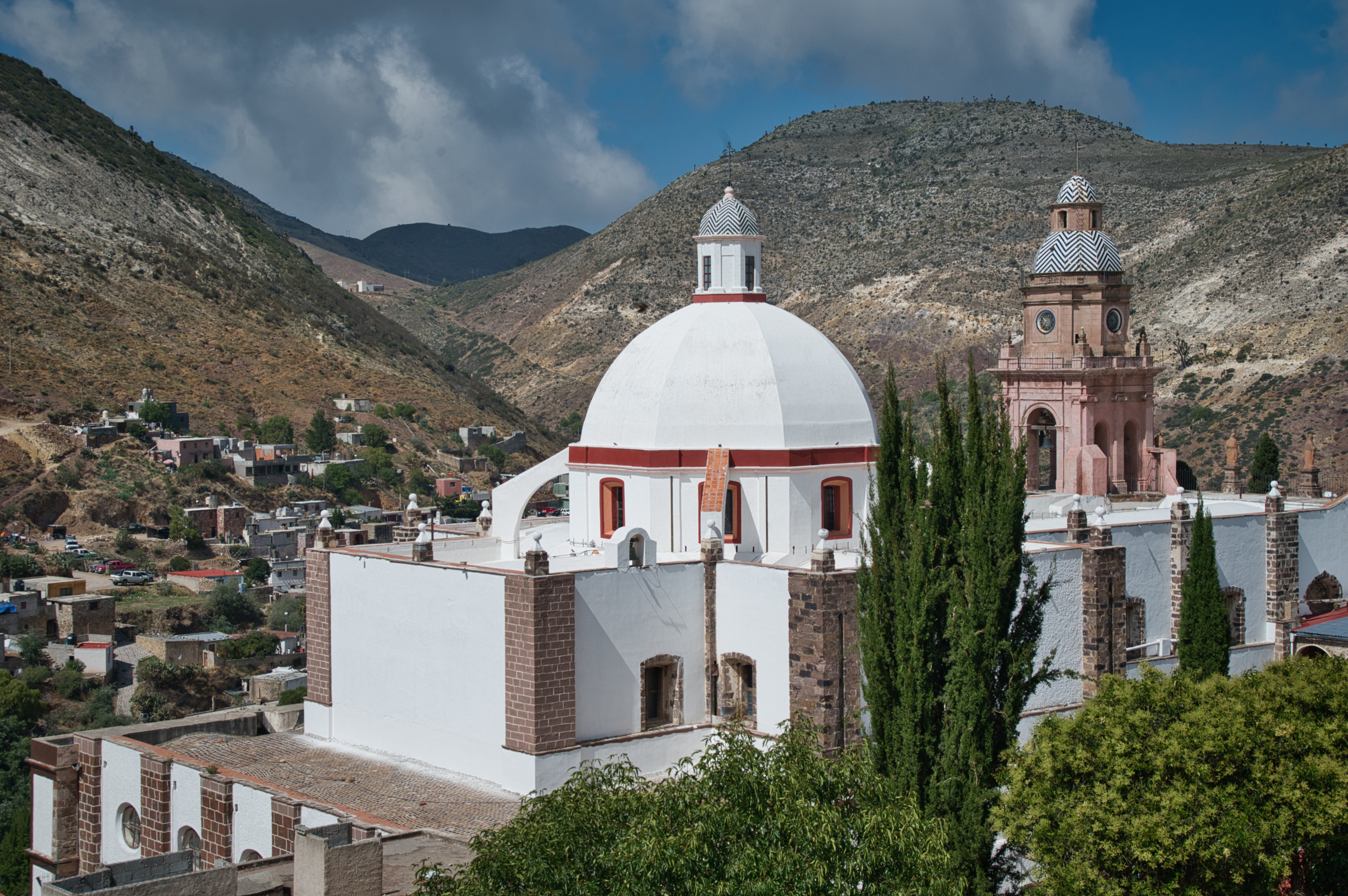
As I learned during my visit, the fun all ended with the collapse in silver prices at the turn of the 20th century, followed immediately by the Mexican Revolution (1910). Real de Catorce is now Mexico’s most famous ghost town, a designation it well deserves.
The resurrection began in the late 20th century when bi-coastal, effete, Harvard Liberal Arts graduating, trustifarian explorers, NPR-listening urban backpackers, neo-quasi-spiritual seekers of peyote, and Trip Advisor Experience adventurers found the place. But enough fun bouncing on these people. In its present state, it is a cozy historic village of about 1,100 people, split between Spanish and Wixárika heritage. In serious recognition of this truly wonderful place, Real de Catorce was the second town in all of Mexico to receive the Pueblo Mágico designation. Bonus points if you know the first. I don’t.
Odds Facts About Real de Catorce:
*Two unrelated religions make simultaneous pilgrimages to the same place.
* A Cockfight Arena that looked like the Coliseum
* Cerro del Quemado, just outside of town, is the birthplace of the sun, according to Wixárika cosmology. And the Wixárika are in charge of things in this area, so what they say goes. Seriously, this is a very spiritual place.
* The Indigenous Miners’ Life Expectancy Was 30 Years
Tonight’s meal included an appetizer of Cabuche, the unopened flower buds of the red biznaga cactus. It is a seasonal delicacy in the deserts of San Luis Potosí and Zacatecas. Sauteed, they had a tender crunch and a slightly acidic, earthy, and sweet flavor similar to artichoke hearts. Truly special. Truly local.
Returning to my room, it didn’t matter that I had forgotten my keys. I just walked in and found them on the nightstand. Nice to not have to mess with locks. Wake me in the morning, chickens.
Today’s expenses: 187 pesos for Enchiladas Potosinas, room at 1,200 pesos, and dinner with a side of Cabuche and a Mezcal, $345. A one-day pass at Disneyland is $120 to 200 USD.
Such wondrous writing Randy - so good I often read it twice