
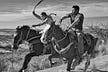

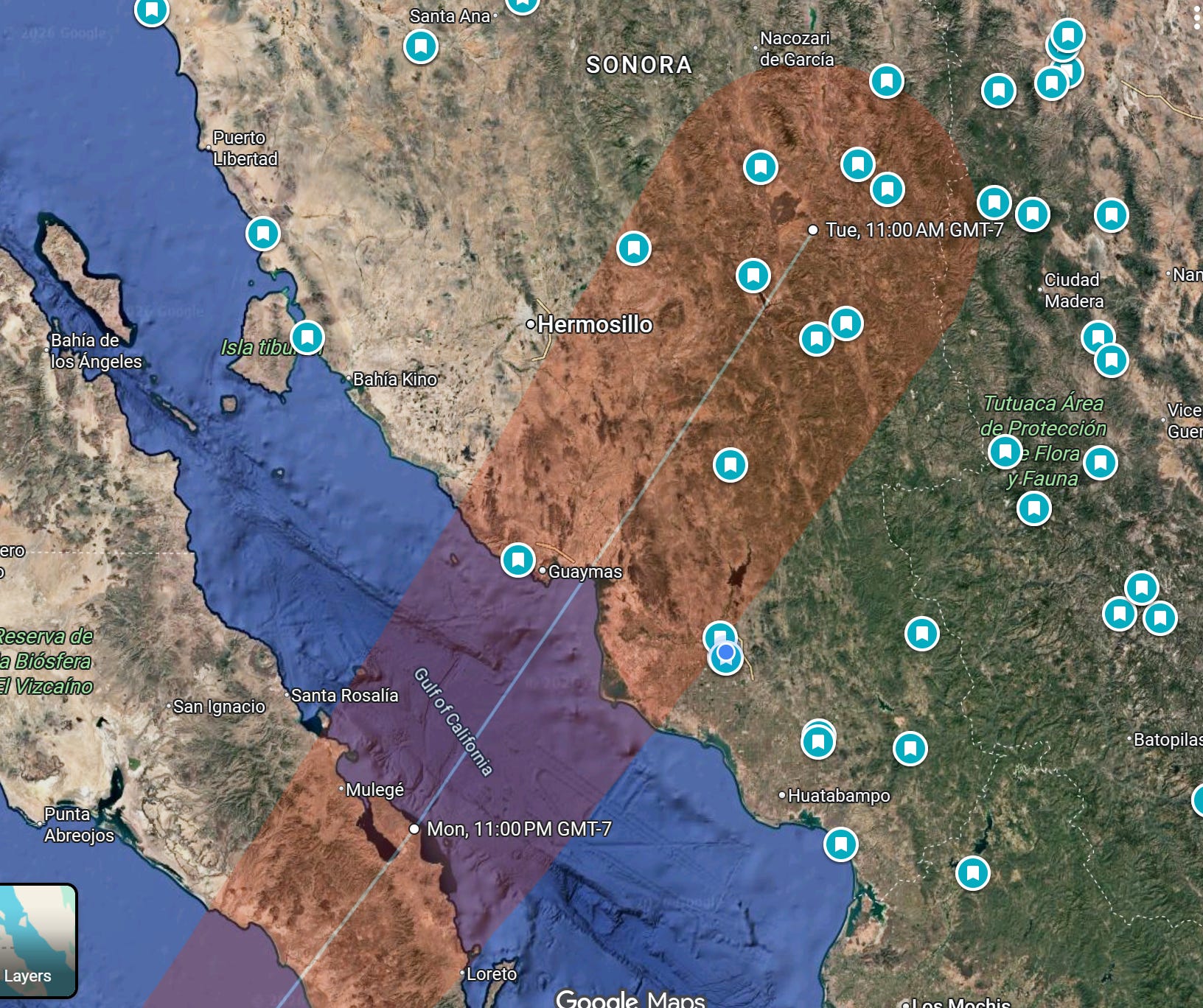
My latest Hurricane Polo strategy was to ride to Ciudad Obregón, spend the night, and then ride to Guaymas the next day. A mighty fine plan, but the storm slowed by a day, and I had to wait it out another day. I really wanted my time in a fishing village. But wait, Randy, aren’t fishing villages, by the nature of their location, always flat as a flounder, and wouldn’t that make one conclude that just because the storm is past, the flooding might not be? Time to spin the wheel and re-plan the plan. More on that tomorrow.
In moto adventure photography, the road delivers the photos to you. You always need to be looking, and when you see something, without hesitation, brake hard, pull over (then glance behind to see if it was safe), and shoot. Take the photo you can, not the photo you want. This morning I got to take the photos I wanted.
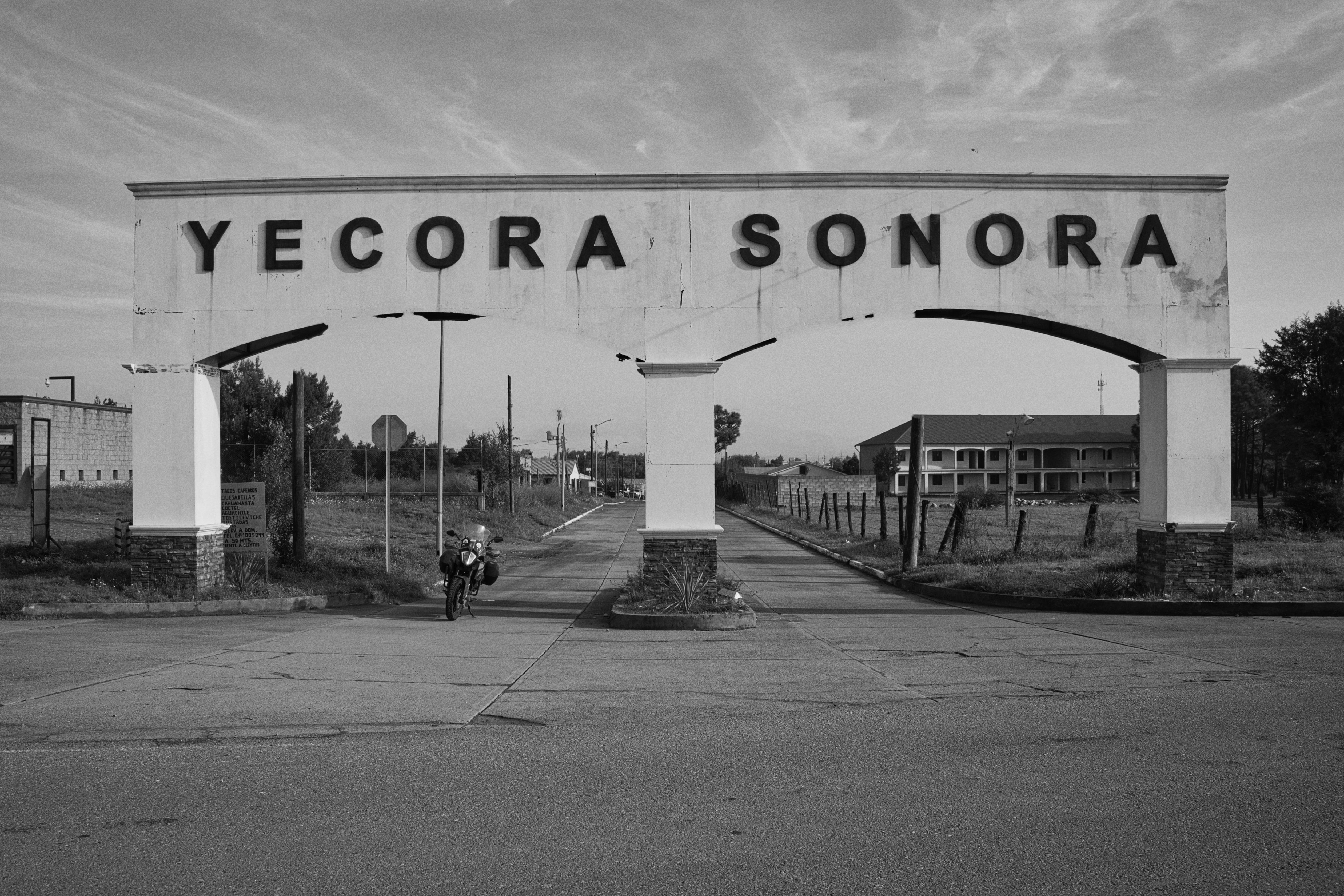
Rolling out of Yécora early Sunday morning was a very quiet affair, as I climbed down the mountains.
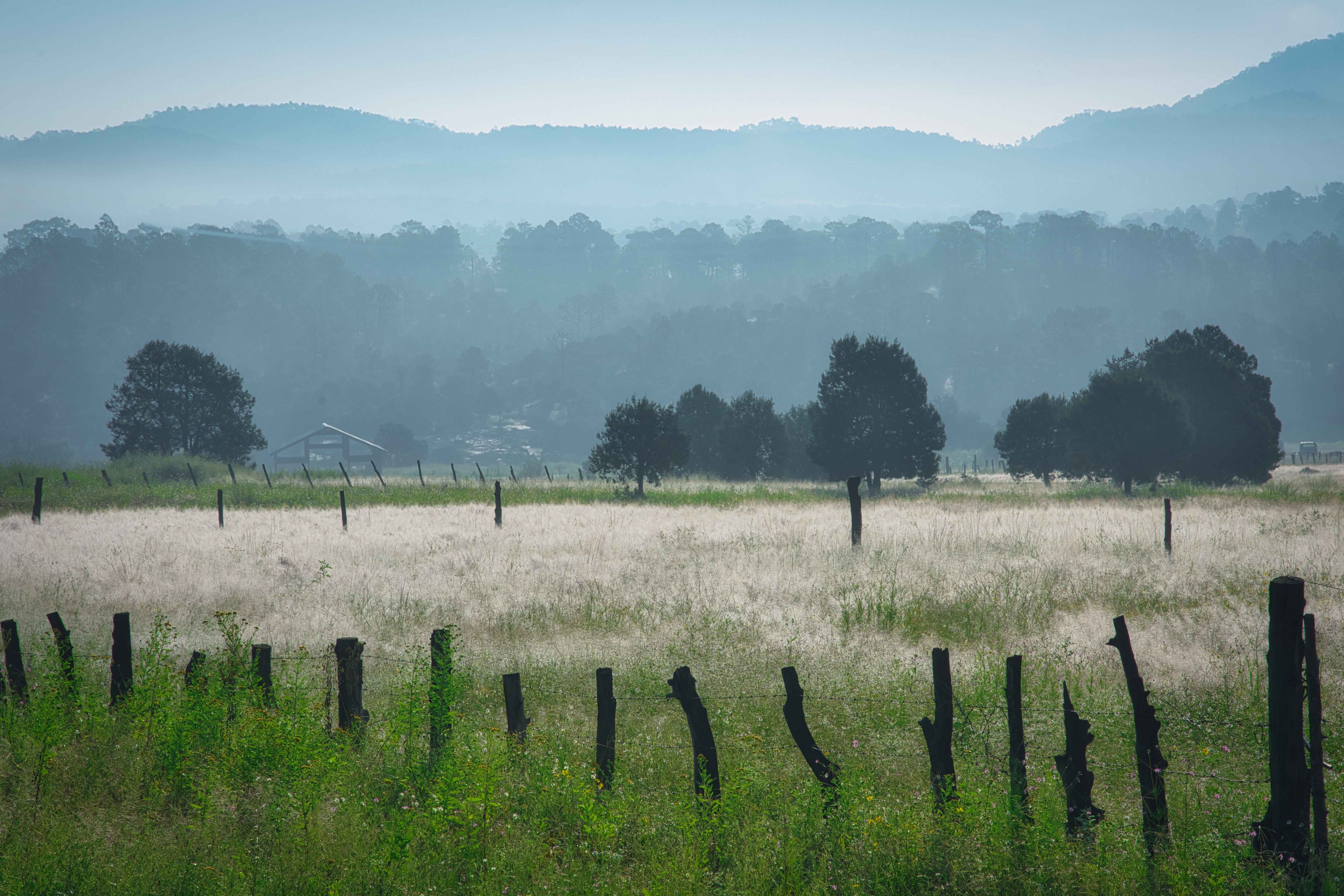
The terrain was subtly different, with more abrupt mountains and longer views.
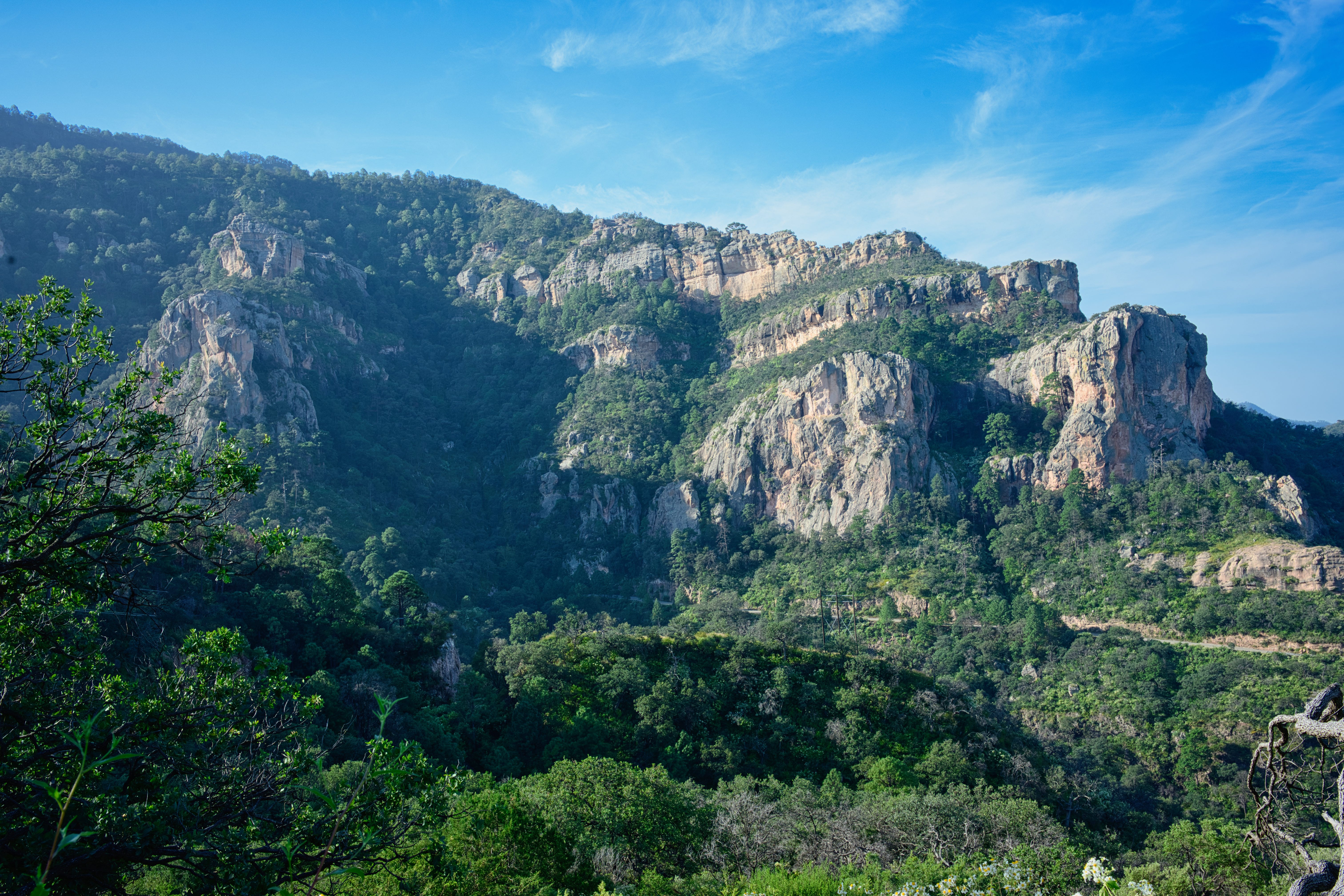
Still, lots of water was flowing and the rainy season had brought enthusiastic greenery. I rounded a corner and was about to stop for a shot when I came upon a group of men, all huddled together. Not one of them returned my friendly wave. Either they were having a bad day or were interested in me having a bad day. I decided the photo wasn’t going to be that special.
Again, as on the way up the day before, the road was very narrow and the roadside vegetation thick and tall. But then the road surface abruptly changed to concrete, with three wide lanes and a wide shoulder. Odd to have a three-lane configuration, and who the hell found the budget to build such a high-dollar road so far from the city? Coming around one of the first bends, I took my eyes off the scenery and found a road full of rocks.
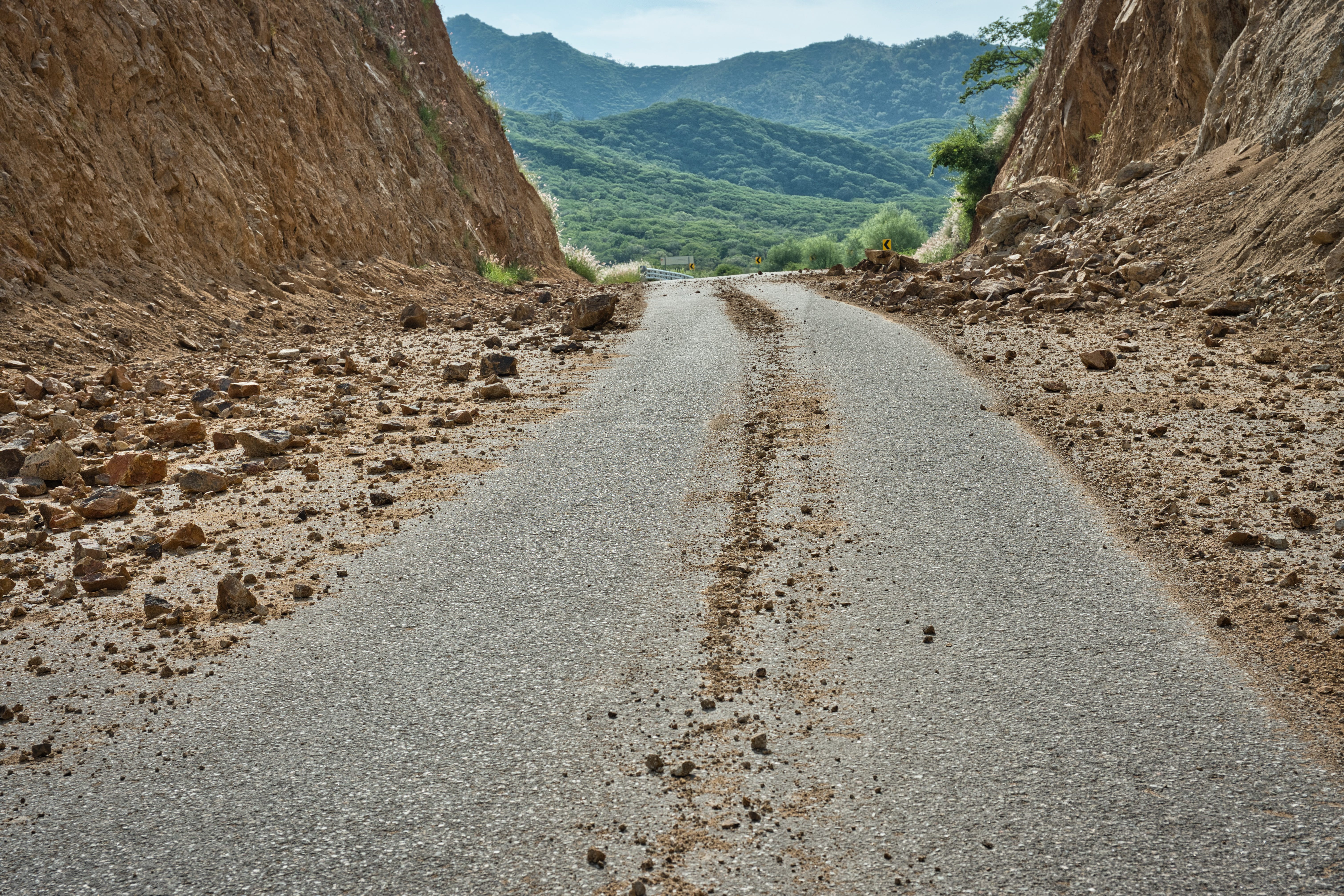
A recent rockslide had debris across two of the three lanes, leaving room to ride around the rock salad. And then another rock deposit a few corners further. So that’s why it’s a fancy wide road: so it could remain passable during monsoon season. In one corner, rocks covered the entire roadway, but someone/some people pushed enough rocks aside to create two-wheel paths so you could pass. There had been slides on both sides of the road.
I had to stop and take many photos. The best shot would be from the downhill side of the road, so I had to walk the entire debris field. I was about three-quarters of the way through when I heard a noise from above. It was a mini-slide of rocks. Luck was with me: my camera settings were perfect, and I swung it into position for some fast shots. I nailed it and realized I didn’t need to get to the other side. I had my shot, and the hillside showed me signs of instability.
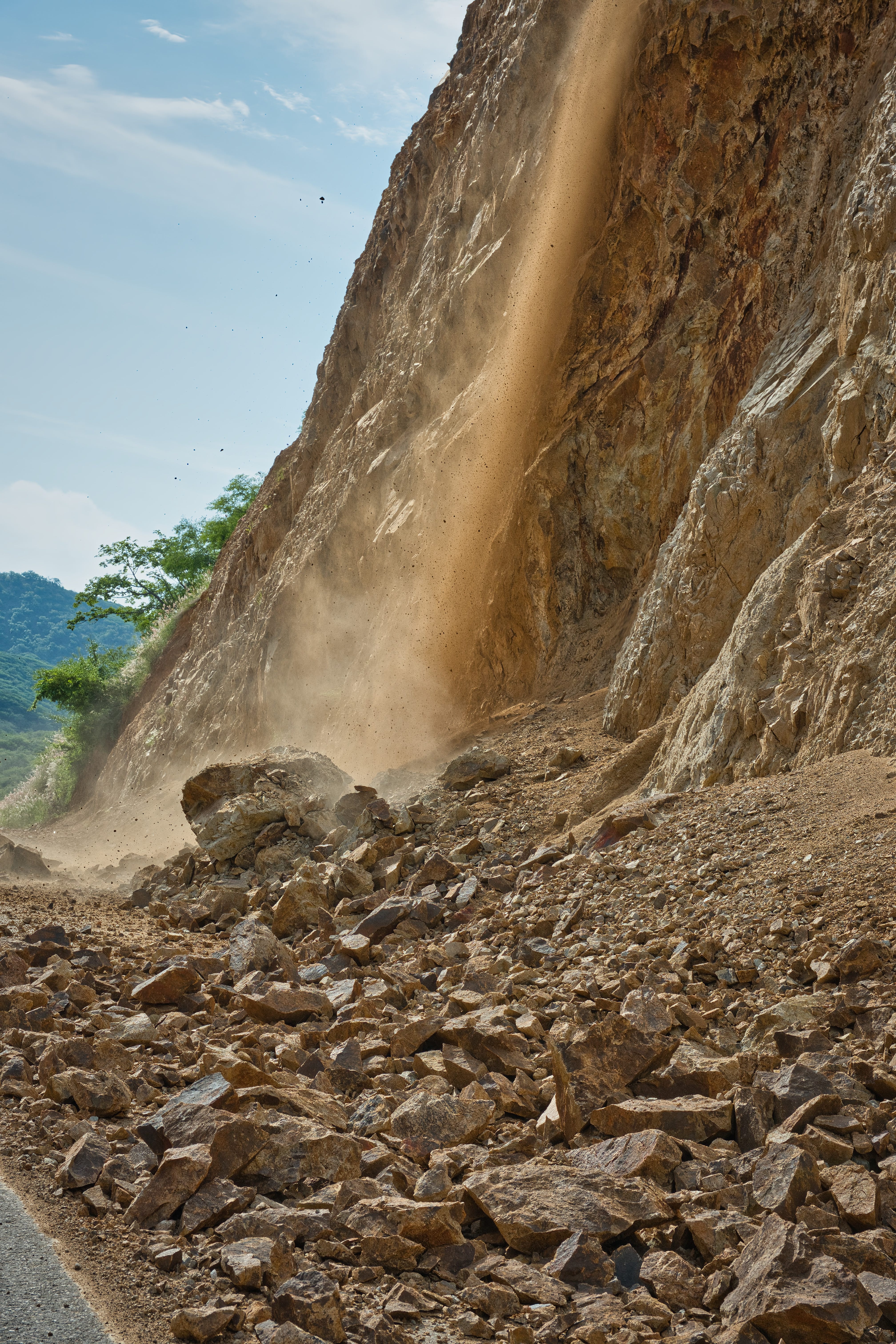
This photo was taken at 55mm, so I’m up close to the action.
My primary mission today on the way to Obregón was to locate an artisanal Bacanora maker. While Chihuahua has its Sotol, Sonora is home to the agave spirit Bacanora. Bacanora was illegal from 1915 to 1992, and its makers were outlaws who hid their stills in remote canyons. It is made only in Sonora, and much of it is drunk locally rather than formally bottled—or taxed—which means you have to go direct. That guarantees it’s the good stuff at 45-50% alcohol, not some diluted commercial crap.
It is made only in Sonora, and much of it is drunk locally rather than formally bottled—or taxed—which makes the good stuff hard to find
Broadly, it’s a Mezcal: Agave Angustifolia hearts roasted in a pit, crushed, fermented, and distilled. But it has its own Denomination of Origin (DO) covering about 35 municipalities in Sonora. It’s named after the town of Bacanora, in the mountains east of Hermosillo. Bacanora lesson completed; now time to find some.
My target was Rosario Tesopaco, a serious Bacanora distilling municipality. So serious, they have an annual Bacanora Fest. I quickly located the town square, parked under a shade tree, and then did nothing. Okay, I drank water and folded my socks. This elaborate strategy has never failed. Only minutes later, Salvador walked across the street from his home and introduced himself. He spoke limited English but plenty for our conversations, aided on occasion by Google Translate.
He had a son attending University in Oregon, studying graphic design. He wanted to show me something and asked me to wait until he retrieved it. He brought back a blown-up cover of a recent Vogue Mexico magazine. He said that his son had done the design.
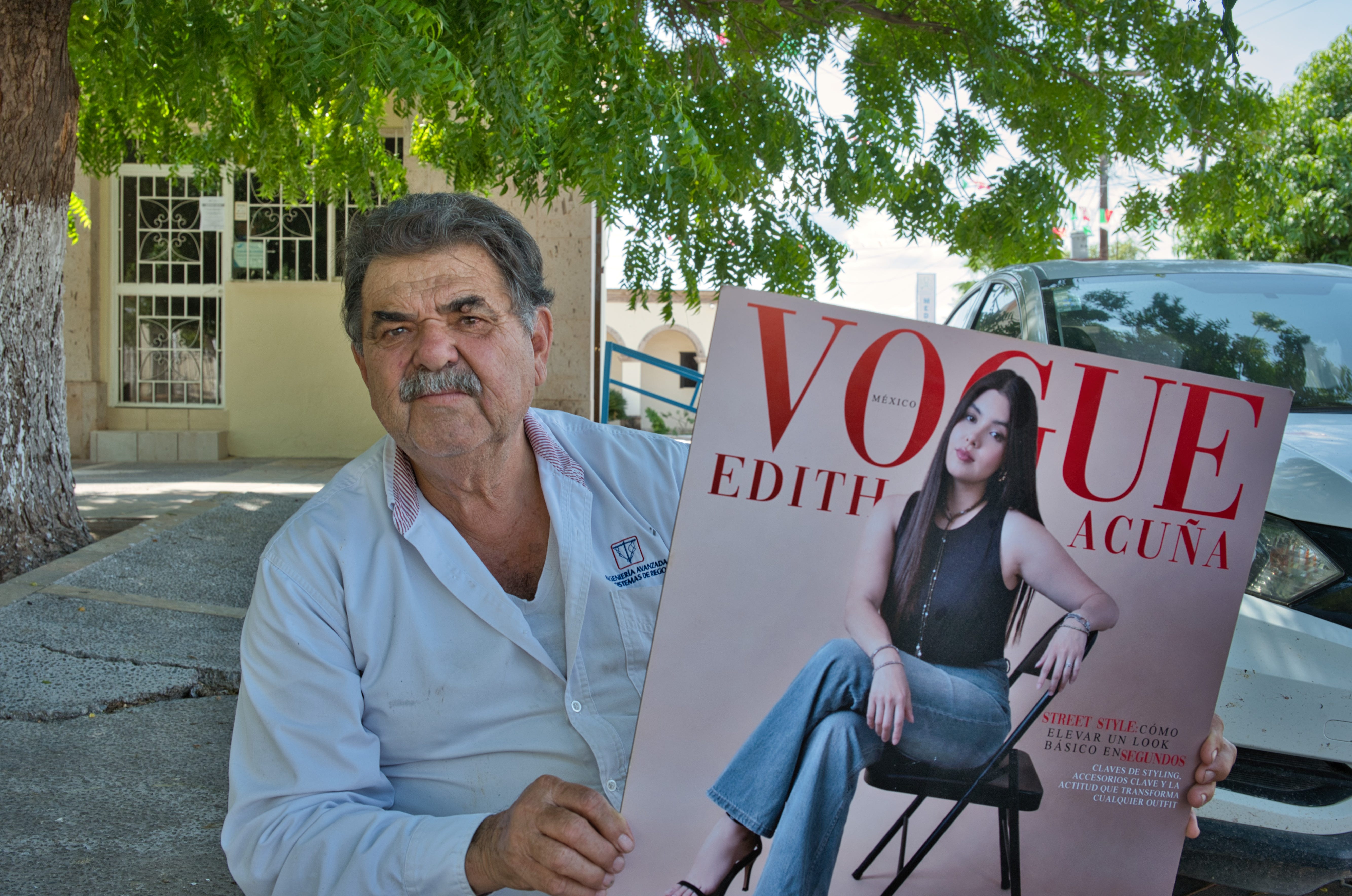
He disappeared again into his house for a couple of minutes and came back with a cold beer for me.
The talk then turned to his cheesemaking business. He had studied in Querétaro. “I have a Brahman herd because they tolerate heat and their milk is particularly high in protein.” He was proud to show pictures of his massive cows.
Again, he told me to wait while he went inside to get something. Five minutes later, I had a full plate of semi-soft cheese and homemade flour tortillas just off the comal. Damn, that was a fine breakfast.
Now we could get down to business and talk Bacanora. He made a few calls, but nobody was picking up their phone on Sunday morning. Finally, he found his guy, and guess what- would I mind waiting a few minutes? Rubén arrived, and we talked Bacanora. His daughter Alejandra Peñuñuri had broken into the male-dominated business of making Bacanora, and he was a proud father. Now he works for her, an unusual twist for Mexico.
He pulled out two one-liter bottles of her La Carabina and asked for 600 pesos. Sinfully cheap for such a rare liquor. To me, the tasting notes were mineral, herbal, peppery, and desert-vegetal. Too me a more grown-up tequila.
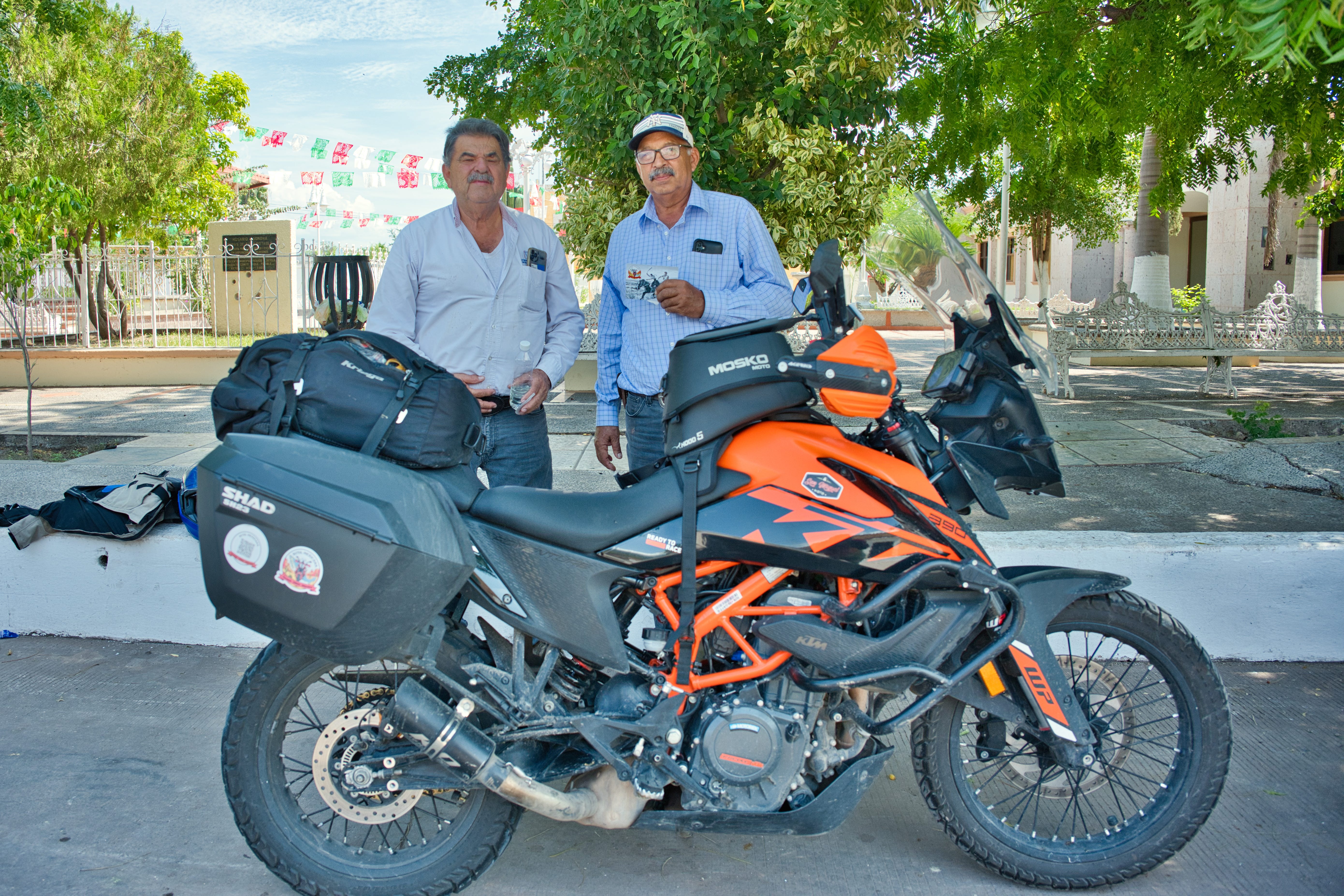
After the long goodbye ritual, I remounted, riding west of Rosario Tesopaco, where the foothills begin to flatten out to the Yaqui Valley. The curves unwind, the elevation fades away, and cultivated land and long straight roads take over.
On one of these straight roads, I stopped to do, what else but take a photo. Two guys rolled up beside me in their new BYD. What the hell did they want? Well, to tell me I'd passed them on the way out of Yécora and they'd finally caught up with me. We wished each other well in our travels. They got a postcard.
This was to be my second night in a franchise box hotel. I go hard on these soulless places, the IKEAs of overnight lodging. But periodically they serve their purpose. They have proper coffee so that I don’t have to dump my coffee crystals into an empty water bottle and then fill it with hot-ish shower water. I can go through the breakfast buffet and eat in ten minutes, not the usual 60-90 minutes at a local small-town restaurant. And they are located around lots of stores that might have something I need, like, say, a new laptop charger.
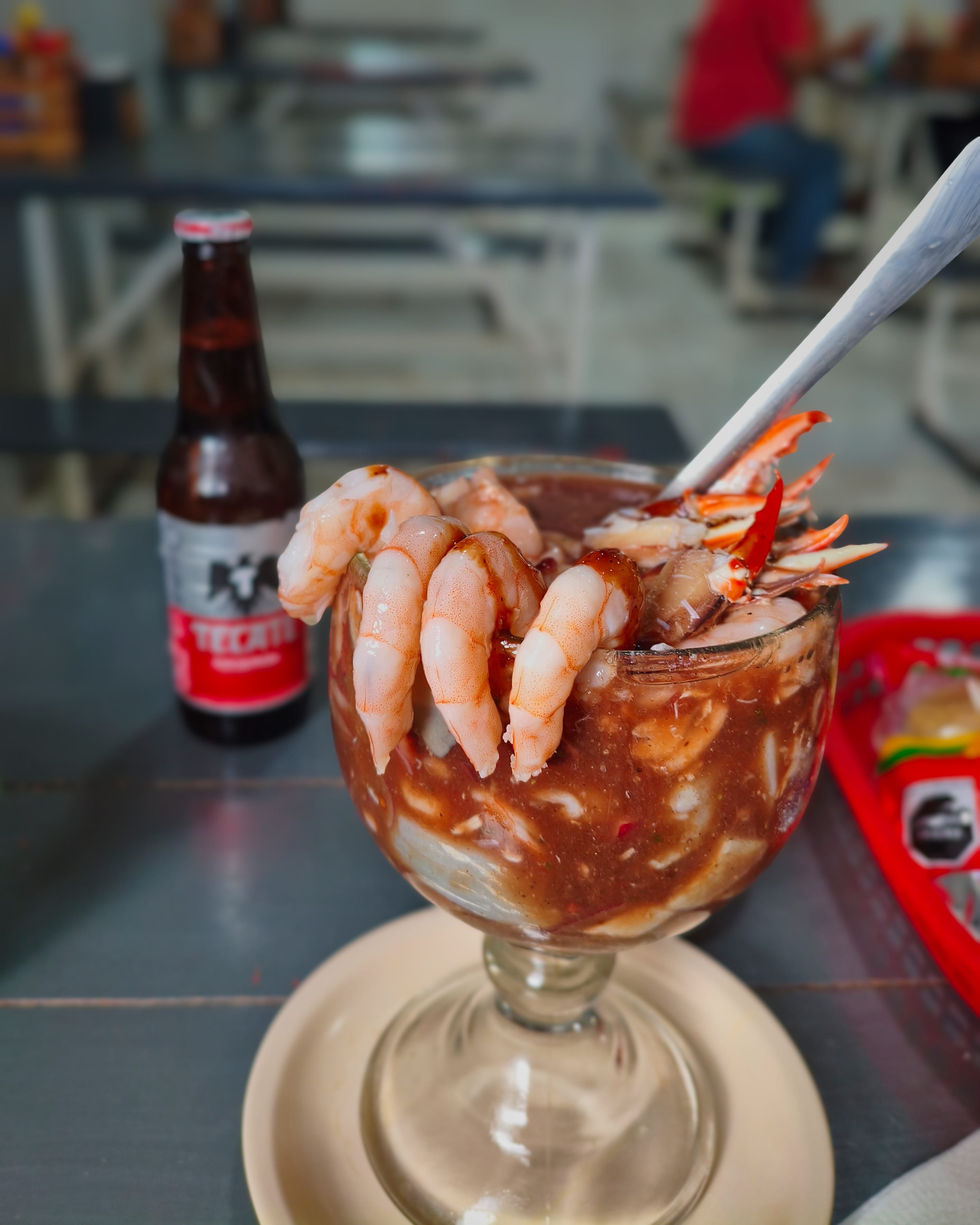
What the box lacked in ambiance, Mariscos Carlos had in spades. I walked in, and the place smelled of the sea. I ordered a large campechano (shrimp, octopus, and scallop cocktail) and it couldn’t have been any finer.
An ancient man entered the restaurant, assisted by a stranger who got him through the door and sat him at a table. This guy ordered a shrimp cocktail grande. He promptly tore through it with the gusto of a campo dog, but not before dousing it heavily from three bottles of picante salsa. He ate like it was his last meal on earth. In his condition, maybe it was.
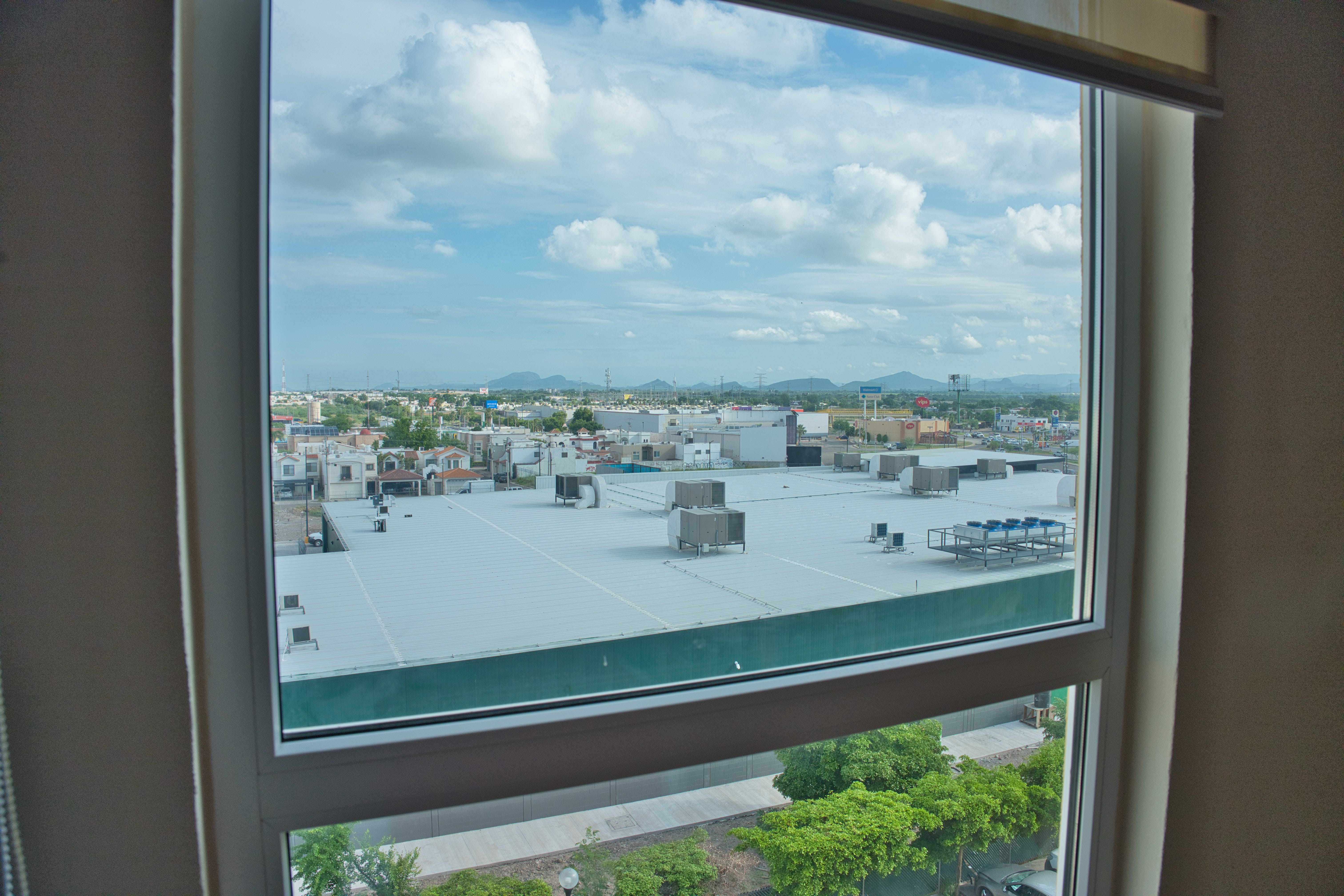
Back at my City Express by Marriott, I’ve held off using these overused superlatives, but I can’t hold back any more. The view from my room was, in turn, amazing, magical, charming, authentic, breathtaking, and an unforgettable hidden gem.
Ciudad Obregón annual rainfall: 384 mm (15”)
Altitude: 40 meters (130 feet)
Distance ridden: 2,310 kilometers
More Photos
Day 10 Cuauhtémoc, Chihuahua to Yécora, Sonora

Leaving Cuauhtémoc, I saw a huge grain elevator badged with the brightest-red Coca-Cola logo. Grain elevators weren’t really designed to be seen; their form strictly followed function. Gray is their natural color except when Coca-Cola writes a check and throws in a free paint job.