
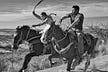

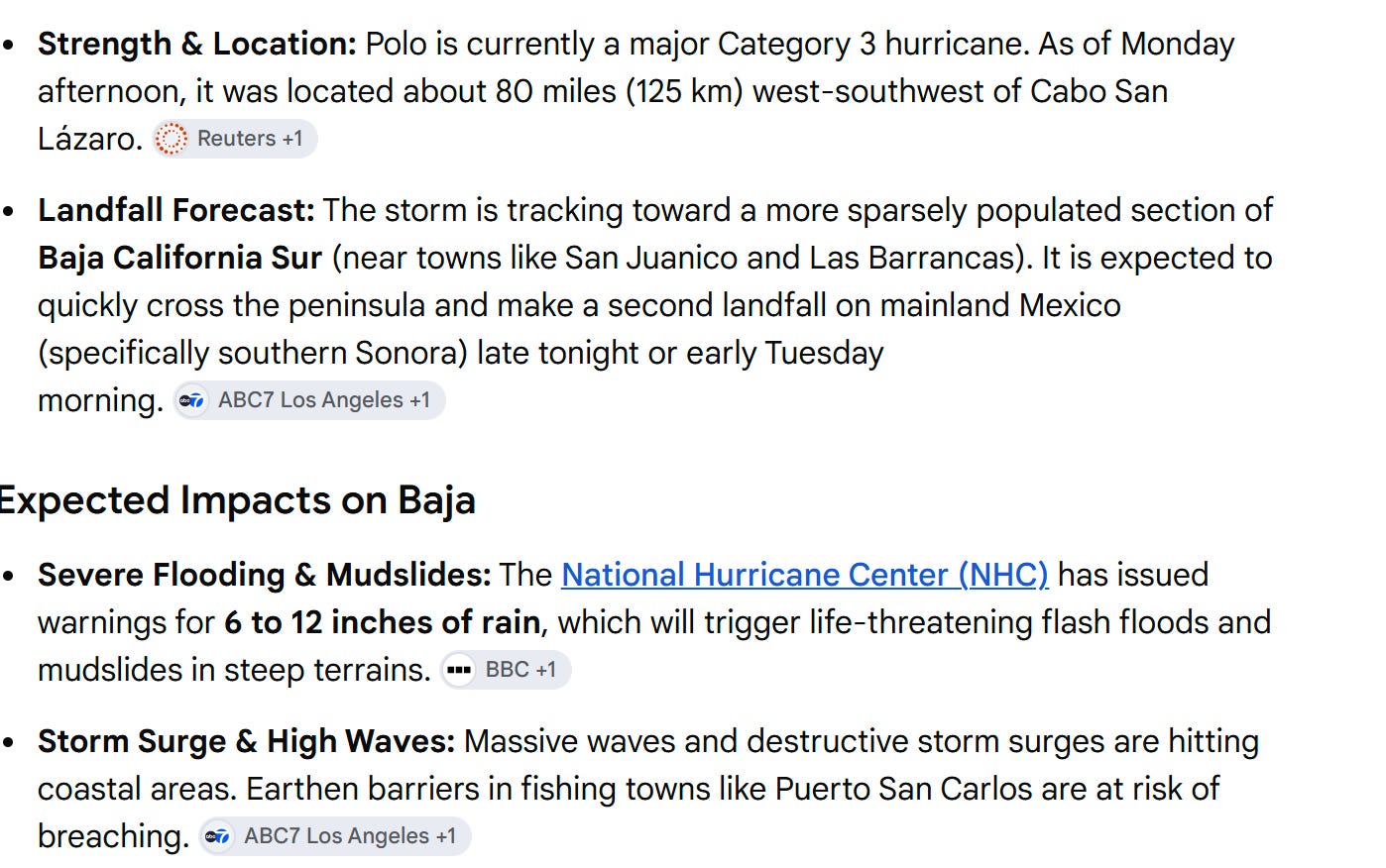
Hurricane Polo had topped out at 180 mph and was coming my way. It was crossing Baja and was expected to lose strength before making the short crossing of the Sea of Cortez. Weather had become a significant factor in this trip. Monsoons I knew and had prepared. A hurricane wasn’t in my planning.
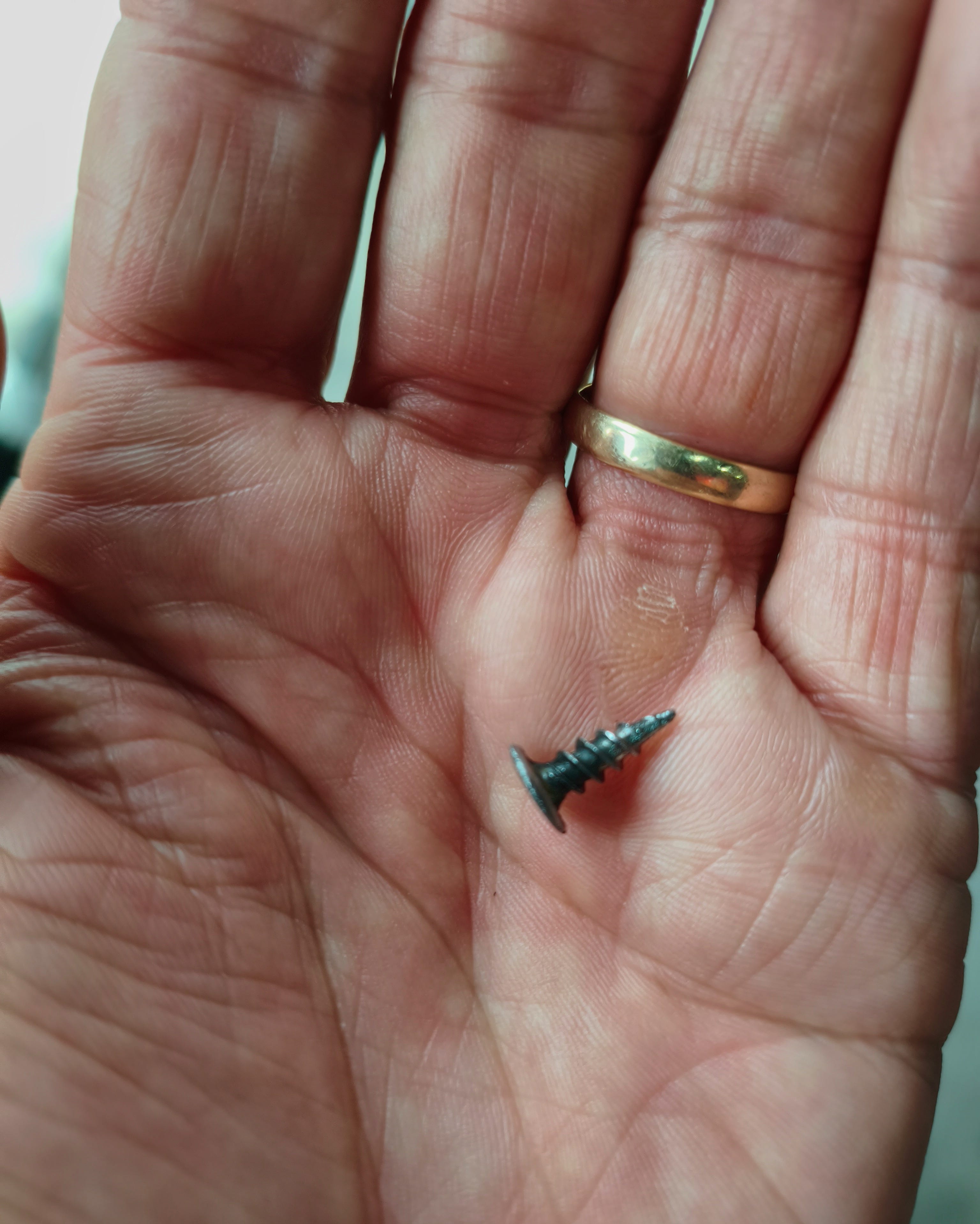
But first I had a more immediate problem: that of a metal screw embedded in what had been my new rear tire. I’d spotted that bastard a couple of days earlier. Before heading on, it seemed wise to remove it.
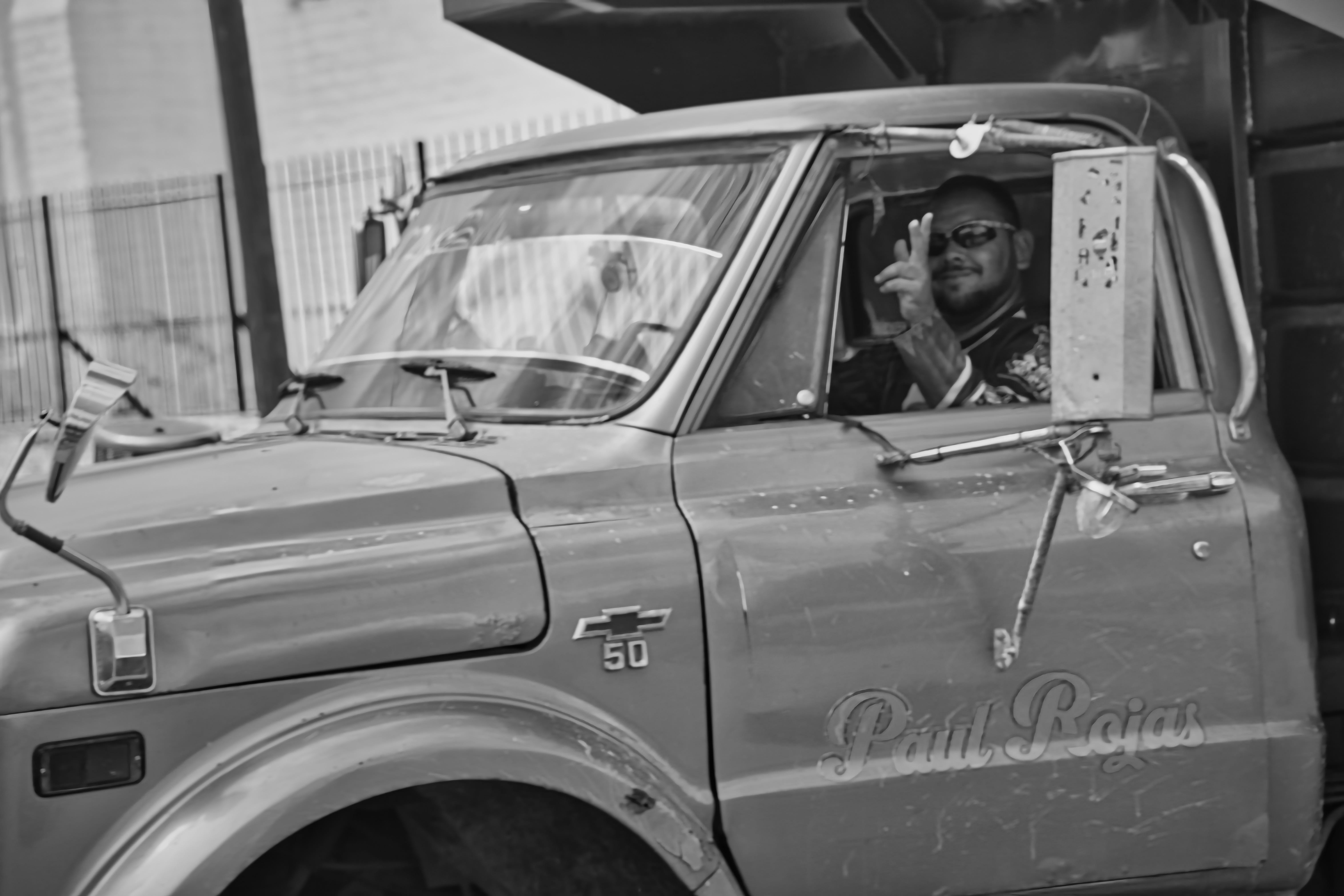
Motorcycles break down, and their tires go flat. On a remote mountain road in Mexico, being stranded turns a good day into a seriously bad affair. Getting the bike and gear back to town is a big deal. Finding a competent mechanic and the right parts is even harder. Not a lot of orange bike shops in Mexico. That’s always in the back of my mind. I’d hope to find someone like Paul (and his truck).
Back to my screw removal, I scanned Google Maps and found a place nearby with a reviewer explaining, “I took it to get a new inner tube installed and they just patched it up, charging me as if they’d installed a new one—a total rip-off”. I took that as a good sign. At least they knew how to patch a tube.
Then I thought of Alberto. Being a motorcycle tour leader for decades, he knows people all through the Americas. Sure enough, he had a buddy who lives near Obregón, and Alberto quickly chased down a referral to a good local shop.
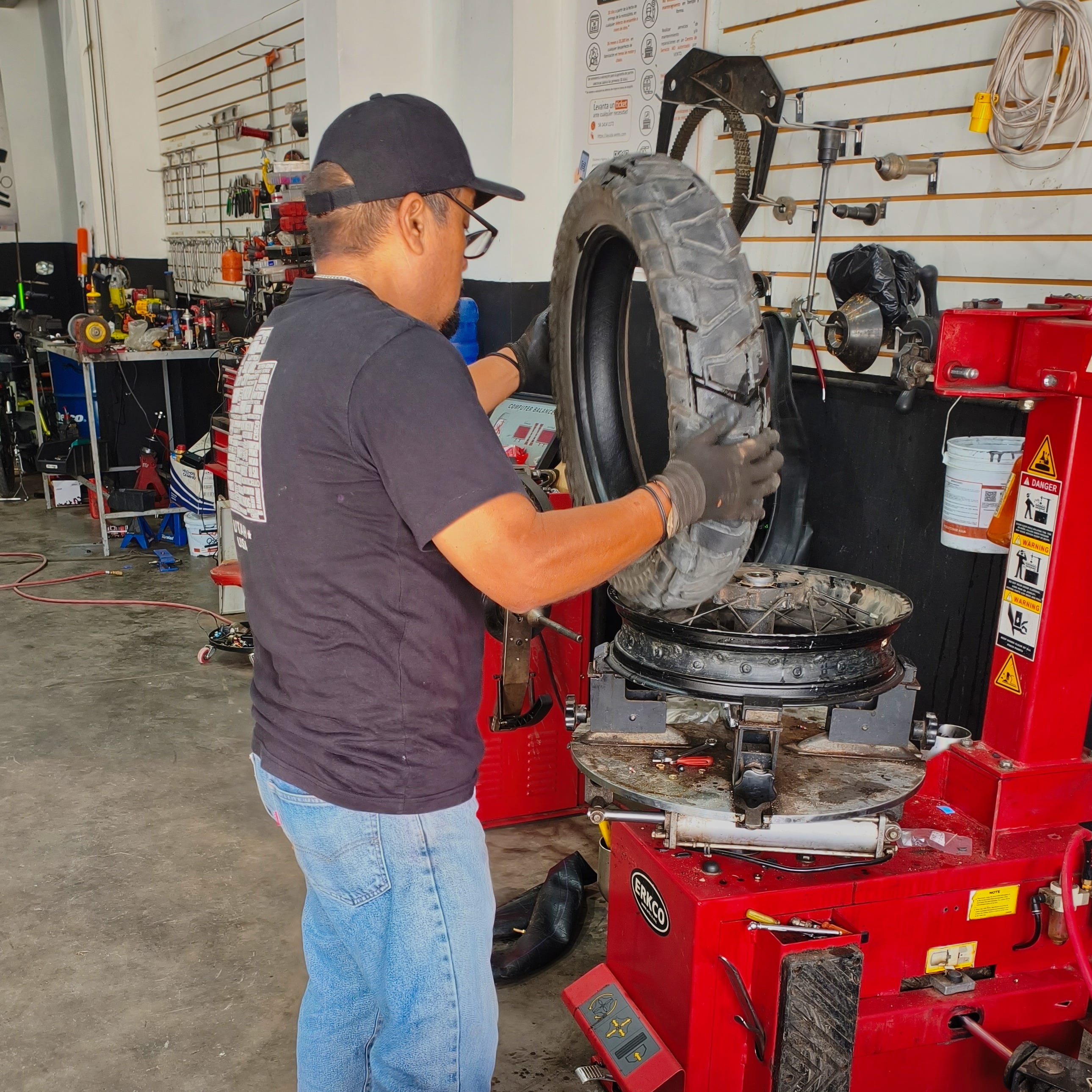
It was a top-notch moto shop, well stocked, with knowledgeable counter staff and an ace mechanic in the shop. Unlike in the U.S., where lawsuits would be underway if a customer was found in the shop area, I hung out and watched the guy work. It was a pleasure to watch a skilled tech ply his craft. Tire repaired, chain lubed and adjusted, everything wiped down spotlessly clean, and I left confident. He got a 50 peso propina. He had a look of surprise, but nonetheless pocketed it and nearly almost smiled. Mechanics prefer machines to people. I’d know. I was one for a while.
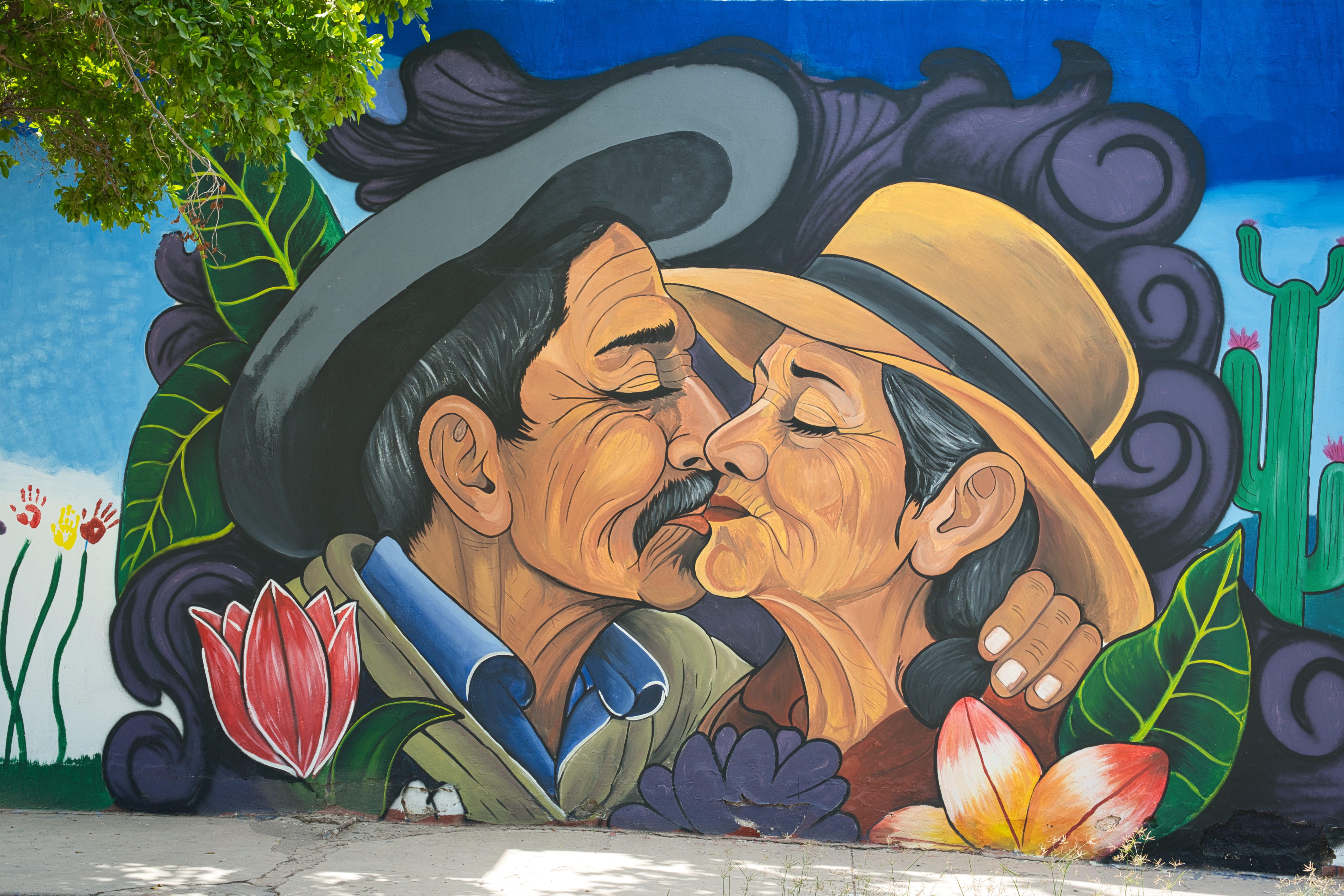
Against already-roiling skies, I rode out of Obregón through the Valle del Yaqui. It’s a huge irrigated farm plain, along the lower Río Yaqui between the Sierra Madre foothills and the Gulf of California. It’s flat, gridded with canals, and is richly productive, often called Mexico’s breadbasket.
What makes it special is that the world’s Green Revolution, as it came to be known, started here. In the mid-1940s, Iowan Norman Borlaug ran wheat breeding tests outside Ciudad Obregón. He created high-yield semi-dwarf wheat varieties that made the fields far more productive. Later, those new varieties saved India and Pakistan from mass famine. Today, the hand-wringers would scream GMO and probably shitcan the whole project!
Before the plant geneticists and large farm operations, this was Yaqui country. The valley bears their name. They fought the Spanish, then the Mexican state, for roughly 400 years. Under Porfirio Díaz, thousands were deported to the henequen haciendas of Yucatán, which amounted to slave labor.
The river that made the valley rich was historically theirs, but much of its water is now diverted to agribusiness interests. The fight for rights continues.
For my paleta (popsicle) break, at Navojoa I detoured to Pueblo Viejo, the original town, Mayo mission country on the riverbank.
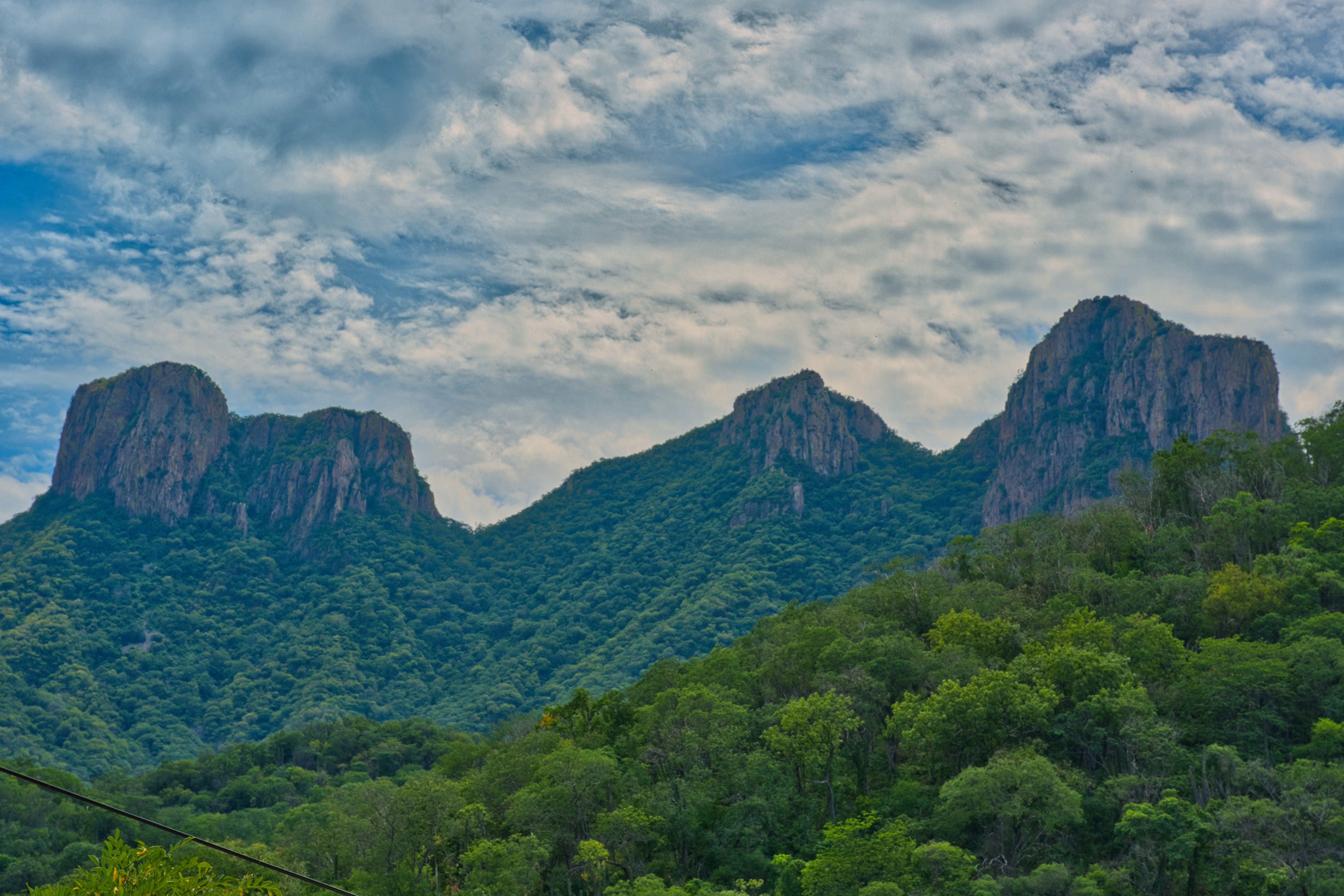
The flat fields gave way to thornscrub and foothills as I gained altitude, then to deciduous forest scrub. Above town, the Sierra de Álamos rises into an evergreen forest, with pines and oaks on the high ridges. The Sierra de Álamos is the northernmost tropical dry forest in the Americas. Jaguars!
Álamos got its name from the álamo trees - cottonwoods or poplars - that grew in groves along the local streams and arroyos. The full early Spanish colonial name was Real de la Limpia Concepción de los Álamos, essentially “Royal Mining Camp of the Immaculate Conception of the Cottonwoods “.
Arriving late afternoon, I rushed through my ritual unpacking ceremony. I needed to walk the town tonight; tomorrow might not be dry.”
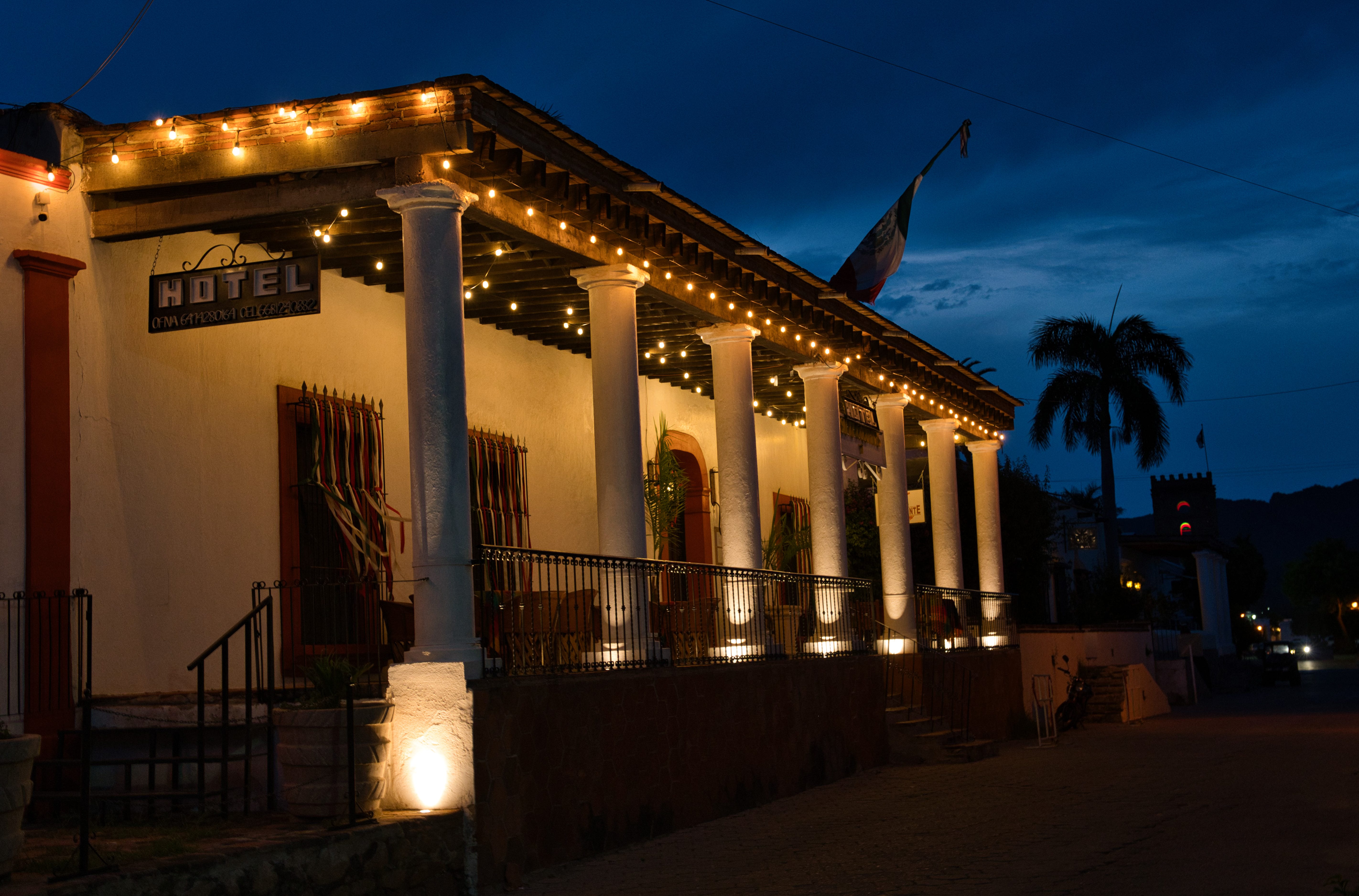
I already felt an atmospheric unease, and saw some were making advance preparations for the arrival of Polo season. The state had suspended all nonessential activities. Nobody asked me, so I carried on as usual.
Back at my place, I was ready; stacks of notes and photos to cajole into stories; Until the lights go out.
Álamos annual rainfall: 636 mm (25”)
Altitude: 380 meters (1,250 feet)
Cumulative distance ridden: 2,430 kilometers
More Photos
Day 11 Yécora to Ciudad Obregón

My latest Hurricane Polo strategy was to ride to Ciudad Obregón, spend the night, and then ride to Guaymas the next day. A mighty fine plan, but the storm slowed by a day, and I had to wait it out another day. I really wanted my time in a fishing village. But wait, Randy, aren’t fishing villages, by the nature of their location, always flat as a flounde…
Take care Randy- and keep writing so we can safely join you on your journey!