


This was my last chance to score another Bacanora for the sidecase, as I was leaving Sonora the next day. I wasn’t going to waste it. The rains hadn’t started yet, so I squeezed in a visit to Bacanora Agua Nueva, which had a store in town.
Daniel walked me through the tasting, and I got lucky as it’s honest bacanora.
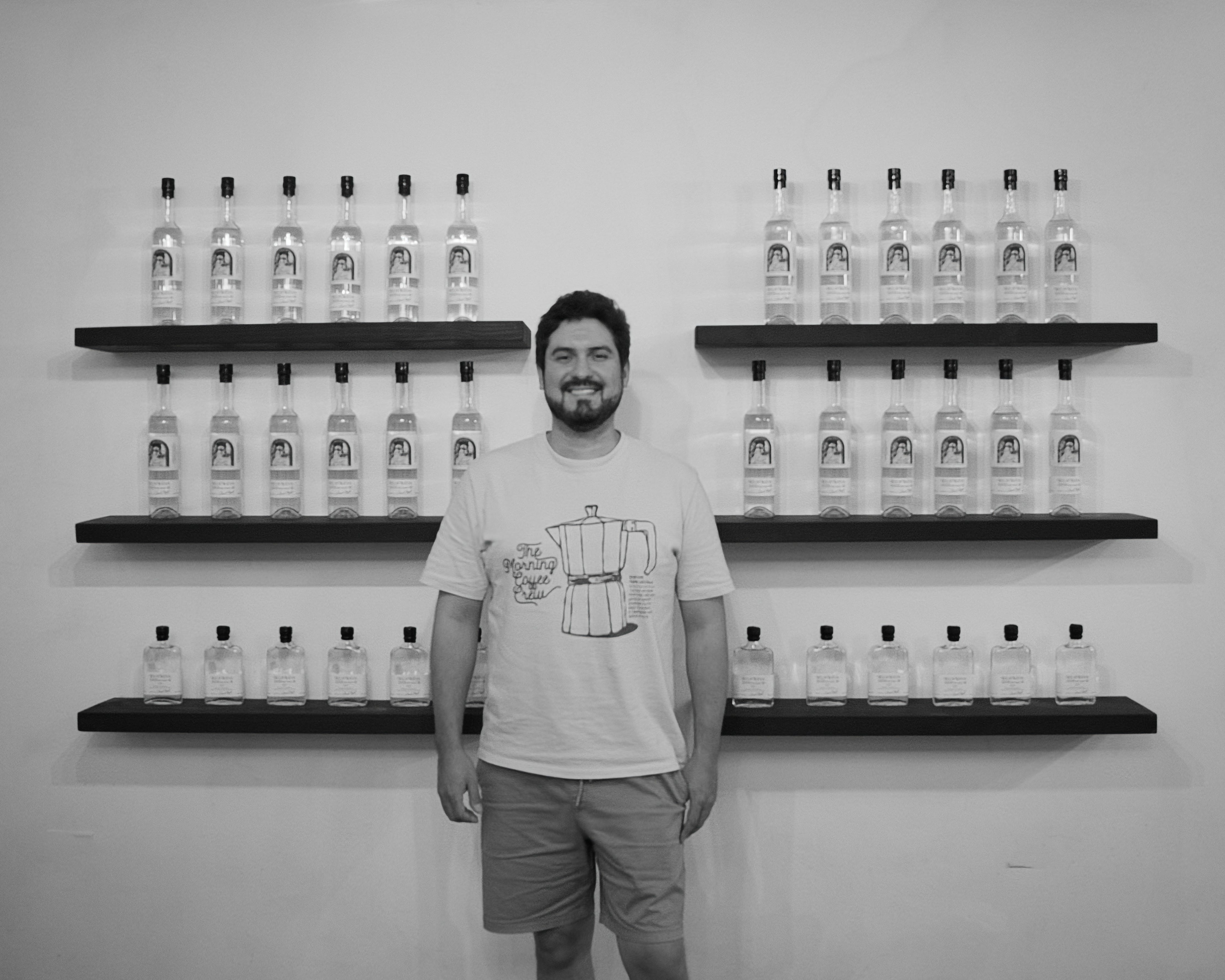
He adds pencas, the agave leaves, to the traditional pit-roasted piña, giving it a subtle vegetal edge and a fresher spirit. It weighs in at 43% ABV, one point above my self-imposed “42% minimum” cutoff. It earned its place in the sidecase.
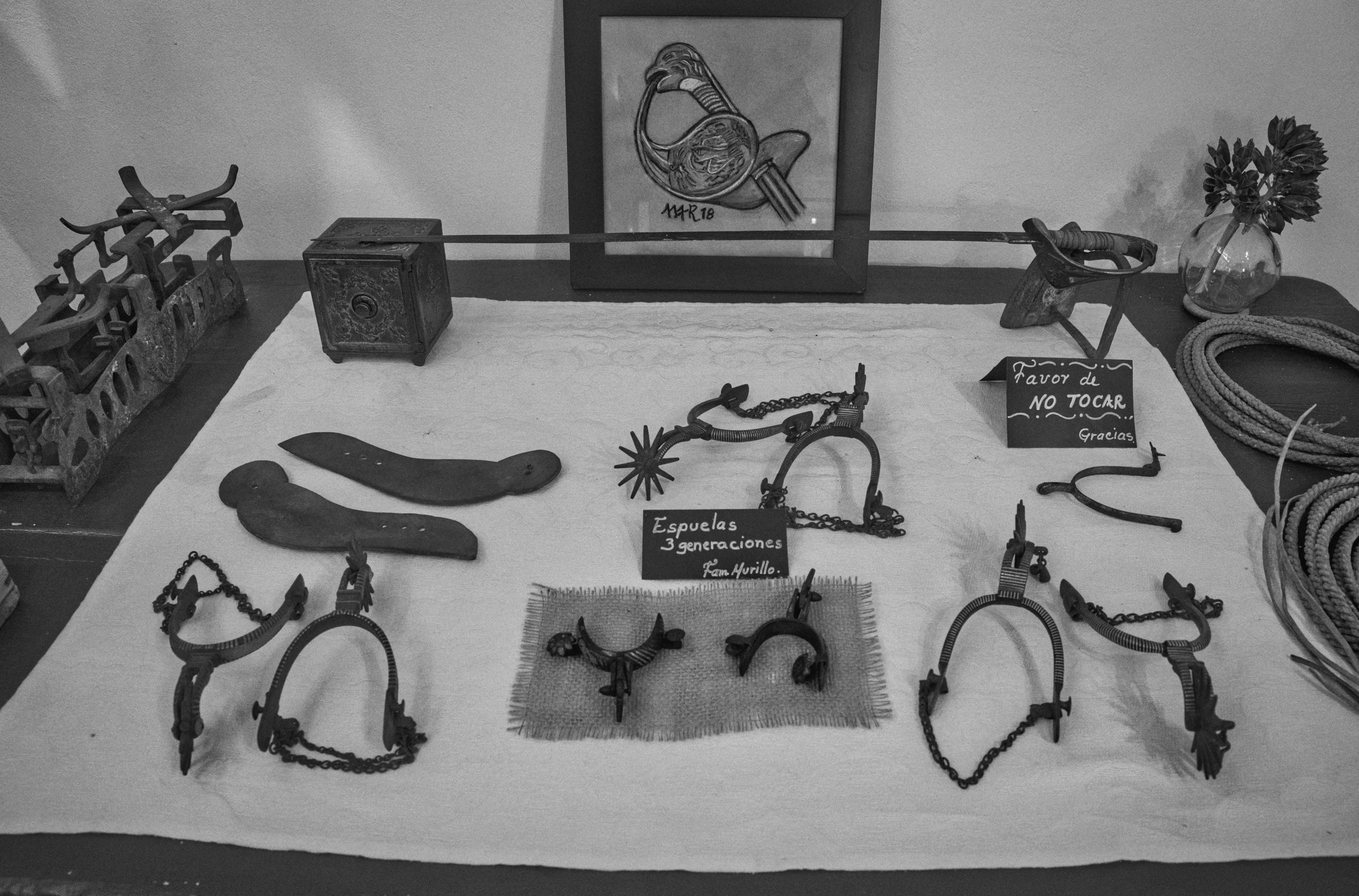
The Murillo family has been making bacanora back in the 1850s, by Daniel’s account. He revived the family vinata in 2020, largely to honor that history. A chemical engineer by training, he decided Bacanora and family tradition mattered more. I keep running into people like this: they revive a part of their family’s history. Pride of family and place are real motivators here.
Along with the bottles on the shelves, he’s curated a small museum of family relics. It’s tasteful, and it pulls you into the family past.
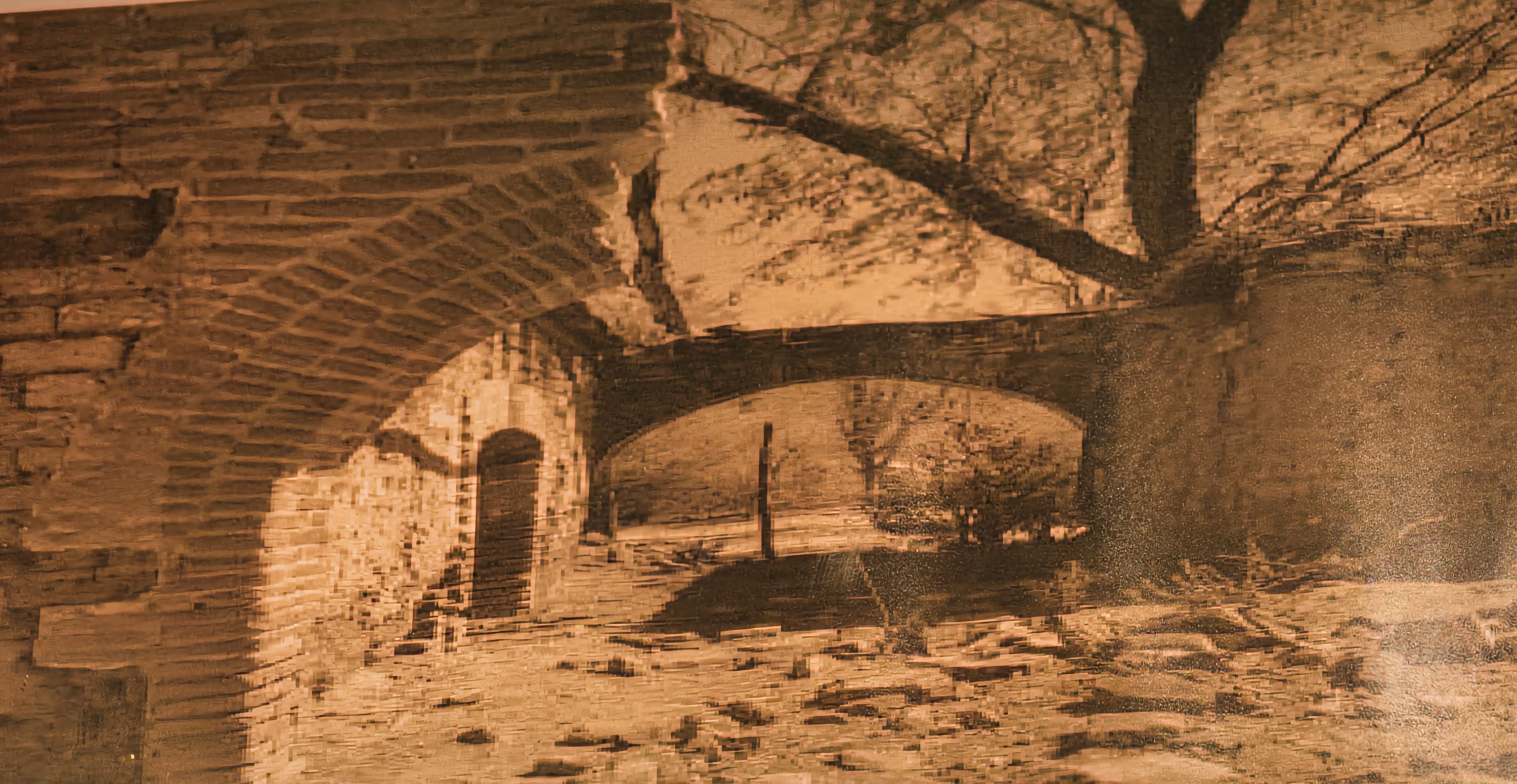
I photographed the old pictures on the walls and later sent him color restorations, just for fun. He was floored by what modern restoration can do.
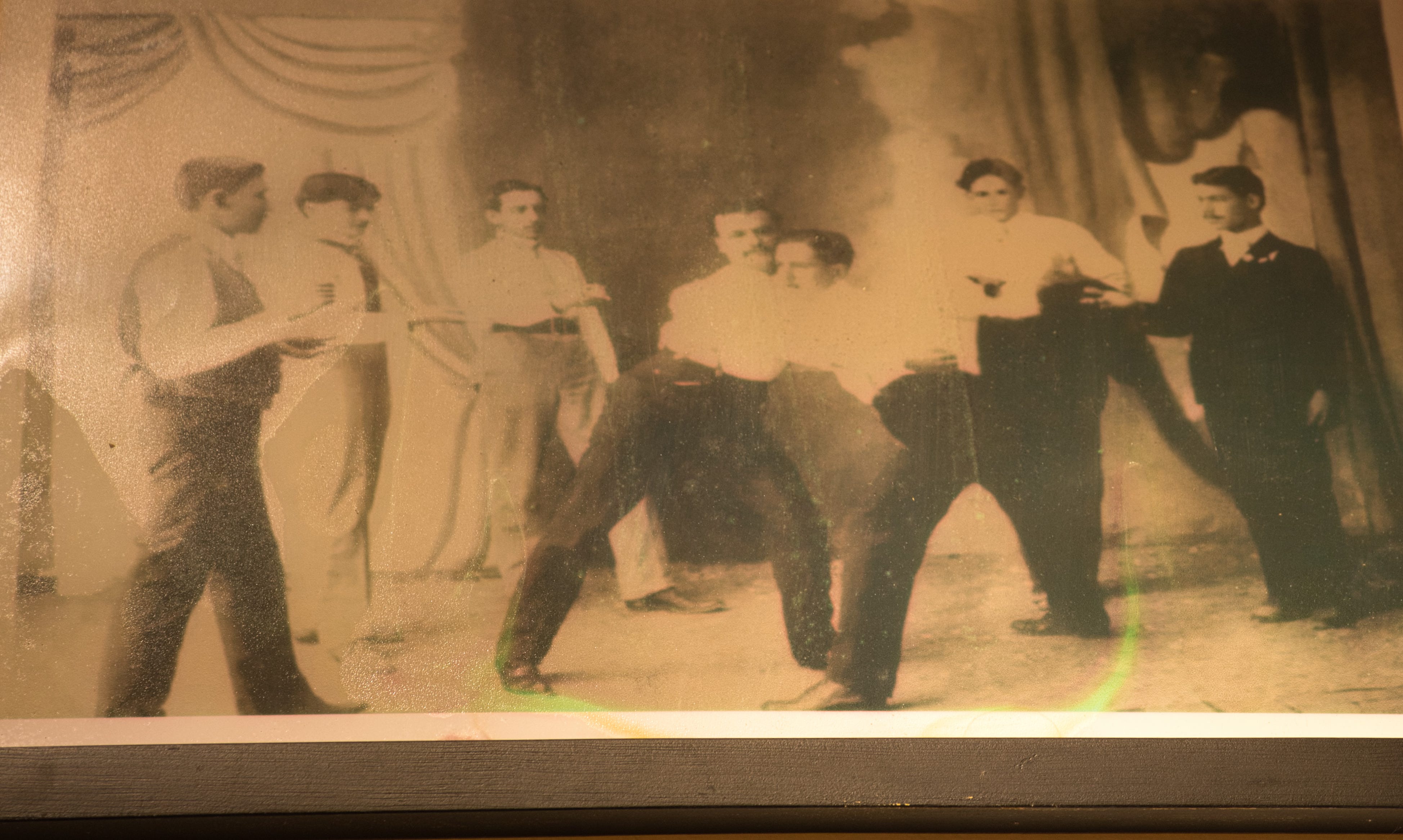
It really is magic
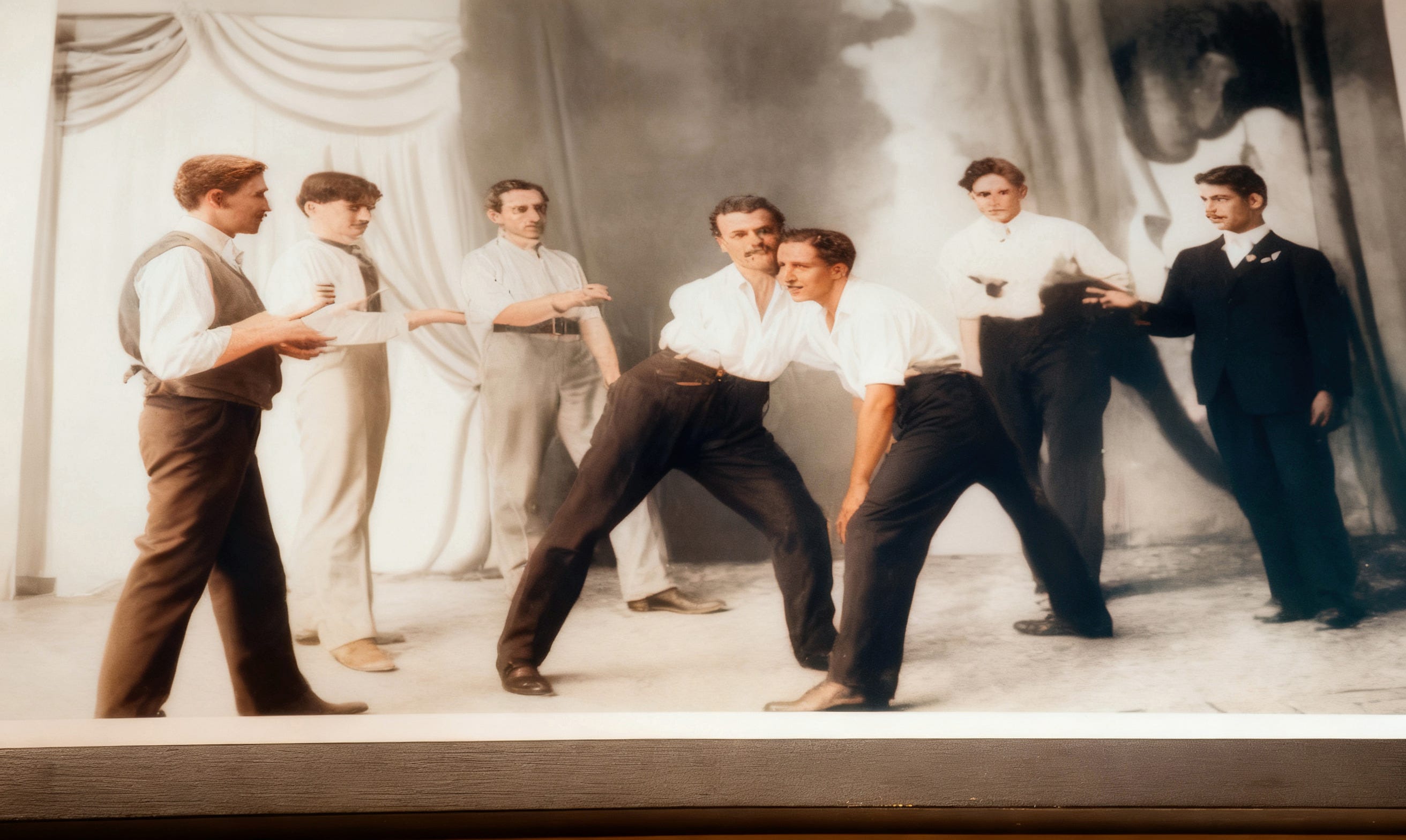
We talked about Álamos, its past and present, which Daniel swears is muy tranquilo. Then we got to the Sonoran cartels, and he offered his theory: they won’t bother me because they’re too embarrassed they don’t speak English. Somebody should do a test. They should send some cartel guys to English school and see if the gringo-chasing picks up.
Time to head home, and just in time. I’d forgotten the nature of tropical storms: many times the rain falls out of a pale, innocent-looking sky. It came in bands.
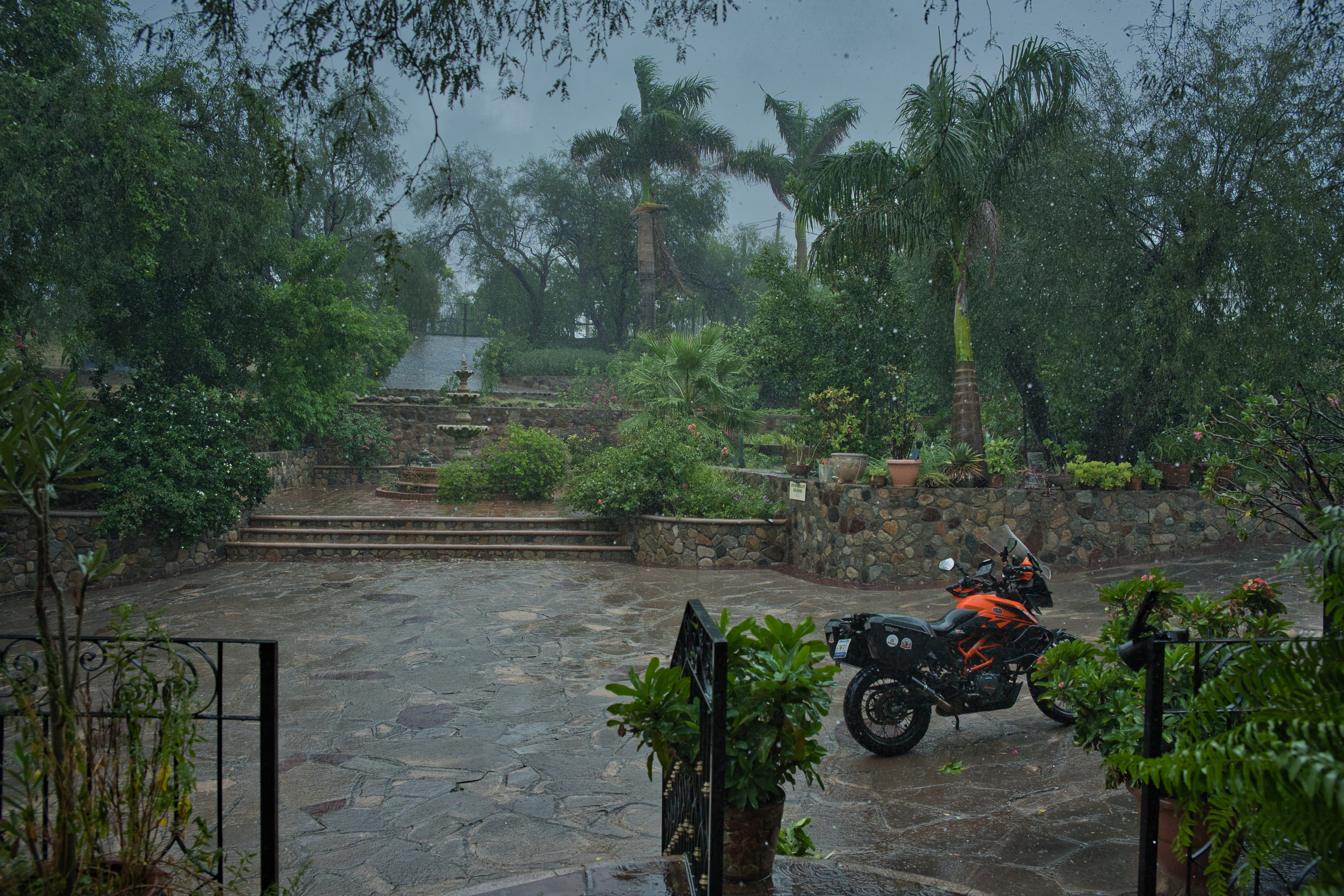
Light overcast, maybe a peek of sun, then a torrent, then repeat. The drops were fine as mist, mostly delivered sideways. Every time you thought it was clearing, it wasn’t. That went on for hours.
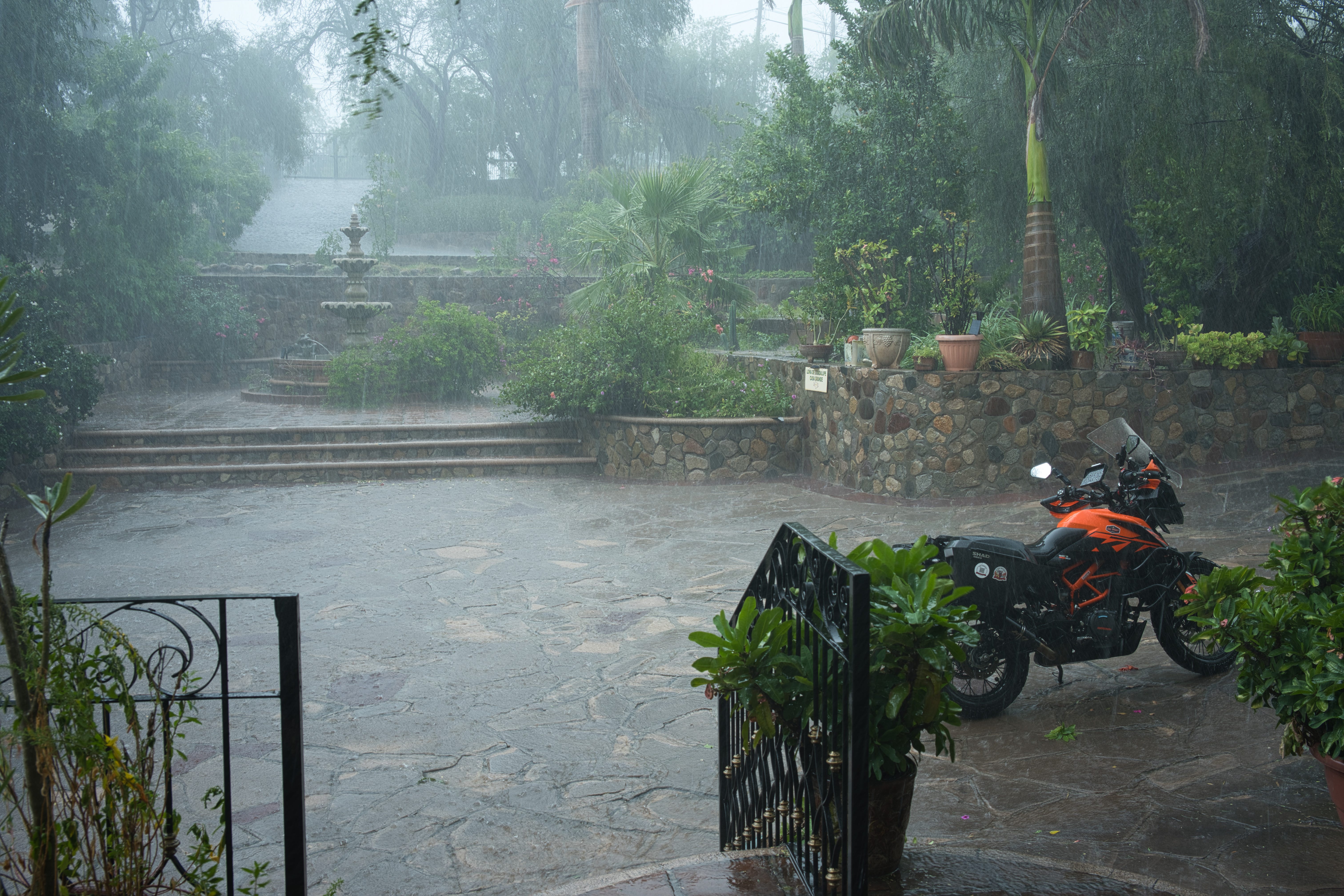
By nightfall, the town was swaddled in a sticky fog at 23°C (74°F). The power never blinked. I stayed holed up, and sometime in the night, tropical storm Polo moved on.
More Photos
Day 12 Ciudad Obregón to Álamos

Hurricane Polo had topped out at 180 mph and was coming my way. It was crossing Baja and was expected to lose strength before making the short crossing of the Sea of Cortez. Weather had become a significant factor in this trip. Monsoons I knew and had prepared. A hurricane wasn’t in my planning.