

I roll in on what people in Mexico think is a huge bike. In fact, it’s a loaded-down 390cc tiddler with fat tires. I have side luggage boxes and a big tailbag strapped where a passenger would usually sit. I come in hot, sweaty, electrified hair with a slightly maddened look that could be mistaken for severe discomfort bordering on heat stroke, always presented with a smiling grimace… and that’s on a good day. Today was one of those days.
Leaving Sonora and heading to Sinaloa, the landscape turned into grassland. Not any grassland, but the biggest fields of grass I’ve ever seen, tall, thick, and vigorous. It’s buffelgrass, imported from Africa, and it has taken over. Verdant brush covers the hillsides, studded with pitaya dulce, aka organ pipe cactus.
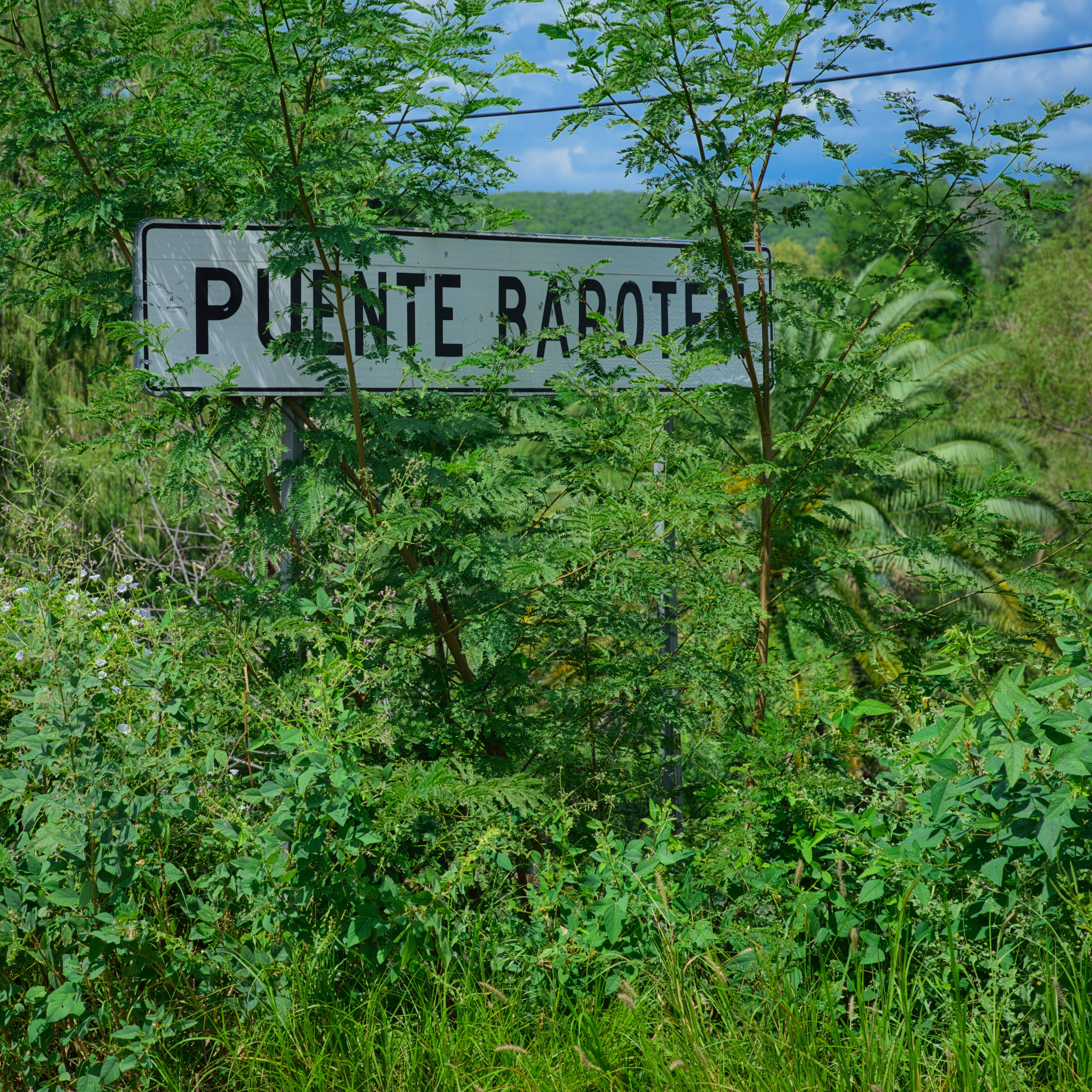
At the Sinaloa border, I was pulled over at the Estacion Don checkpoint. I was waved through after exchanging pleasantries and staring at the odd-looking moto. This would be my only encounter with Mexican authorities in Sinaloa, the U.S. Department of State’s “Level 4 Do Not Travel” state.
Turning south, the landscape was now farmland, with huge fallow fields. On the road, tractors outnumbered cars. This rich land is called the Valle del Fuerte, vast fields on perfectly flat ground. It’s one of Mexico’s biggest irrigated breadbaskets, all grains and vegetables. Canals bring water from the three El Fuerte dams, which siphon off most of the water, leaving a dry riverbed near the coast for much of the year.
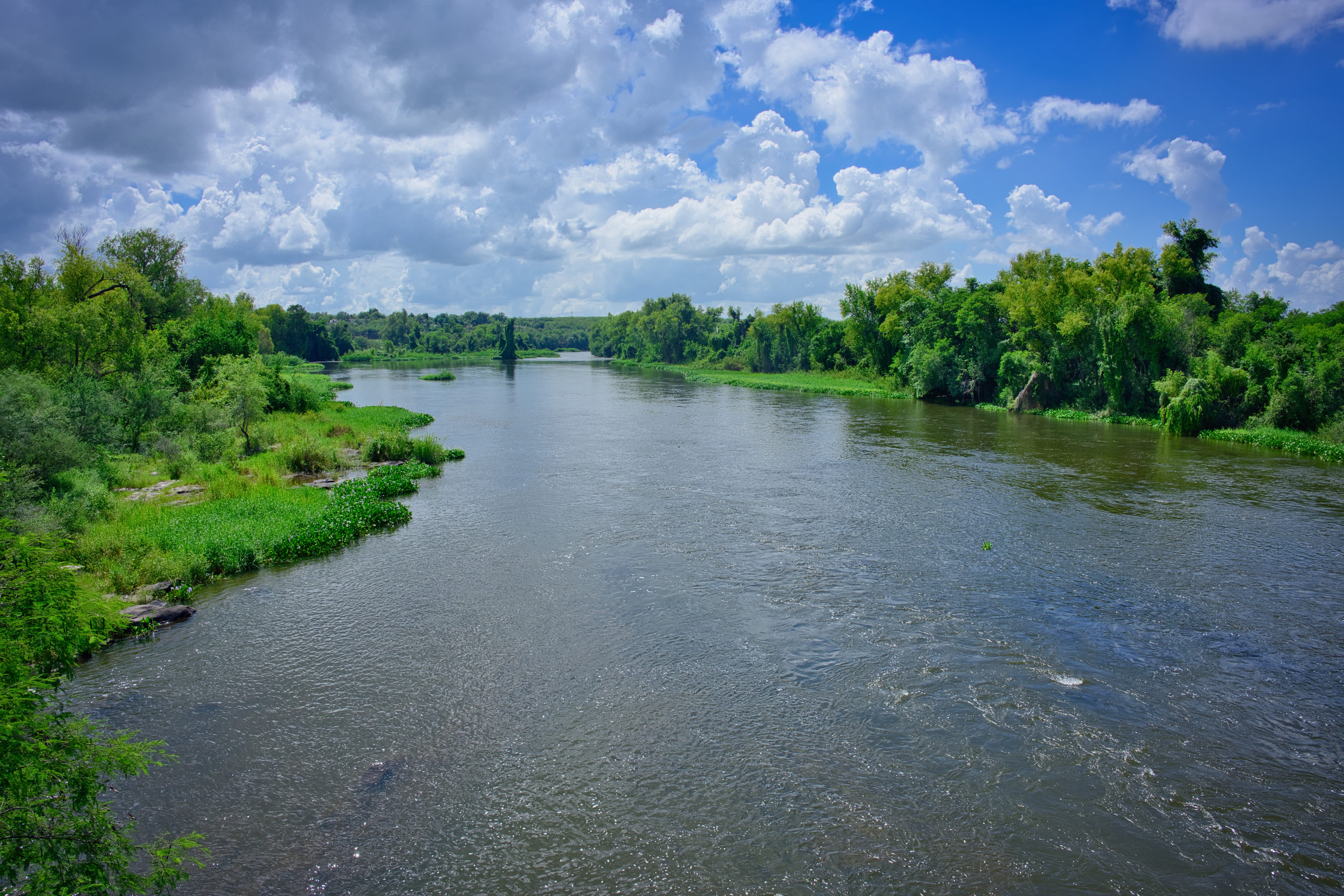
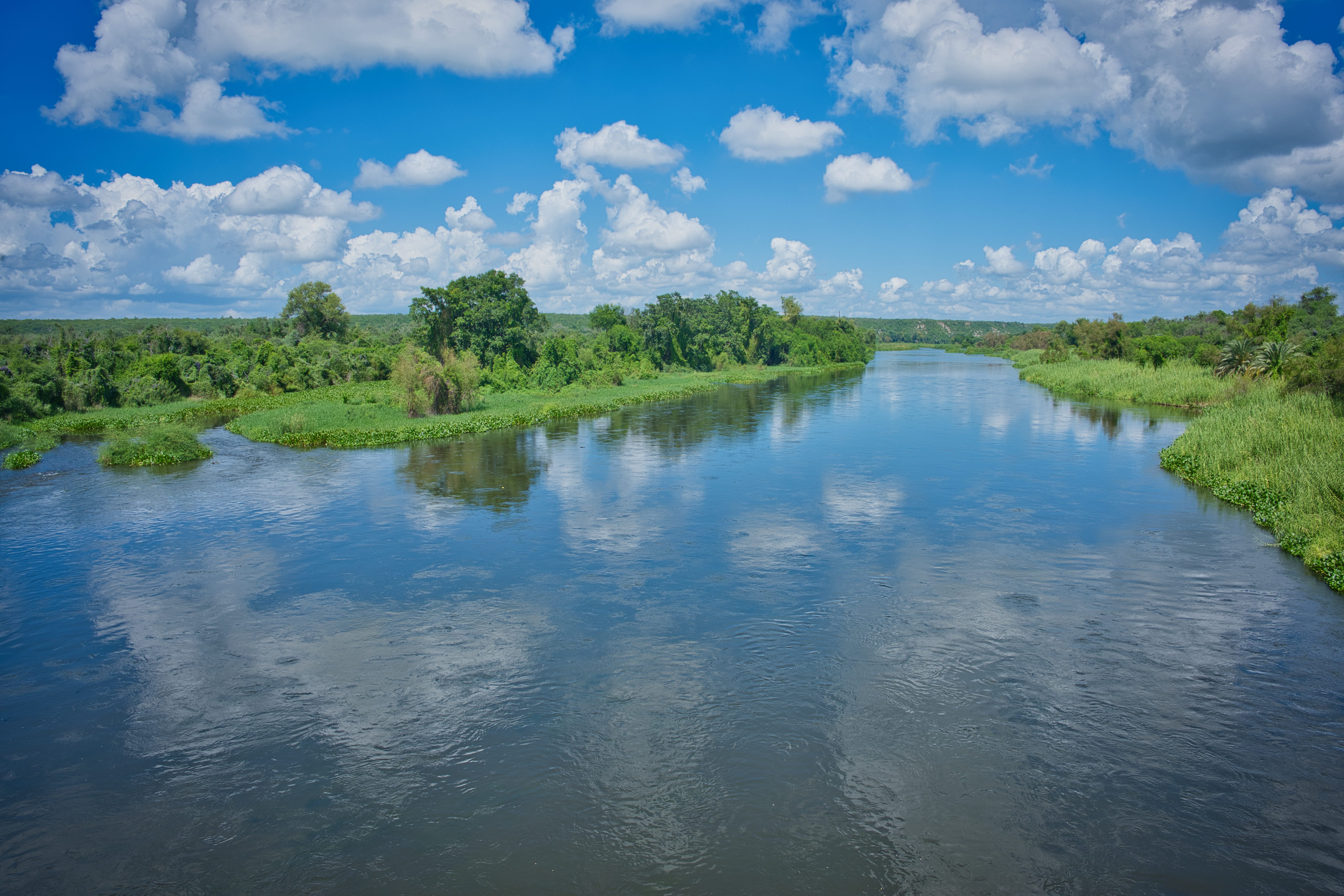
The Río Fuerte begins high in the Sierra Madre Occidental and reaches the Gulf of California, one of Sinaloa’s major river systems; I crossed it a few kilometers from town. With a wide channel and overgrown riparian vegetation, I had to get some shots from the bridge before going into town.
When I stopped in front of Hotel Torres Del Fuerte, it was 35C (95F), with a “feels like” of 39C (102F). Welcome to the sauna called Sinaloa! But what a find: a 400-year-old Torres family mansion converted to a hotel in 2006. Of course, I parked in the courtyard. Motos are treated with respect here.
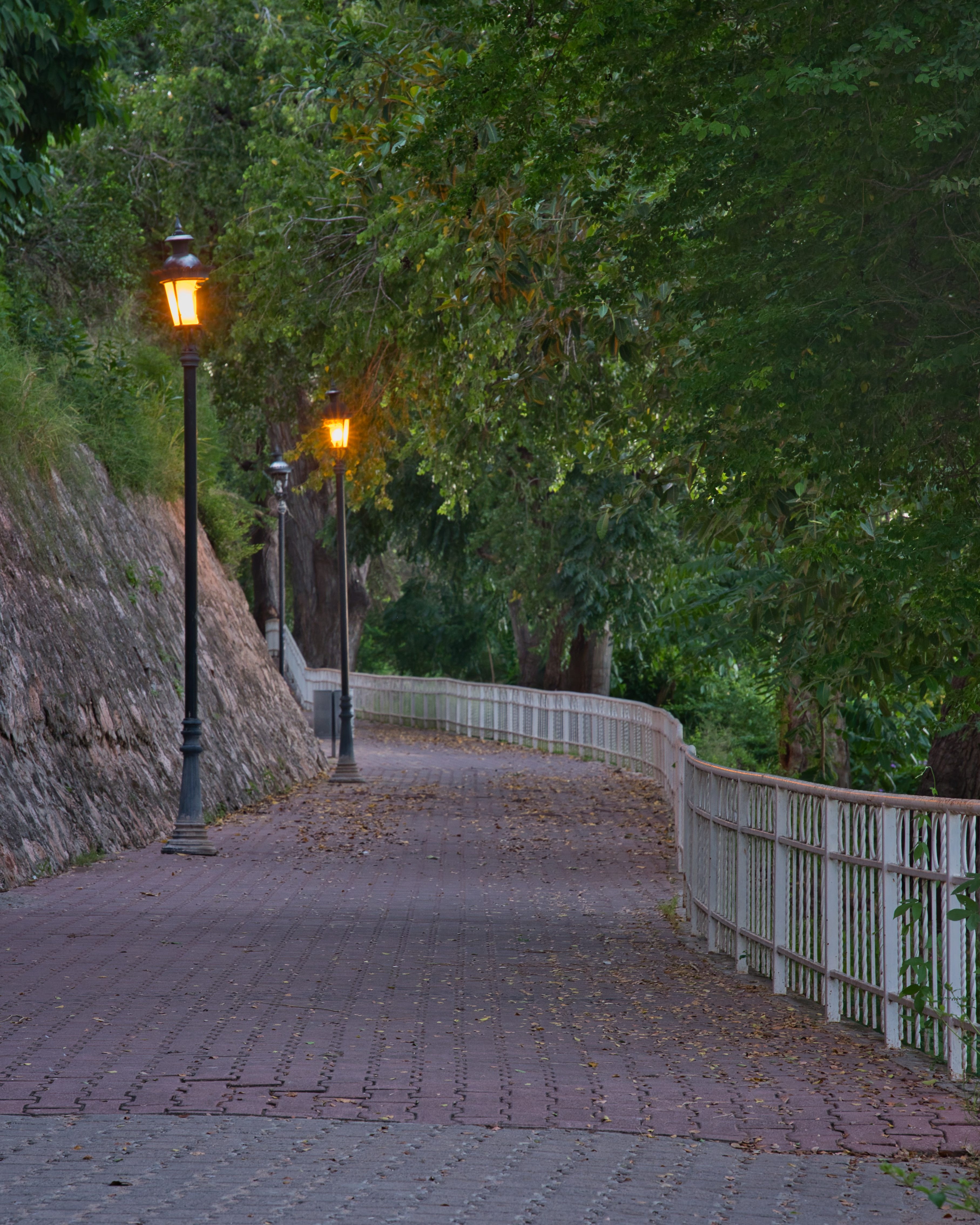
El Fuerte is a river town at its core… and much more. A friend said, “It wasn’t much,” but I found it quite the opposite. A winding malecón, rich with birdlife and a river reported to be full of fish.
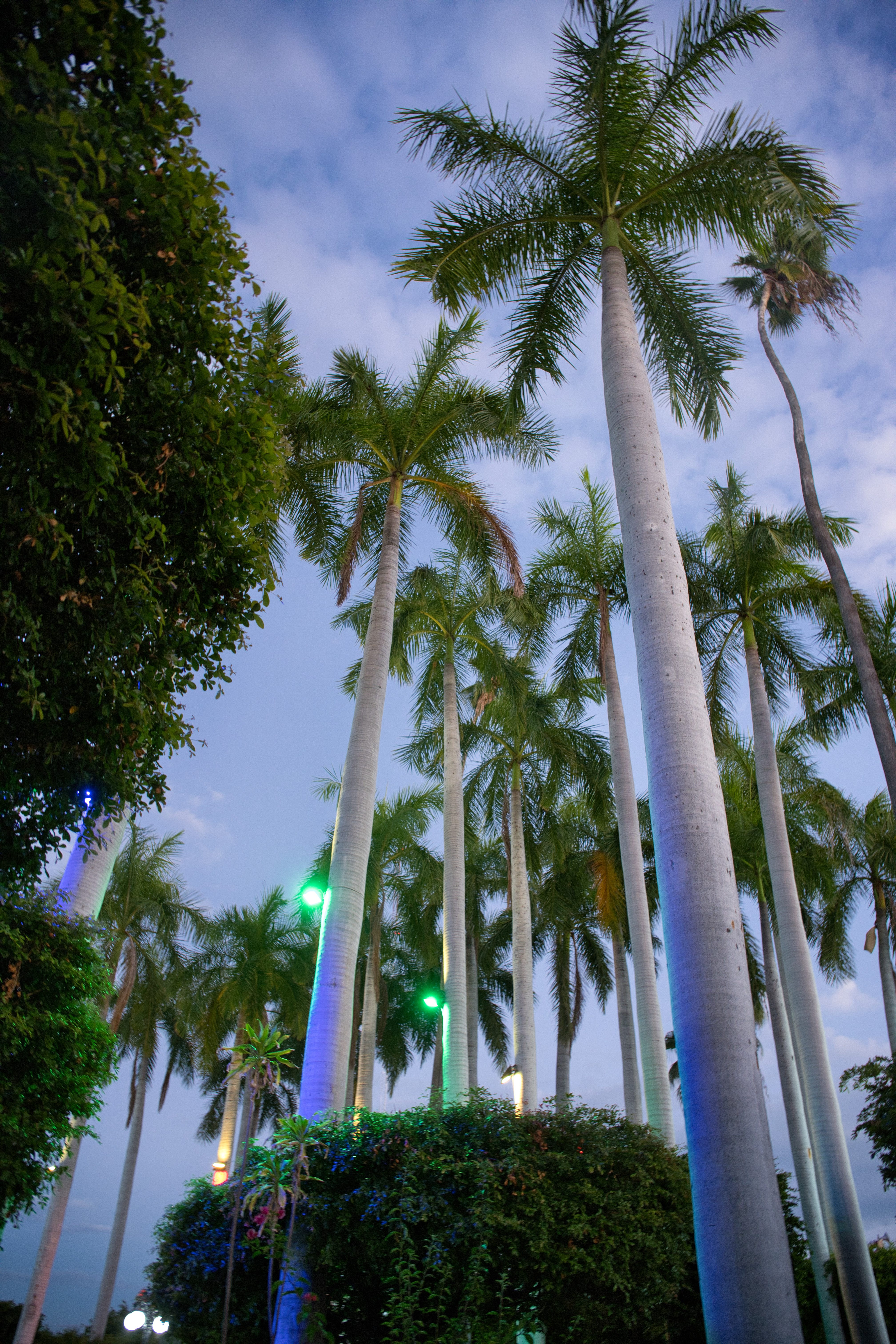
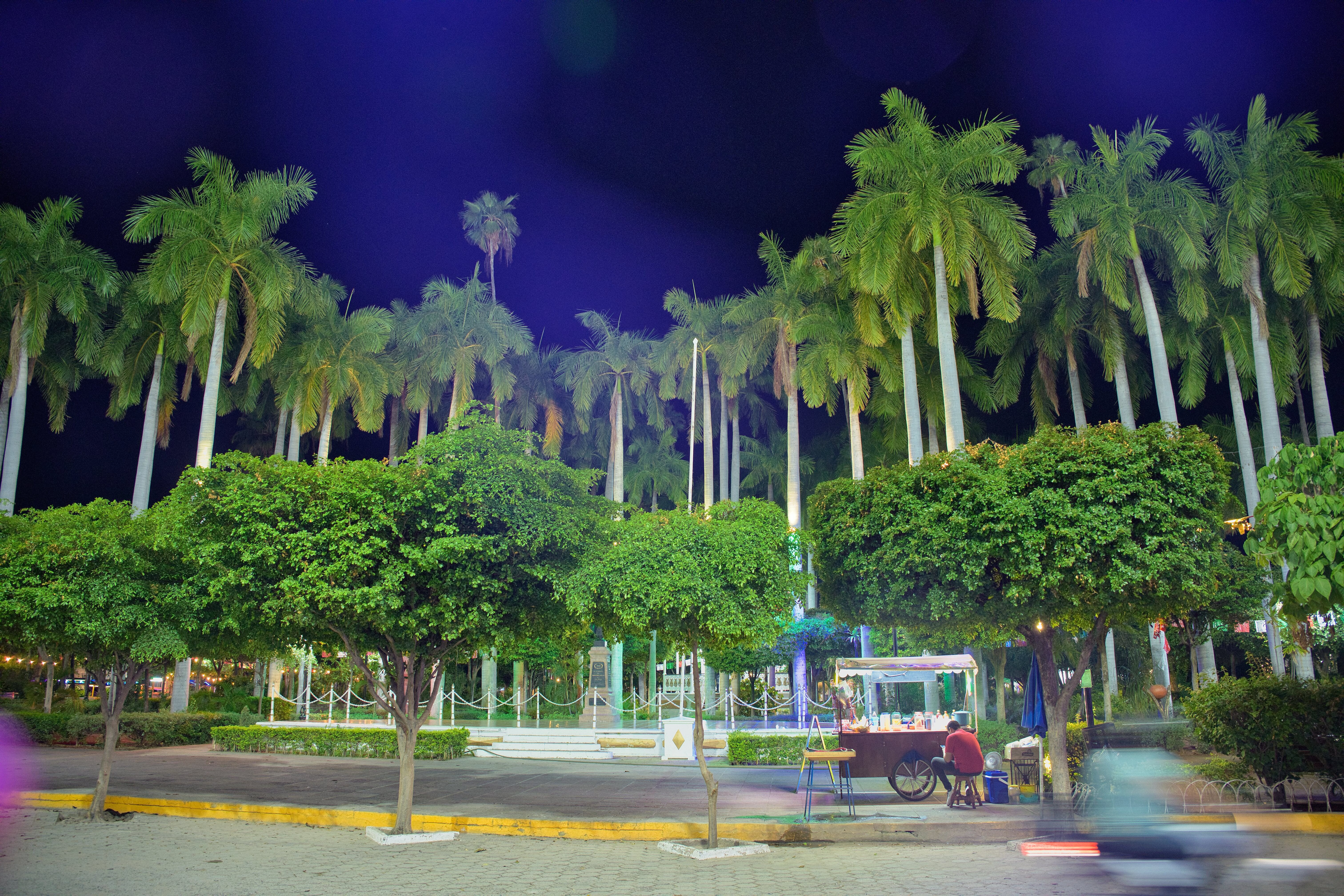
The main square, Plaza de Armas, is the showpiece of centro with colorful elote (corn) and taco vendor carts under towering palm trees.
It is also a gateway to the famous Copper Canyon railway: the Chepe Express stops here on its journey between Los Mochis and Creel, Chihuahua, in the Tarahumara Sierras. Many people stay overnight here before boarding the train the next day.
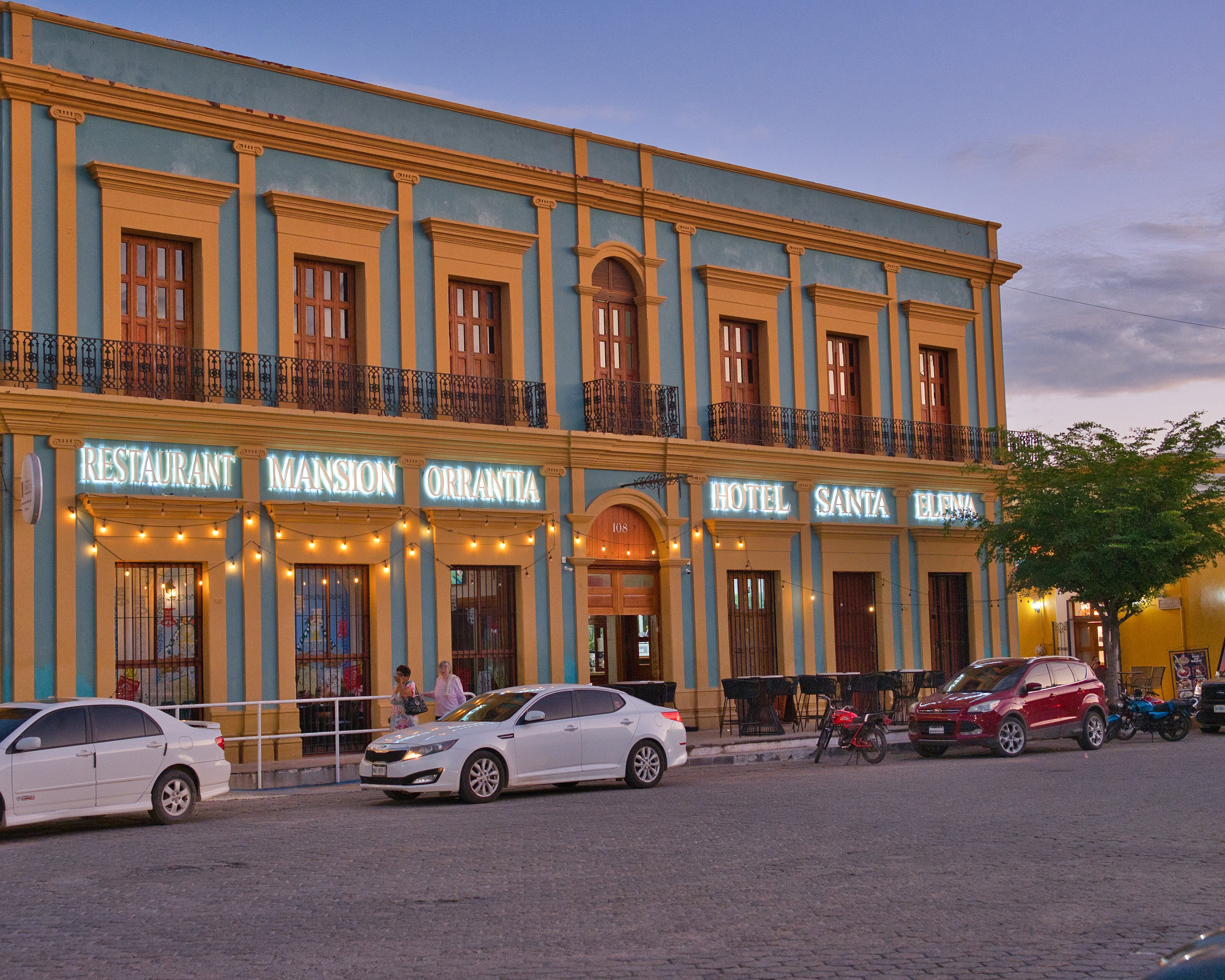
Plenty of tourist amenities here: upscale mansions-cum-hotels and famous Sinaloan seafood. With that in mind, I walked into a damned hot Mansión de los Orrantia for comida. They had floor fans the size of 747 engines, and nearly as loud.
I could have eaten the whole menu.
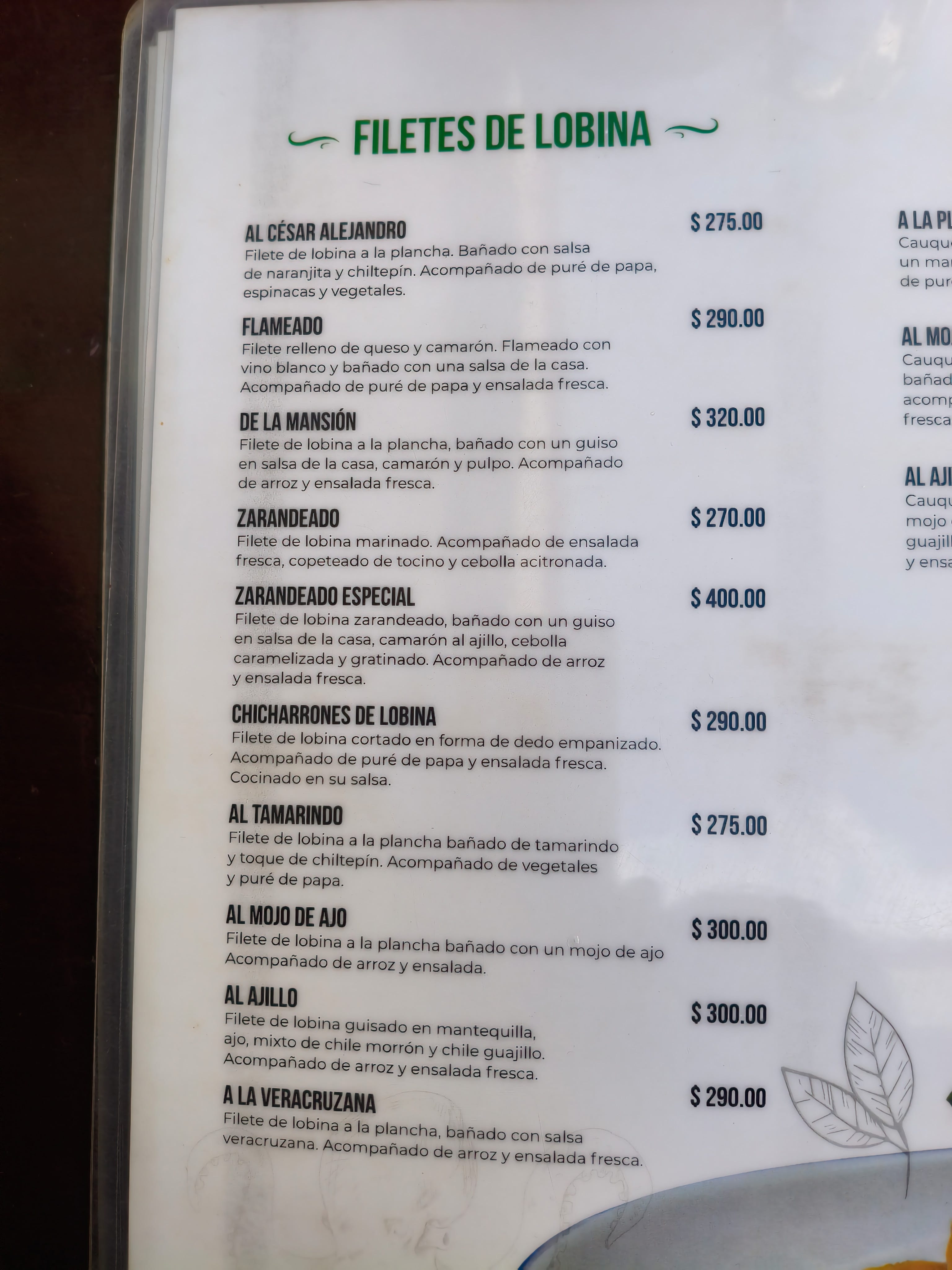
But I finally narrowed it down to the Lobina Zarandeado Especial or the Cauques a la Plancha. The Cauques dish was 780 pesos! That made it feel exclusive and artisanal...or was it just overfished (or, more accurately, over-prawned). So it was the Lobina, a local black bass. Richer than any fish dish has a right to be, because it broke that cardinal rule: no cheese with seafood. Mexico seems to ignore that culinary no-no. Tacos Gobernador, anyone?
I walked the centro and malecón at sunset and found this Pueblo Mágico town truly Mágico. Stately colonial architecture. And that square. And that river. And the seafood. I love discovering these places that feel like they have everything, but aren’t showing off.
This was my 15th day on the road, and I hadn’t seen or heard a gringo...except here. There wasn’t one or two or even four. The town was full of them. From talking to some of them at the hotel, I learned that it was the Médicos Voladores (Flying Doctors of Mercy), volunteer doctors and staff, mostly from the US, flown in to run free clinics here. The group has built a dedicated surgical facility in town and visits regularly.
El Fuerte annual rainfall: 636 mm (25”)
Altitude: 90 meters (300 feet)
Cumulative distance ridden: 2,550 kilometers
I still haven’t seen a gringo in the wild in Northern Mexico.
More Photos
Day 14 Álamos, Sonora

Dawn came, and that’s the daily signal to get my butt out of bed to meet the rising sun. I was going to hike up to the mirador to photograph the mountains and the town below.
More remarkable