

Cold front #6 blew into town overnight and made my rental house rattle and shake. These cold fronts descend from the U.S. in the winter months, 50 in an average year. The strong winds called the Nortes frequently accompany these cold fronts along the Gulf Coast. Preceding their arrival, the wind blows up strongly from the south. As the front passes, the wind does a 180 and then blows from the north, often fiercely. That was my Monday, but a mild version.
My editor harps on me endlessly about writing about the facts. But sometimes the founding, the evolving history, and defining events are what set the scene. In some places, it is the story. It’s hard to be there hundreds of years past, dude. Tampico is one of those places. While my editor is a genius and richly paid, he is not boots-on-the-ground. Step aside.
The Huasteca
The Huasteca is a cultural and geographic region in northeast Mexico, named for the Huastec (Teenek) people. The Huastec site of Las Flores Pyramid dates to around the year 1000. The Huasteca spans parts of Tamaulipas, Veracruz, Puebla, Hidalgo, San Luis Potosí, and Querétaro.
The Beginning
Tampico began when Franciscan friar Andrés de Olmos set up a mission and monastery around 1554. Pirates were drawn to it, and the site was abandoned in 1684. The city as it is today was founded in 1823 after Mexico gained its independence. It was a natural port and is still working today.
Spain’s Last Try
Spain’s last attempt to retake Mexico for itself ended here in Tampico in 1829. Siege, bad weather, and disease wore the Spaniards down, and they surrendered... one last time.
The Tampico Incident
On April 9, 1914, nine unarmed U.S. sailors were sent from their ship USS Dolphin to pick up gasoline in Tampico. They were arrested then promptly released, but U.S. Naval Officer Henry Mayo demanded an apology and a formal salute to the American flag. Huerta’s government apologized, but it wouldn’t salute without a reciprocal one from the U.S. Sailors anchored in the Rio Pánuco went ashore each day to play baseball. The U.S. used this affair as a reason to seize Veracruz until November 23, 1914.
Oil
Tampico was the center of Mexico’s first oil boom. In the 1900’s, foreign companies found oil in this area, first at the aforementioned Ébano, famous for asphalt. The Cerro Azul #4 gusher in 1916 was one of the biggest wells in the world. By the early 1920s, Mexico was the world’s second-largest oil producer behind the U.S.
The workers were Mexican, Caribbean, and other immigrant laborers. Unions formed, partly under anarcho-syndicalist influence, and fought hard for higher wages and better conditions in the 1910s and 20s. The fight ended in 1938, when President Lázaro Cárdenas expropriated the foreign oil companies after they defied a court ruling in a wage dispute with the unions. Pemex was created, and the oil workers’ union (STPRM) became one of Mexico’s most powerful and most corrupt institutions.
Crab Crazy
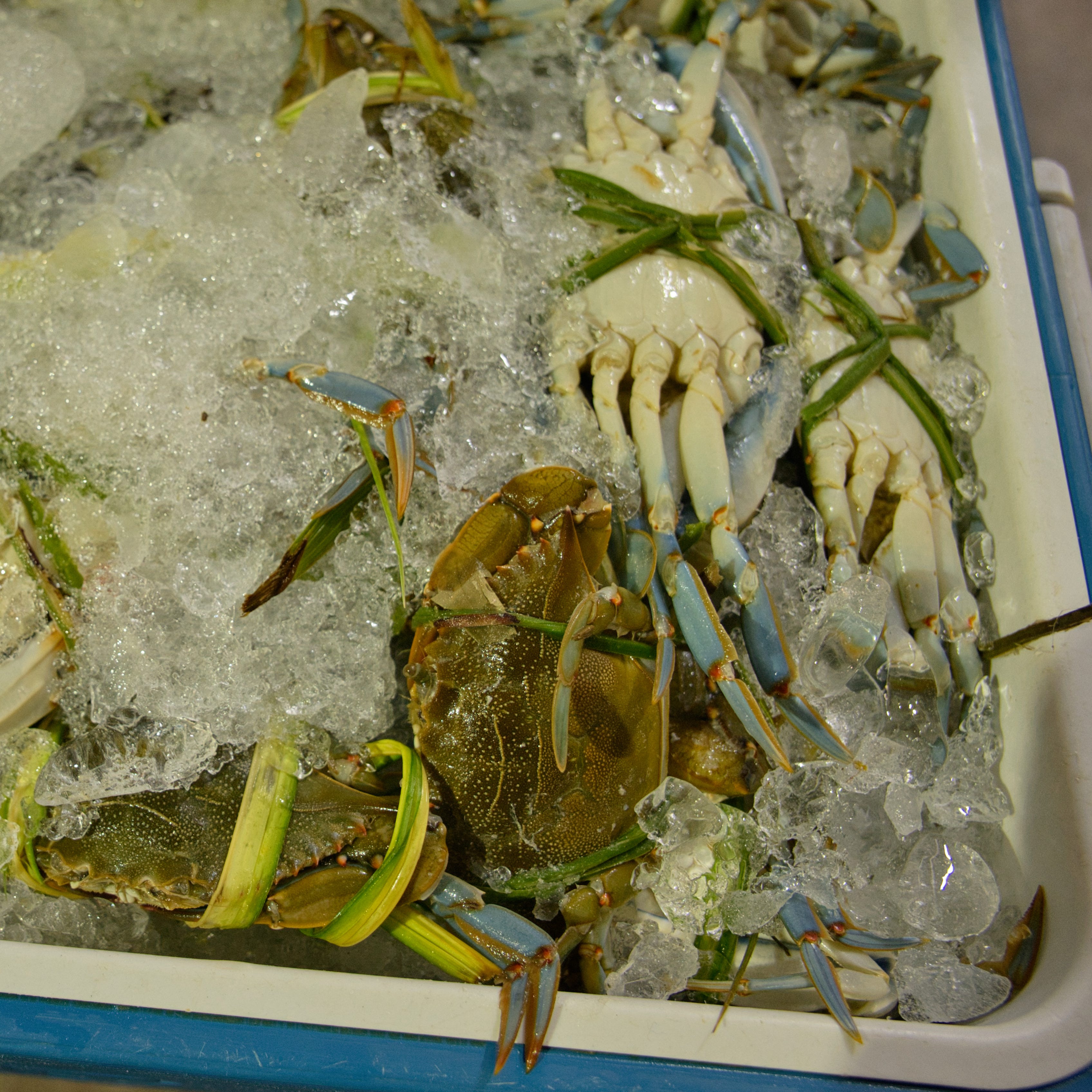
Tampico’s name is Huastec, translated as “place of water dogs”. Tampico’s people are Tampiqueños but they prefer to be called Jaibos. People here are nuts about their crabs, small blue crabs mostly used as crabmeat, not whole crabs. Common dishes include jaibas rellenas, salpicón de jaiba, crab soup, and jaiba a la Frank, the signature dish of El Porvenir. The crab is also the city logo and fútbol team mascot. Like I said, crazy about their crabs.
Downtown Crocodiles
Tampico has an estimated 80 to 300 crocodiles (who does that census?) in Laguna del Carpintero in the middle of the city. It was once a sewer from which people harvested their beloved crabs.
Dobbs Plaza
The opening scenes of the 1948 film The Treasure of the Sierra Madre were filmed at Plaza de la Libertad. It was one of the first Hollywood productions shot on location outside the United States. Fred C. Dobbs was Humphrey Bogart’s character, and there is a statue of Bogart there. I only recently watched the movie. Wow good!
Aliens
Legend says a submerged alien city called “Amupac” sits off the beach district of Ciudad Madero and shields the region from hurricanes. Tampico hasn’t taken a direct hurricane hit since 1966. Ciudad Madero holds an annual “Día del Marciano” on the beach.
Today’s Tampico
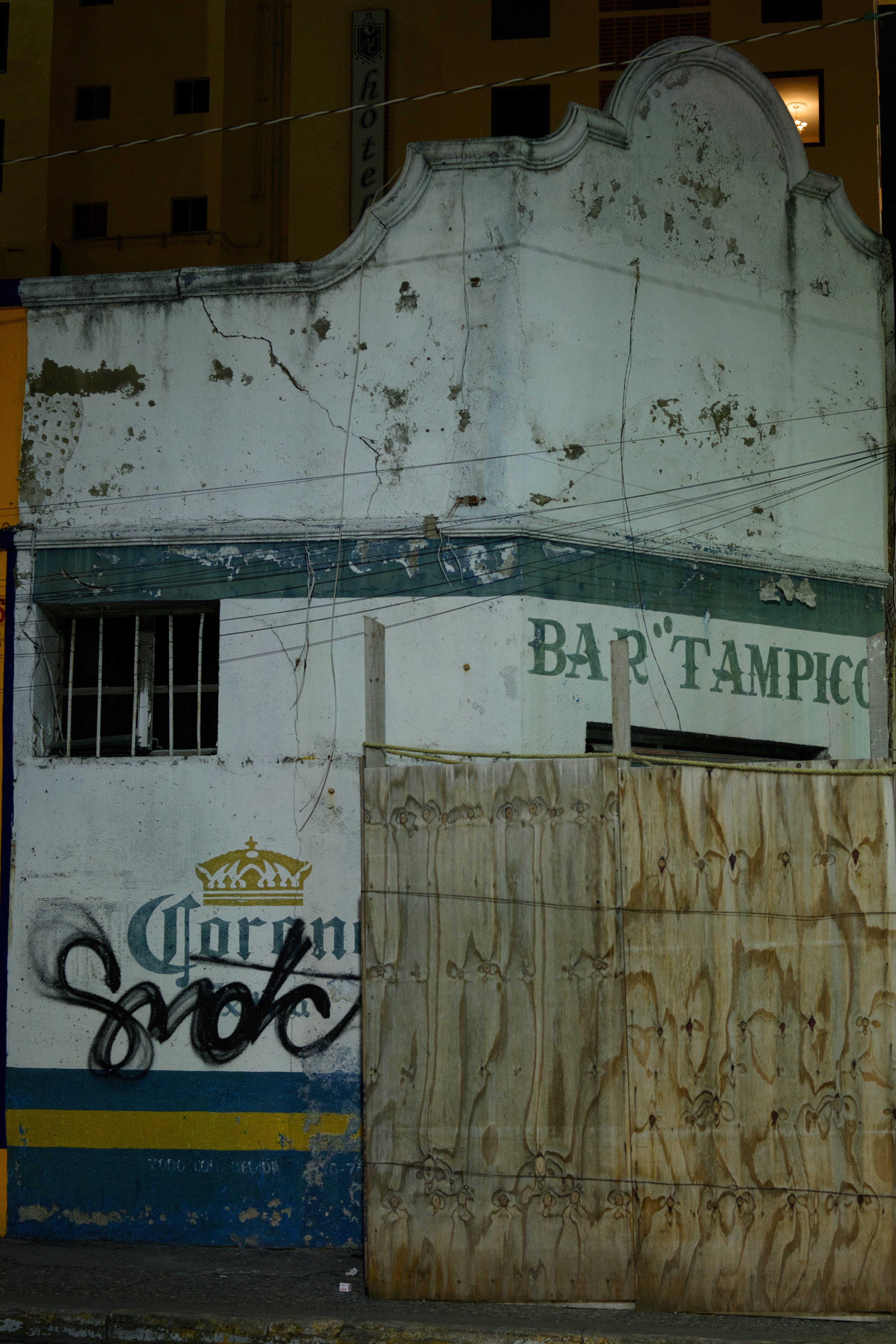
It’s a hard-edged working city with oil and the ports still providing many jobs and money. It has a wealth of dilapidated buildings and empty trash-filled lots along the river and harbor. Not a tourist haven, and that scruffiness feels good to me. Jaiba a la Frank is worth the journey.
I put a finish to the evening with a healthy dose of Veracruz rum accompanied by the sound of the stout winds bullying the palms.
More Photos
Day 3: Rioverde, San Luis Potosí to Tampico, Tamaulipas

Today started with heavy dew and fog. The rainy season lasted longer and produced more precipitation here than on my last trip to Northern Mexico.
Good to read your accounts again. My grand uncle along with his niece owned a huge chunk of Texaco (inherited from John W. Gates) which had major oil concessions around Tampico. According to AI, along the Pánuco River between Tampico and Pánuco, Topila was one of Texaco's earliest and most active field camps, producing heavy crude shipped downriver by barge. Texaco held adjoining leases farther upriver around the town of Pánuco. Las Matillas (Pueblo Viejo). Directly across the Pánuco River from central Tampico on the Veracruz bank, Texaco operated a major shipping terminal, tank farm, and topping refinery (alongside facilities like the Chijol Canal transit corridor) before all foreign oil properties were nationalized under Pemex in March 1938. Texaco lawyer Will Buckley (father of journalist & CIA man William F. Buckley and great grandfather to one of the January 6 insurrectionists) helped organize and consolidate the coup against President Francisco Madero in 1913. Porfirio Diaz' nephew Felix Diaz had been named director of a Texaco subsidiary and he organized a military force that invaded Mexico City and laid seige to the Presidential Palace at the Zocolo. Buckley was in the U.S. Embassy consolidating recognition of the regime of the turncoat General Huerto.