

Barda, fish market humor, and a revolutionary’s Granma
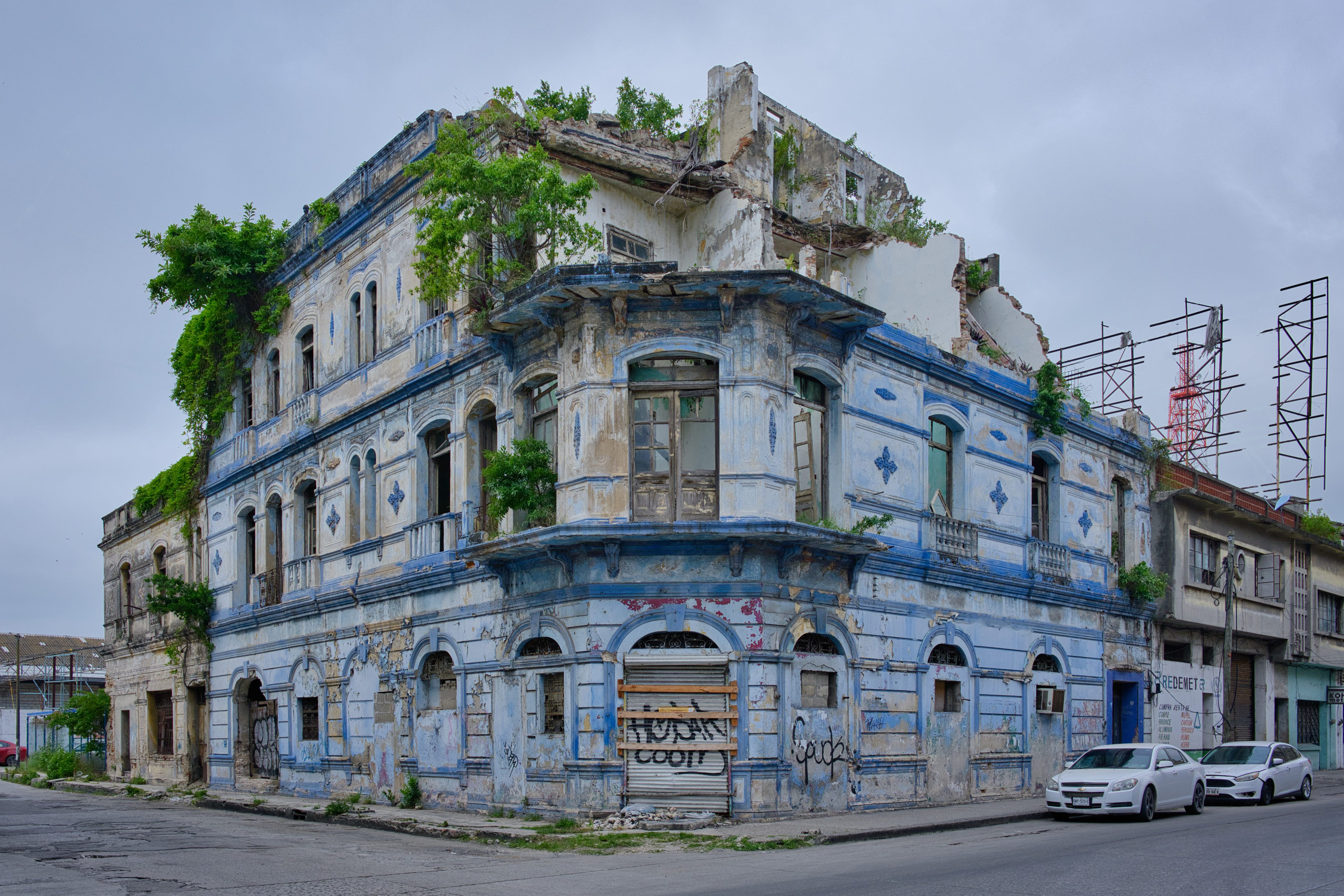
Today was my last morning to explore Tampico, so I headed to the markets. Walking along the Río Pánuco felt like passing through a past Tampico, with many decrepit buildings and a sense of malaise.
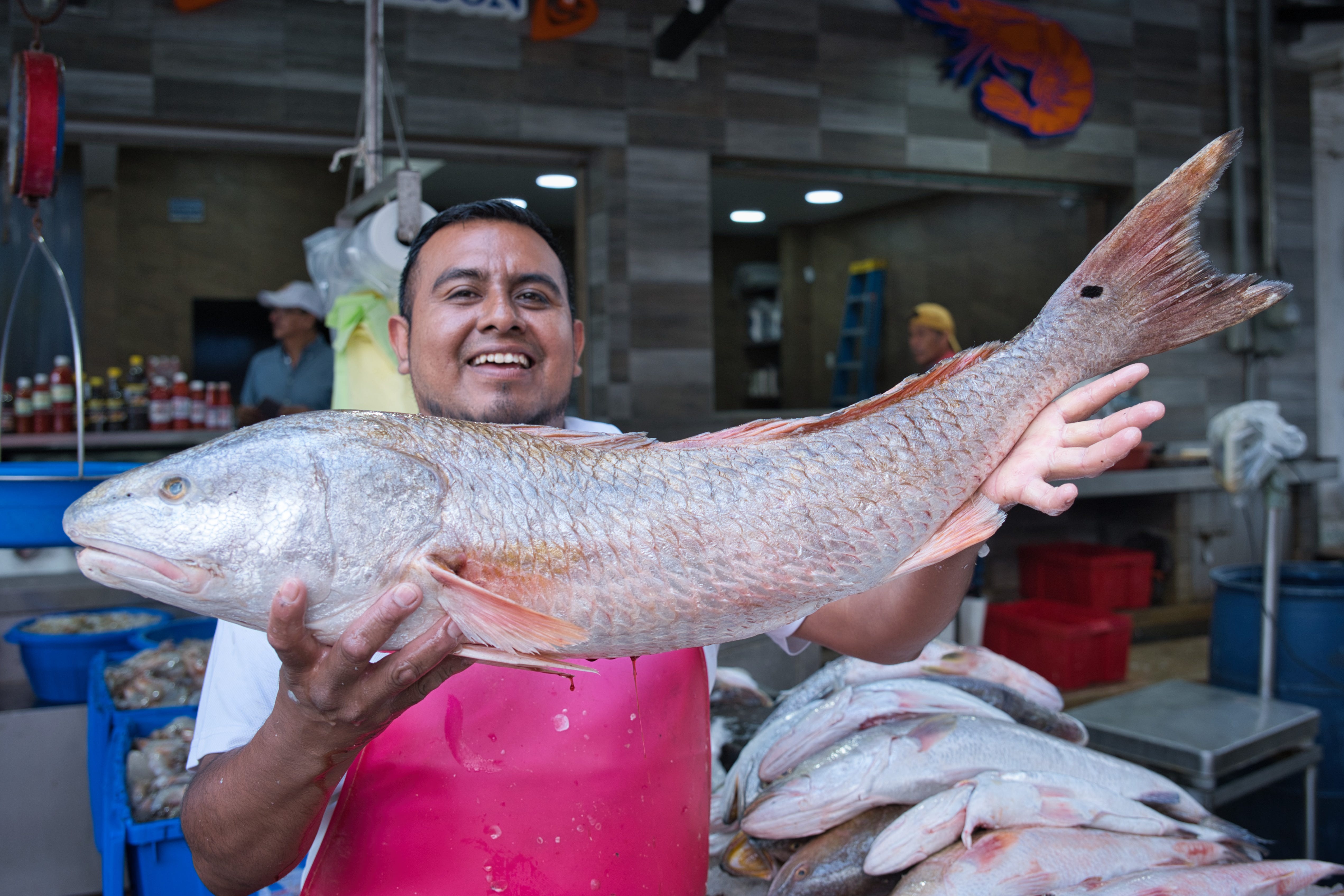
So it was a pleasant surprise to come across the newly renovated Mercado de Mariscos La Puntilla.
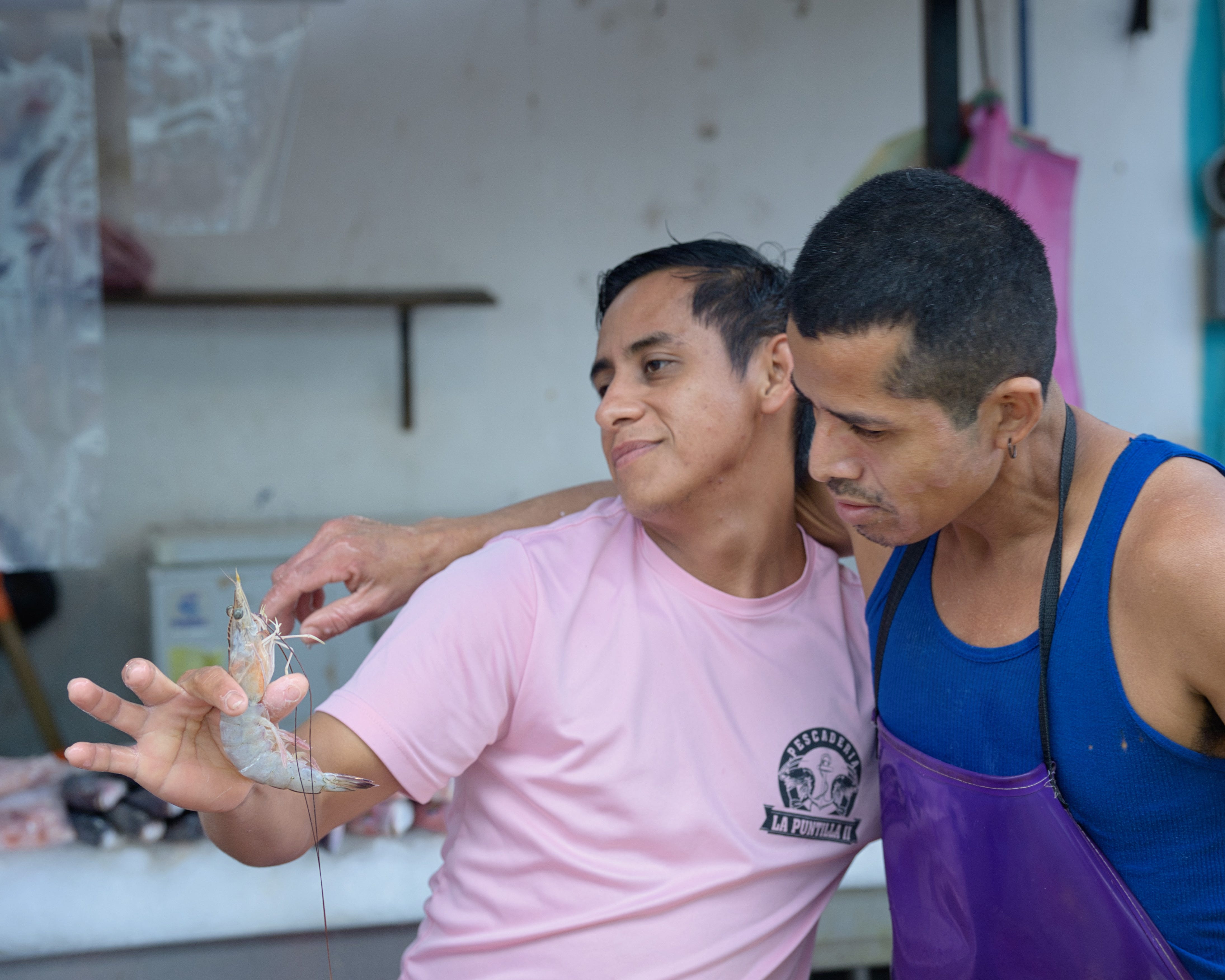
And some young jokers miming for the camera
I was searching for Tampico’s famous torta de la barda, (wall) tracing its origins to José María “Chema” Bracamontes, who sold sandwiches near the port wall in 1928. The original torta held beans, tomato, sardine, onion, and salsa, and dockworkers devoured it. Over time, they dumped the sardine.
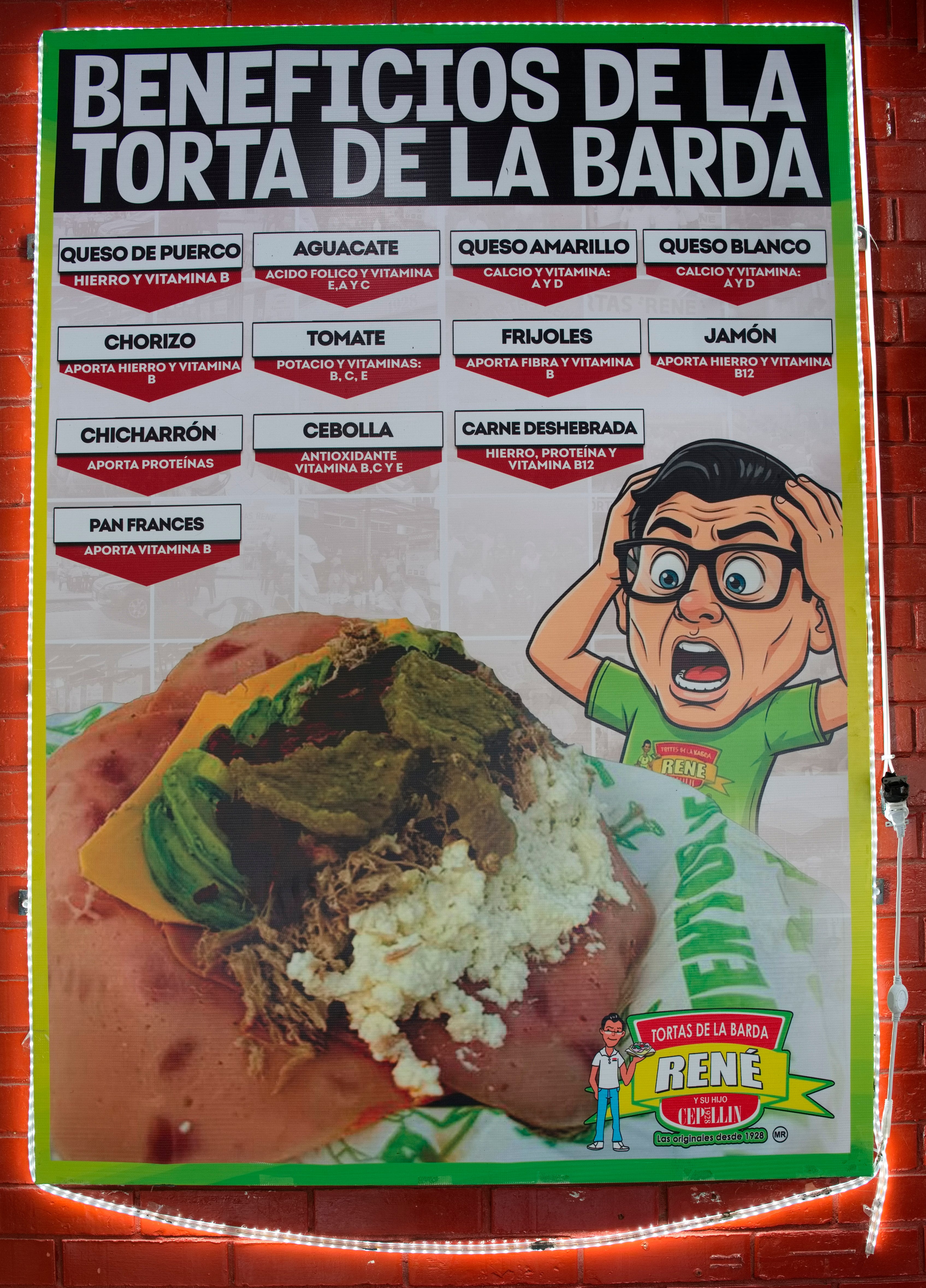
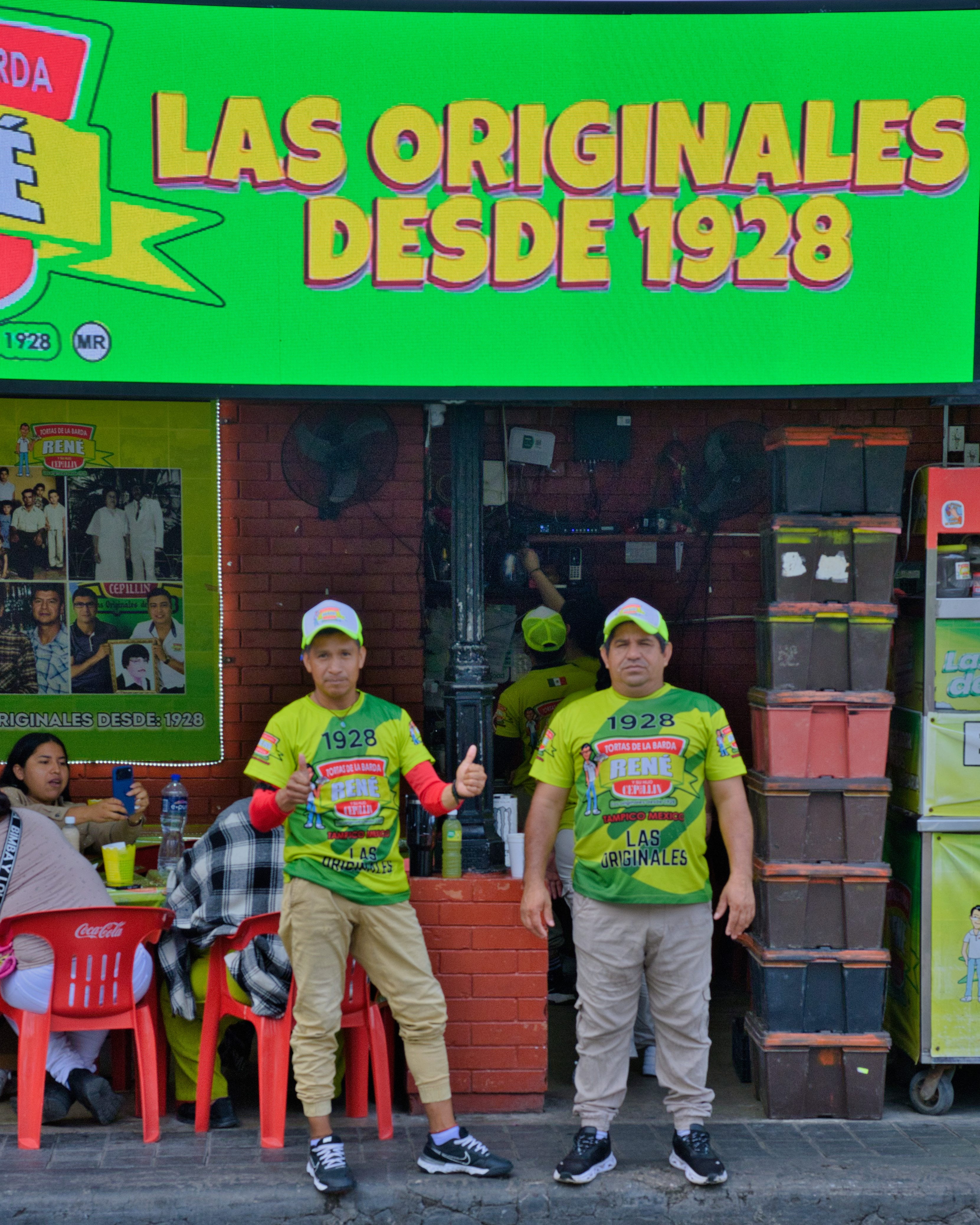
The family business, Tortas René y su hijo Cepillín (clown), is still operating, run by Arturo Bracamontes, the third generation. They’ve attracted wannabe competitors who have now positioned their restaurants on either side of René’s place. But why choose the knockoffs when you can eat history?
Today’s version layers a large roll with beans, ham, head cheese, yellow and white cheese, shredded beef, chorizo, tomato, onion, and avocado, topped with chicharrón in salsa verde.
It is quite a scene as several Jaladores (barkers) yell at the top of their lungs, many times in unison, wildly gesticulating to get your attention. They line the street, pleading with pedestrians and drivers. If someone dares to show interest, they swarm, help park your car, and take you by the arm to be seated. After finishing the last laborious bites, you have a belly beyond full, and your ears exhausted. But you can’t wait to go again. I would never go to Tampico and not eat here. It’s an icon, and the tortas are heavenly.
The destination for today was Túxpam. The city’s formal name is Túxpam de Rodríguez Cano, with an “m”. Or “Túxpan,” which is closer to the Nahuatl place-name origin, meaning a place of rabbits. It just depends upon which map or sign you are reading.
The ride from Tampico to Túxpan deserves a glowing paragraph. Here it is: The road toll was 19 pesos ($1.01 USD).
I arrived hungry and sought out a restaurant adjacent to the produce market. Restaurante Nuevo 303, usually called simply “El 303,” is a longstanding, unpretentious café-restaurant. Unusual in that it has been open 24 hours a day since December 24th, 1972, meaning it will celebrate its 54th anniversary this Christmas eve. It serves traditional, hearty food at a low price, with servers who are friendly and fun. Lots of banter among the staff, and the regulars mostly join in. I was pressured into the sopa del dia by a cackling server.
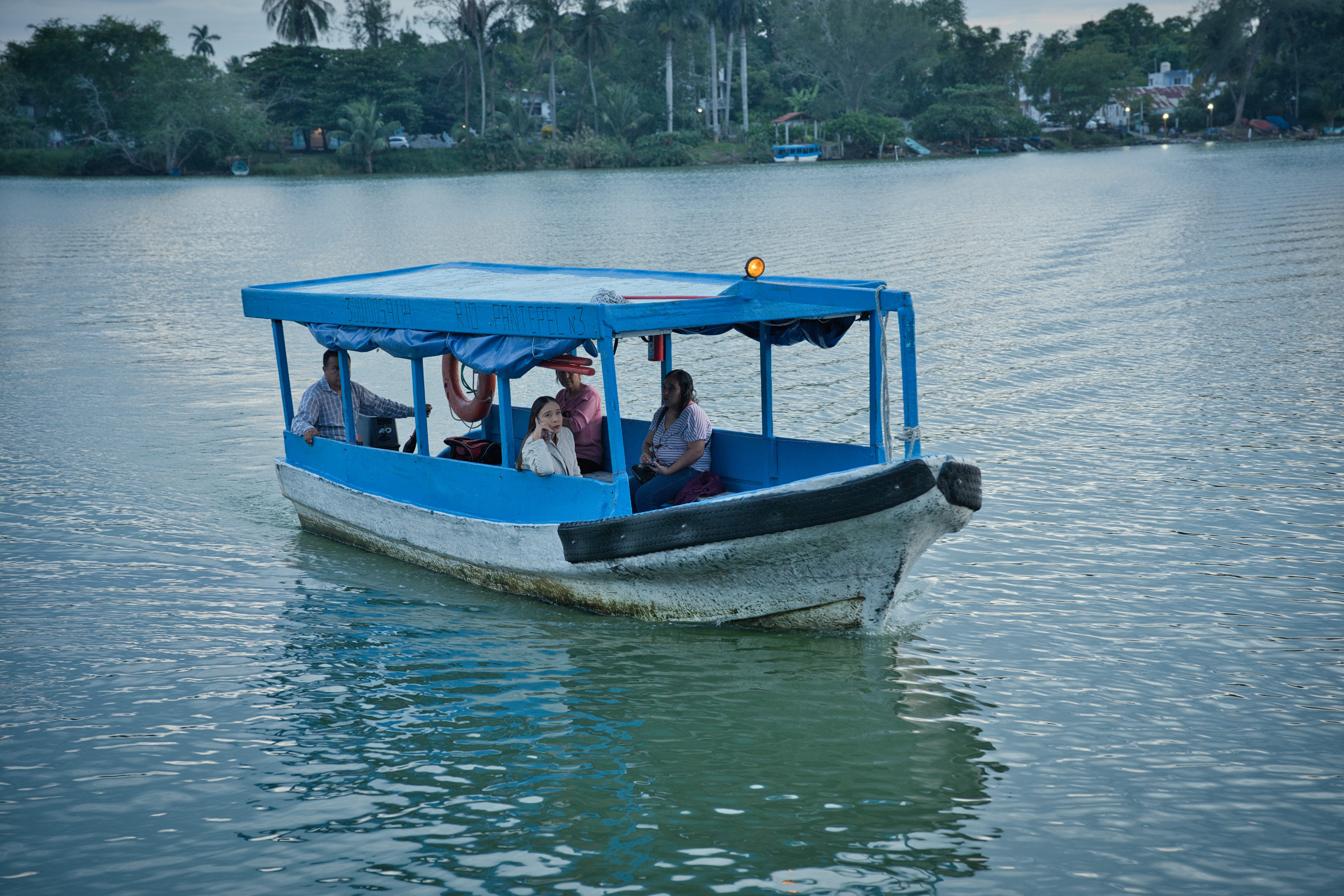
At sunset I went out for my usual evening photo walk and discovered that the town is split in half by the Río Túxpan. Frequent water taxis provide service between the two shores.
My reason for visiting Túxpam was to go to a museum. Not something I usually do when traveling solo. In fact, this might be my first museum since starting this journey. I just had to learn more about Granma and her story.
Tuxpan is an unlikely place for revolutionary history. In the middle of the night on November 25, 1956, Fidel Castro and 81 companions—including his brother Raúl and Che Guevara—set out on the Río Tuxpan aboard the Granma, an overloaded wooden yacht designed for 10 to 12 people.
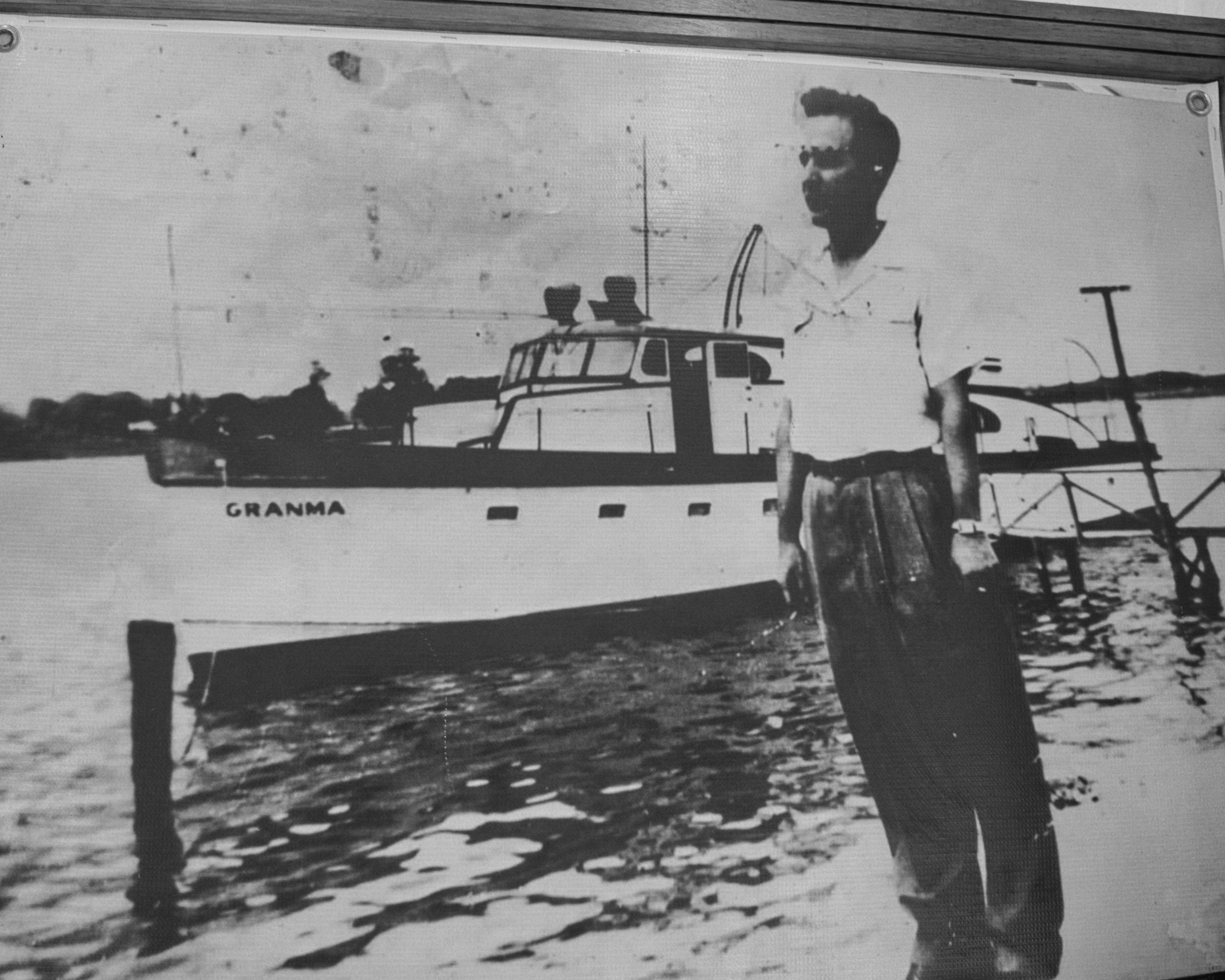
They were headed for, where else, but Cuba. Mexican police had been pursuing Castro and had already arrested him once. So, he needed to get out. The crossing was hardly a triumph of planning. The yacht named Granma (grandma) arrived two days late, a leaking mess. It ran aground in a mangrove swamp, and the revolutionaries had to wade ashore.
Fulgencio Batista was the Cuban dictator at the time and had heard of the group’s landing and intentions. His army ambushed them days later, killing most and scattering the rest. Survivors later regrouped in the Sierra Maestra and built a guerrilla force that eventually overcame Batista’s troops. Batista fled Cuba on Jan. 1, 1959, and Fidel’s movement took hold.
The riverside house from which they hid and boarded is now the Museo de la Amistad México-Cuba. Tuxpan is proud of its piece of history. The museum has a full-scale replica of the original Granma on the grounds.
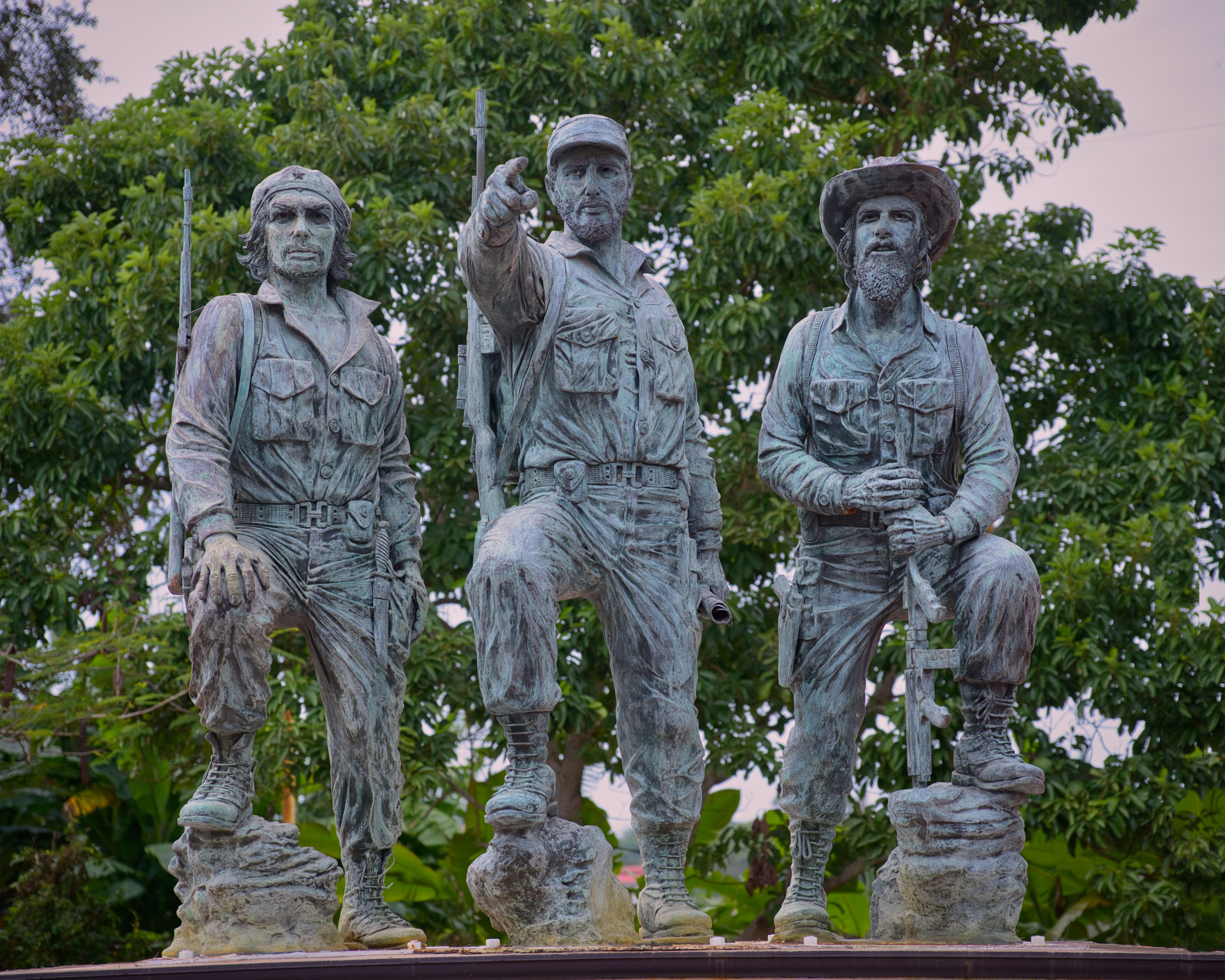
This November marks 70 years since the launch. I’m six months older than this voyage.
Lots of Photos of Tampico’s Buildings & the Market
Day 4: Tampico, Tamaulipas

Cold front #6 blew into town overnight and made my rental house rattle and shake. These cold fronts descend from the U.S. in the winter months, 50 in an average year. The strong winds called the Nortes frequently accompany these cold fronts along the Gulf Coast. Preceding their arrival, the wind blows up strongly from the south. As the front passes, the…