


I was in my Tuxpan hotel room drinking luxurious Mount Hagen instant coffee, stirred with my toothbrush handle, and weighing my routes to Papantla. Going through Poza Rica would save ten minutes, but I had a fuzzy memory of the place being “not nice.” I took the slow road.
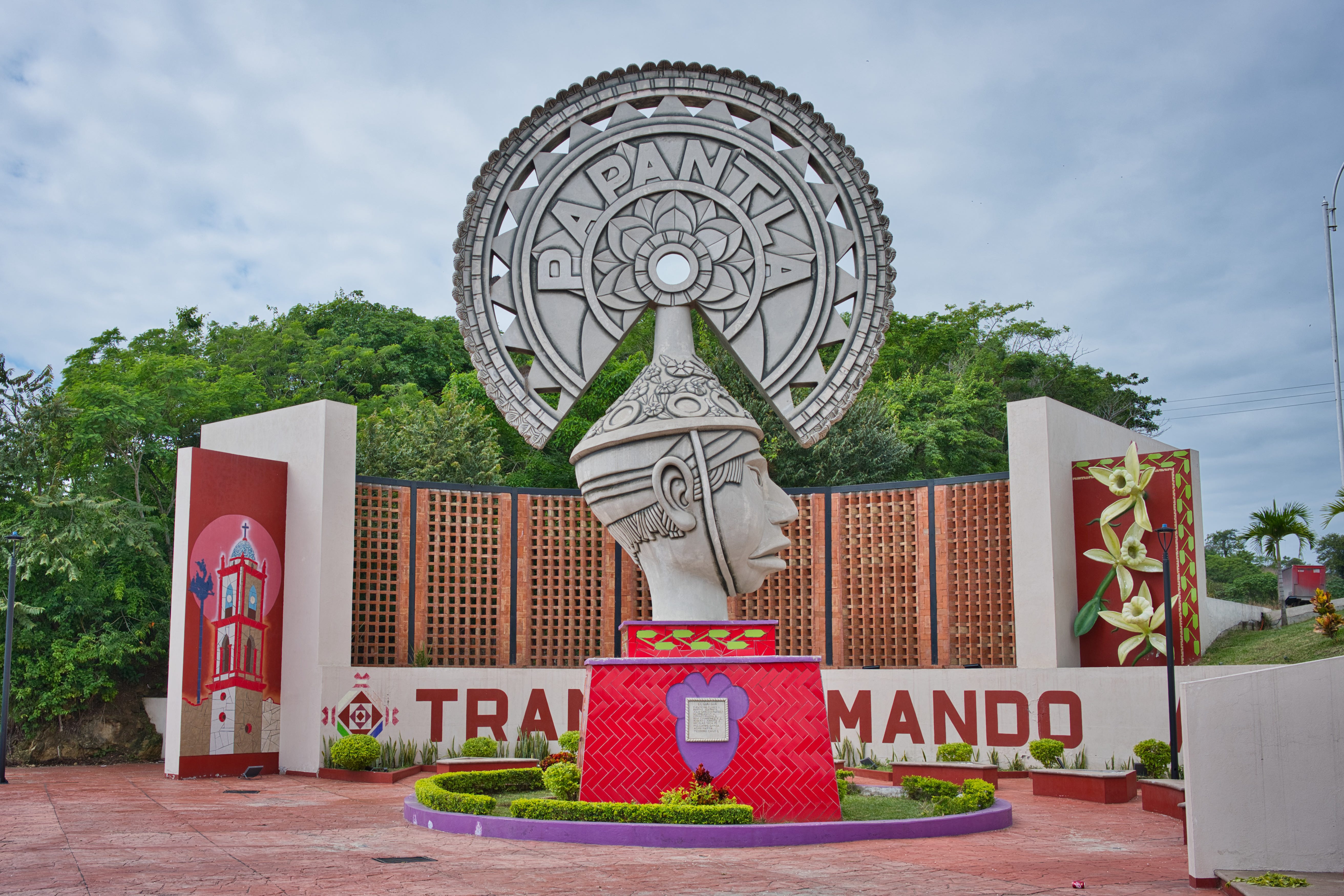
It was a short jaunt, and soon I was riding the wrong way down a one-way street into the “place of the papanes.” The “city of the noisy birds” was still earning its Nuahtl name, as I would discover.
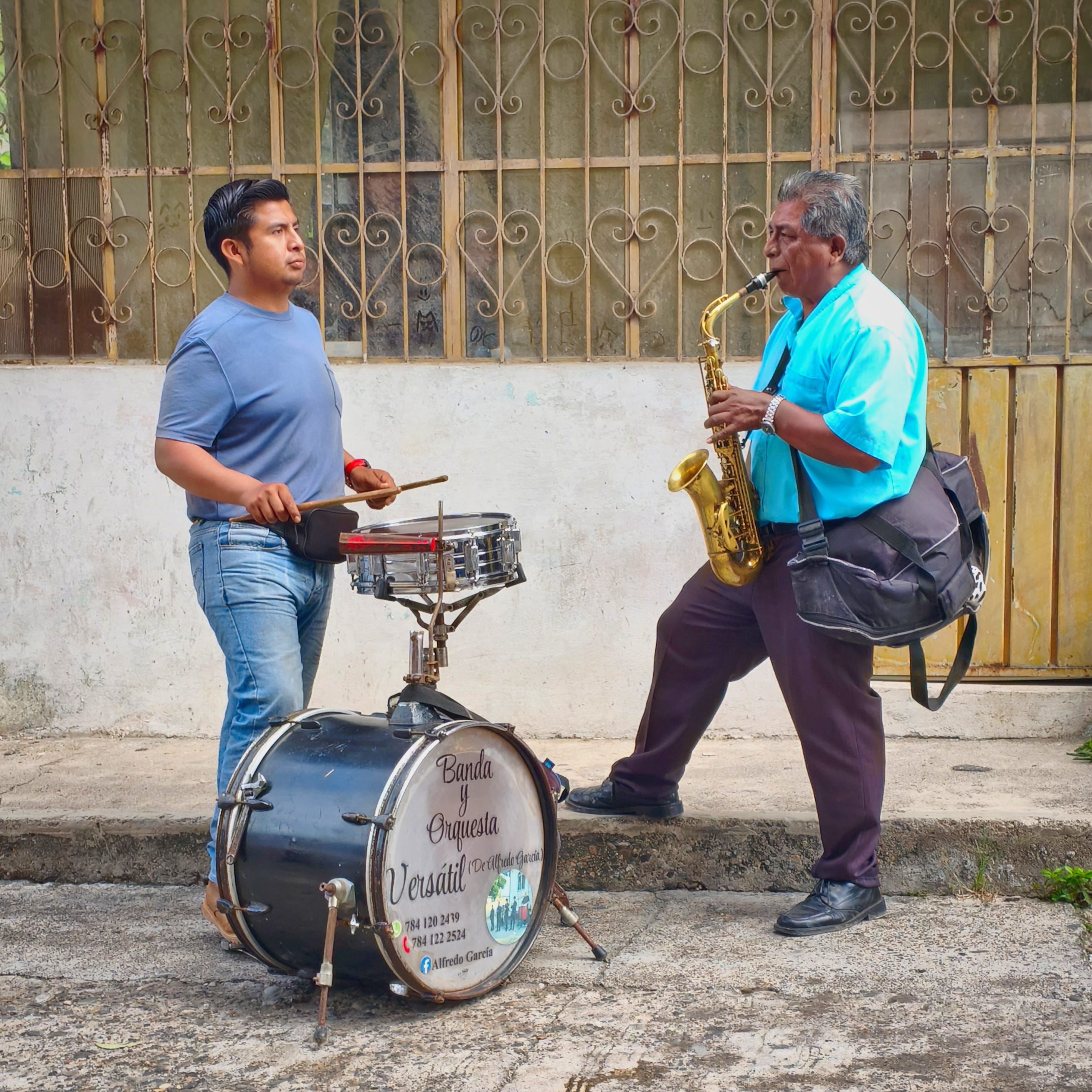
When I stopped to locate my lodging, two musicians walked up and serenaded me. I was loaded down with luggage and obviously trying to figure out where the hell I was staying. They decided this was a good time for a song. Mexico. They got a sizable propina.
Ana and Javier met me at the front door of the Airbnb and were most gracious hosts. I usually shun local advice because for me it’s all about discovery and surprise. In this case, however, I got a sense that Javier had his finger on the pulse, and I followed his advice on two restaurants.
He assured me that Papantla was quite safe but that there had been some action in a nearby town that morning. Veracruz’s public security ministry explained: “Several vehicles were set on fire and ponchallantas (metal tire spikes) were scattered on several roads.” Veracruz state police reported three vehicles burned in Poza Rica. Authorities described it as a reaction to a federal operation in territory disputed by CJNG and the “mafia veracruzana”.
I missed that road entertainment by 21 kilometers. Joking aside, having both tires on a motorcycle go flat simultaneously is a fucked situation. One I can handle, preferably rear. Both probably means, “sky, ground, sky, ground”.
After I unpacked my traveling closet one more time, Ana told me the voladores usually performed at five. It was nearly time, so I headed for Centro. Having seen the voladores shortly after arriving in San Miguel seven years ago, I was eager to experience them in their native town, and now I was armed with a good camera.
Stock photo of voladores in action courtesy of the Mexican government tourist dept.
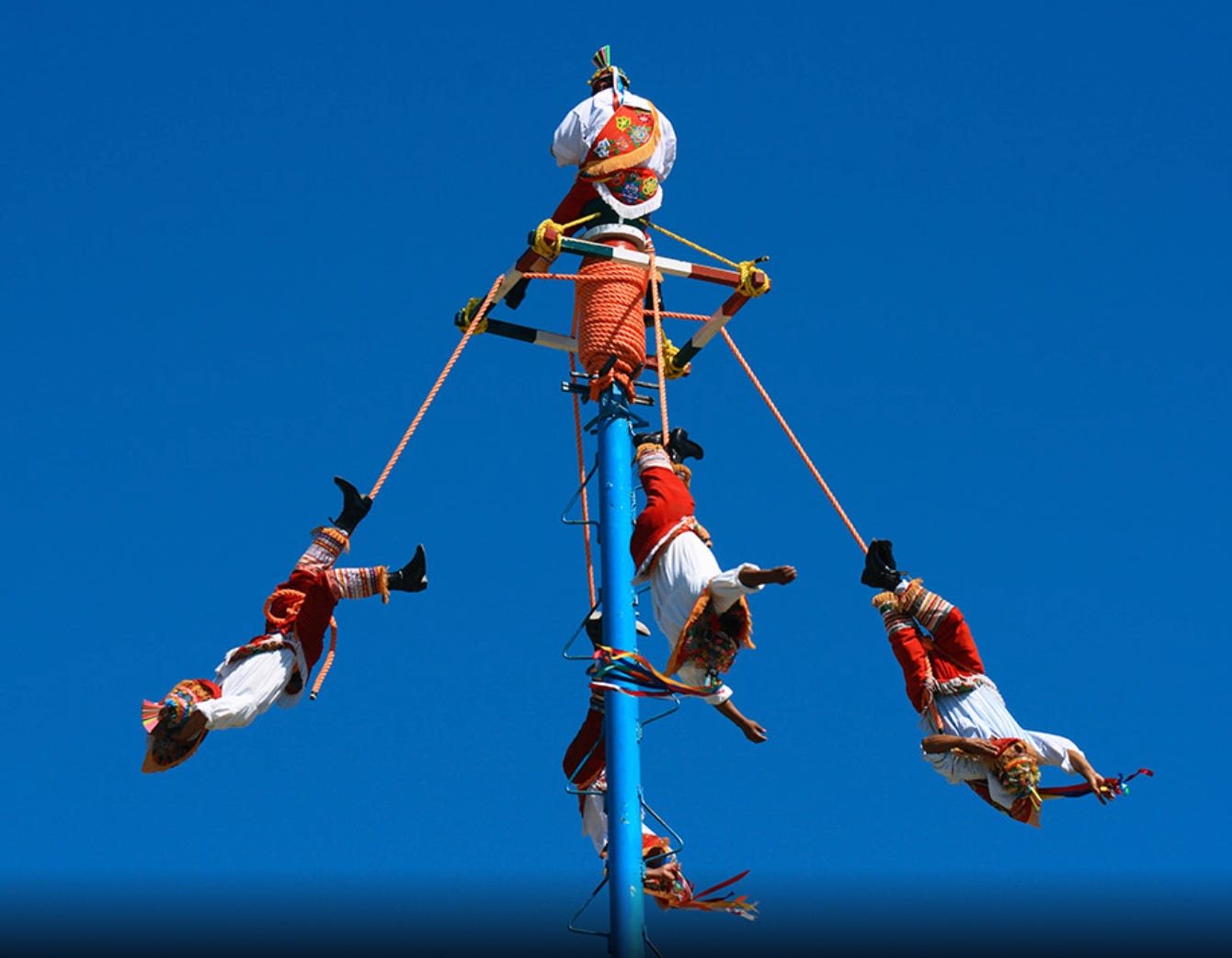
The dancers are four voladores and a caporal. The caporal stands on top of the pole, playing a flute and a small drum, while the four, tied by the waist, launch into the air. Yes, there have been crashes. Ana explained that it’s a fertility ritual with the voladores taking 13 turns each, twirling on their ropes. Why 13 twirls and 52 total, historians disagree.
Nobody told the voladores that they were performing that day. It was okay; I had a backup plan, as Ana said that they also fly once an hour at El Tajín, my destination for tomorrow.
So, with that non-event over, I was to pursue a precious liquid that was the regional specialty. Vanilla put Papantla on the map, and Papantla made vanilla a world trade. This was the first region in the world to grow vanilla for export. Real vanilla is the second most expensive spice after saffron, at a few hundred dollars per kilo. I was lucky to find the best in town after Javier’s friend Antonio helped with the groundwork.
After a few dead-end vendor visits, we hiked up an incredibly steep hill to a nondescript building, just as it began to rain. We stood outside the gate while my new friend yelled out for Mario. He soon appeared, unlocked the gate, and welcomed us to his lab- excuse me, ‘store’.
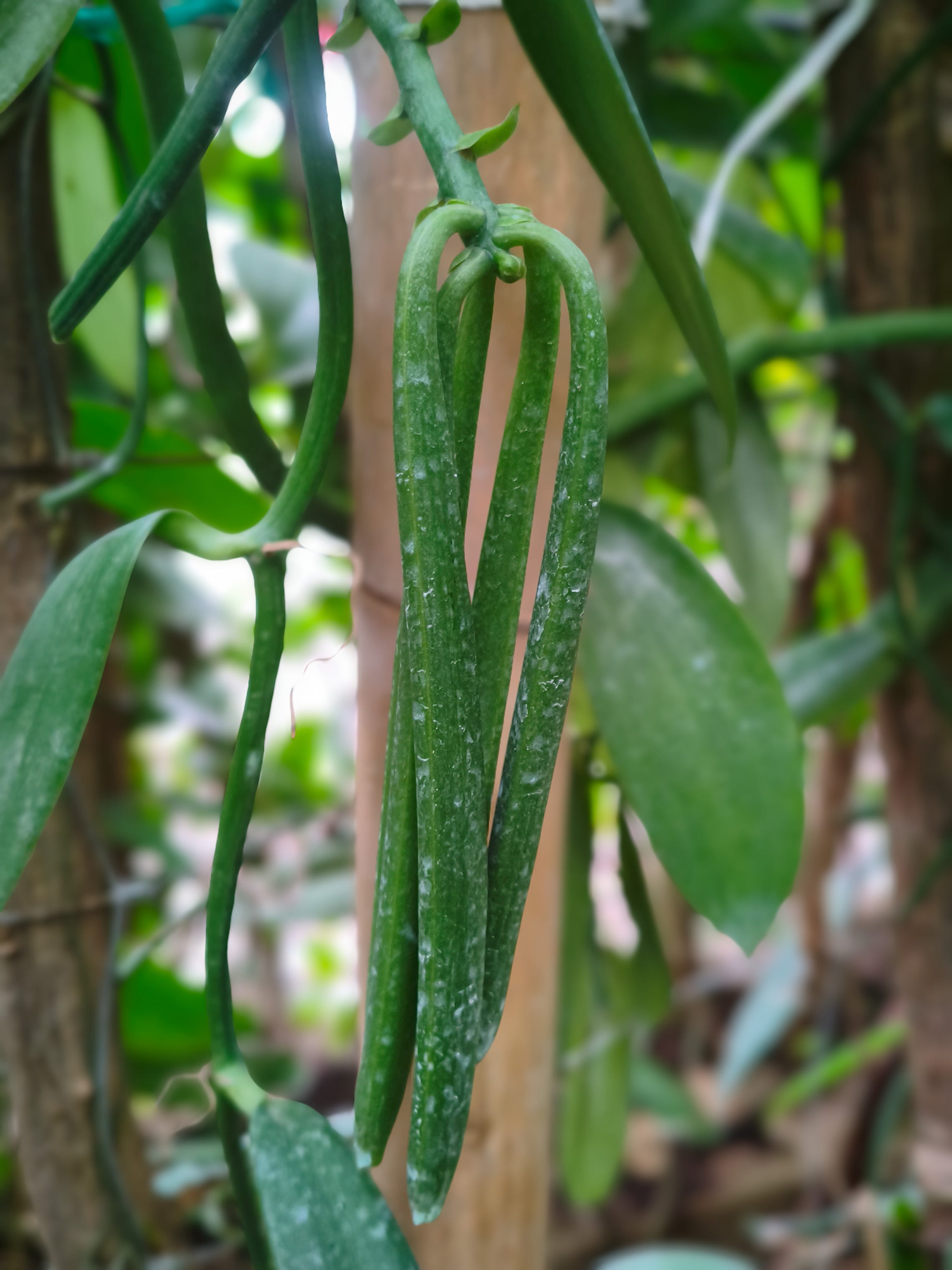
He buys the aged pods from local producers, and it was here that he packaged the pods and made liquid vanilla extract. The aged pods are black, oily, and sticky, and they smell like baking heaven. They start green, like raw coffee beans, and turn black as they are processed.
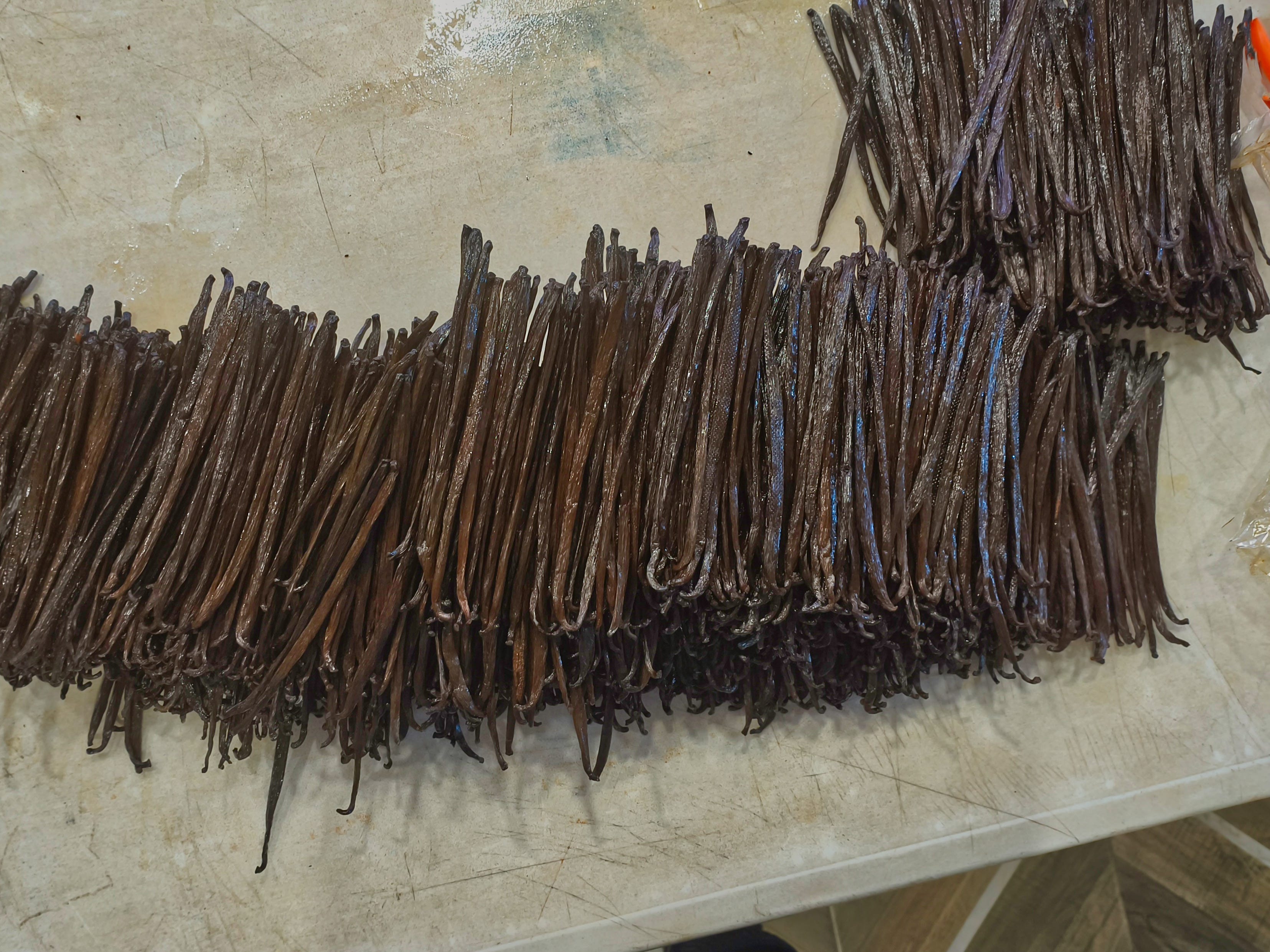
It was like being at the lab where they process coca leaves into cocaine, except it smelled like cookies here. They didn’t say, but with the high price of vanilla beans, they surely didn’t want many people knowing what was behind those closed doors.
Vanilla beans are turned into liquid vanilla by steeping and extracting the essence into a neutral alcohol, usually 40% ABV. Around the world, they use vodka, but here most likely it’s sugar cane alcohol. More on that later in the trip.
I bought six bottles, one liter in all, for 1,060 pesos—about US$55. At my favorite spice provider, Penzeys, the price is US$35 for a four-ounce bottle; the same volume that I purchased here would run about US$296.
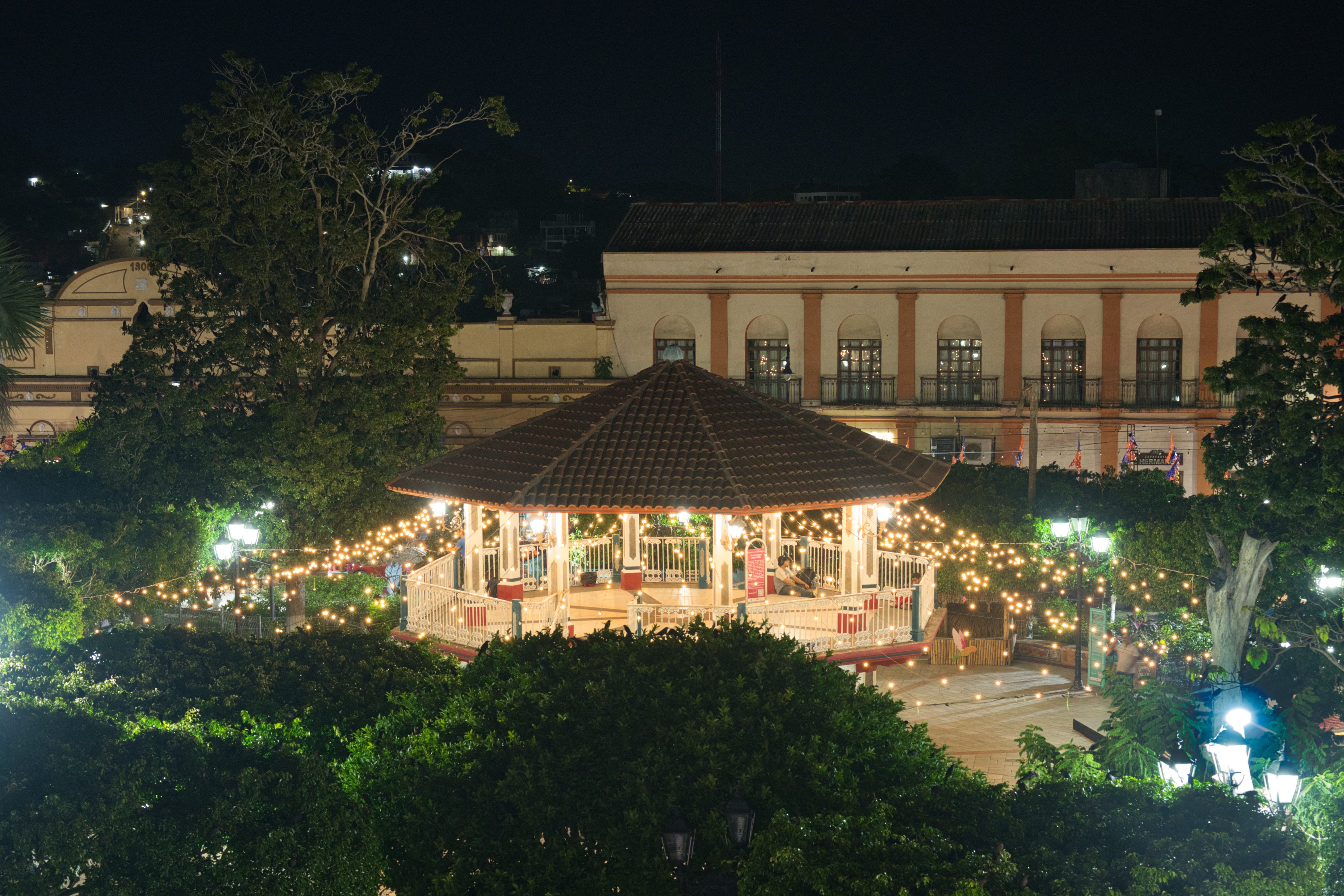
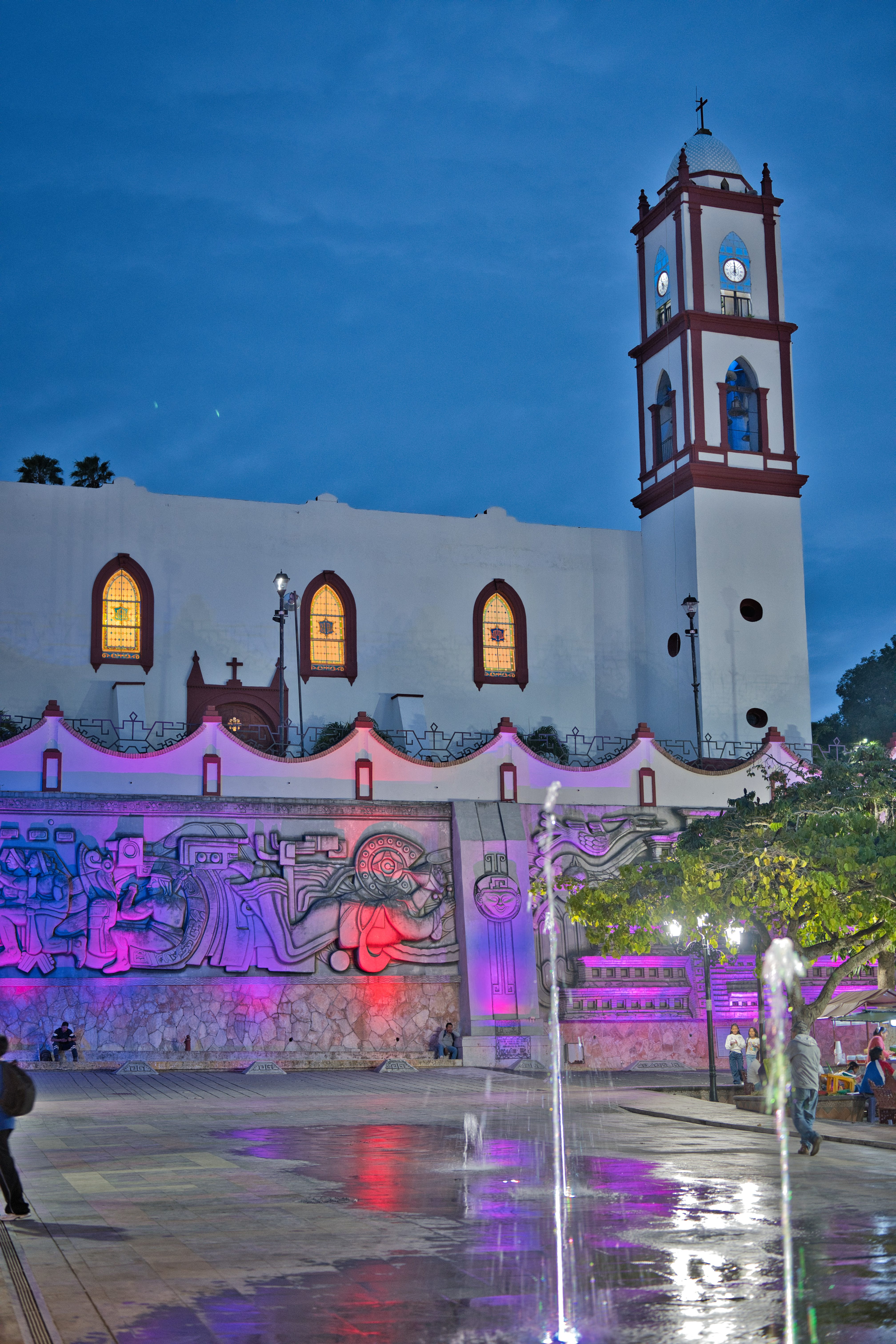
I ended the night at Javier’s recommended Posada La Plazuela, overlooking the town square.
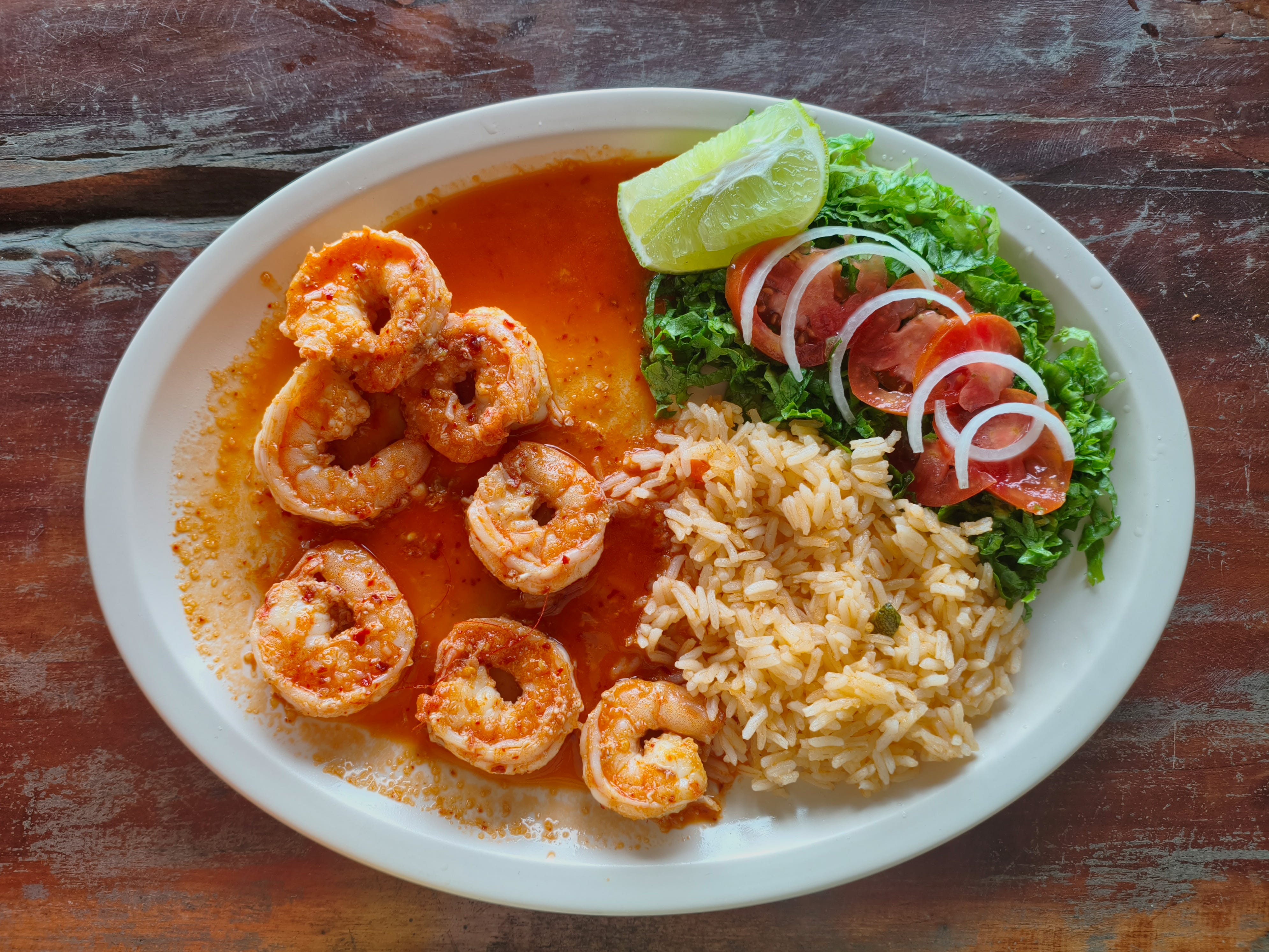
I ordered the camarones en salsa cremosa de chipotle y vainilla—shrimp in a creamy chipotle-and-vanilla sauce. A new taste for my buds, and a good one. When I get home, I’m making it. Come on over.
Tomorrow: the Totonacs and El Tajín

I would like to make a reservation for dinner when the shrimp dish is being served! And more stunning photos and commentary. Thanks for sharing all.
Always fascinating. Keep safe.